Dyson Reveals Water Seepage Behind Troubled $799 CameraJet Toothbrush Launch
 Emma Wheaton
30 Sep 2026
Emma Wheaton
30 Sep 2026
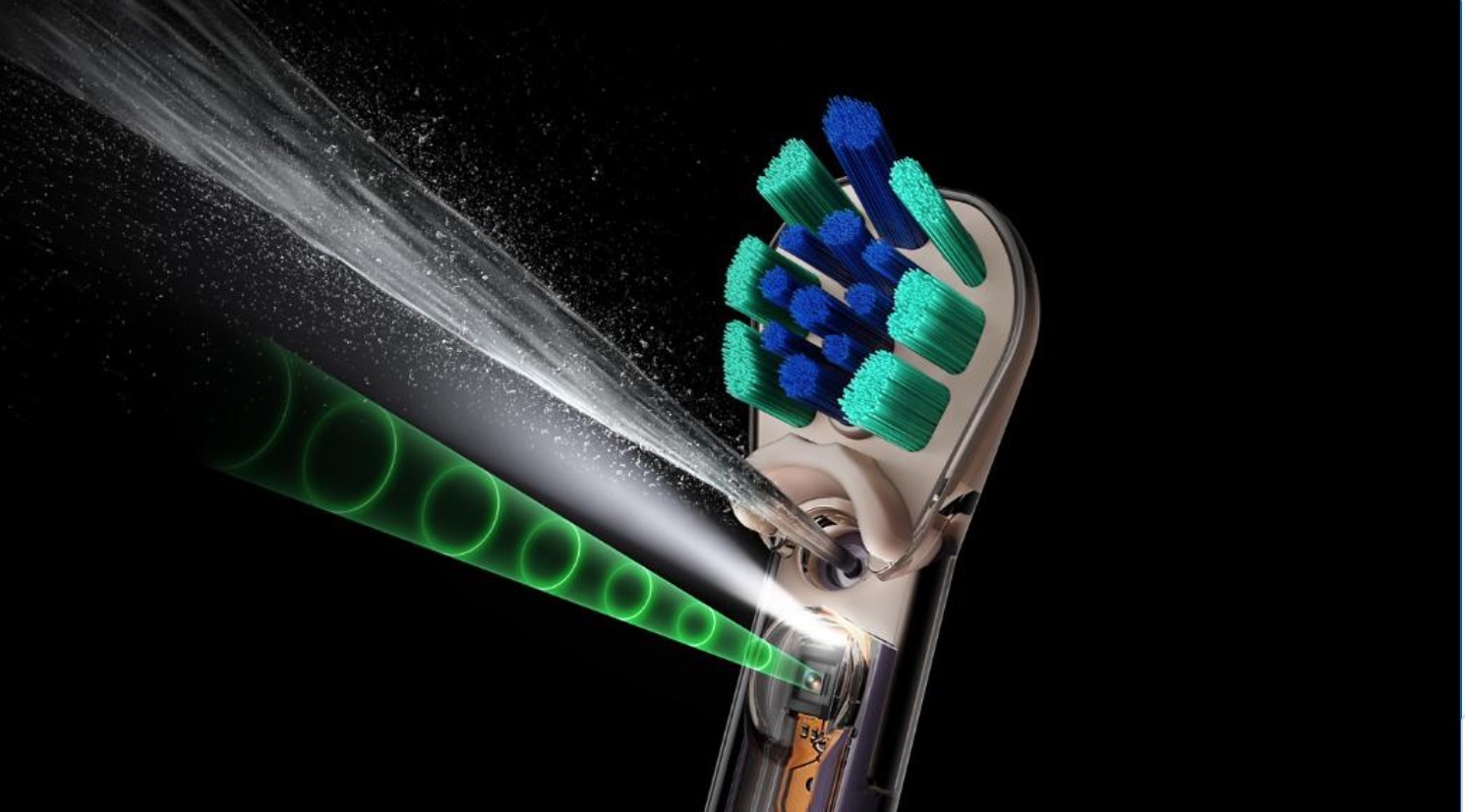
Dyson has blamed water seepage from a manufacturing problem for the troubled debut of its CameraJet toothbrush, saying a defect in one production batch caused a small number of devices to malfunction.
The disclosure, as reported by Bloomberg, comes less than a month after Dyson launched the camera-equipped electric toothbrush in Paris. The company said the affected batch involved the device’s jet tubes. Apparently a process issue created the potential for water to seep into the toothbrush, affecting its performance.
Dyson said it had isolated these products and was moving back into full production and shipping. The company apologised to customers who had been affected.
The explanation follows mounting reports from early owners of the expensive toothbrush that CameraJet units had stopped working after fairly short periods of use. Complaints included charging failures, malfunctioning jets and water appearing inside the device.
The A$799 toothbrush had gone on sale in Australia on September 2, but suspended sales of the product were reported on September 20 following similar complaints and reports of malfunction across several markets.
At the time, Dyson described the problem as a component issue affecting some early batches and said the action was not a formal recall.
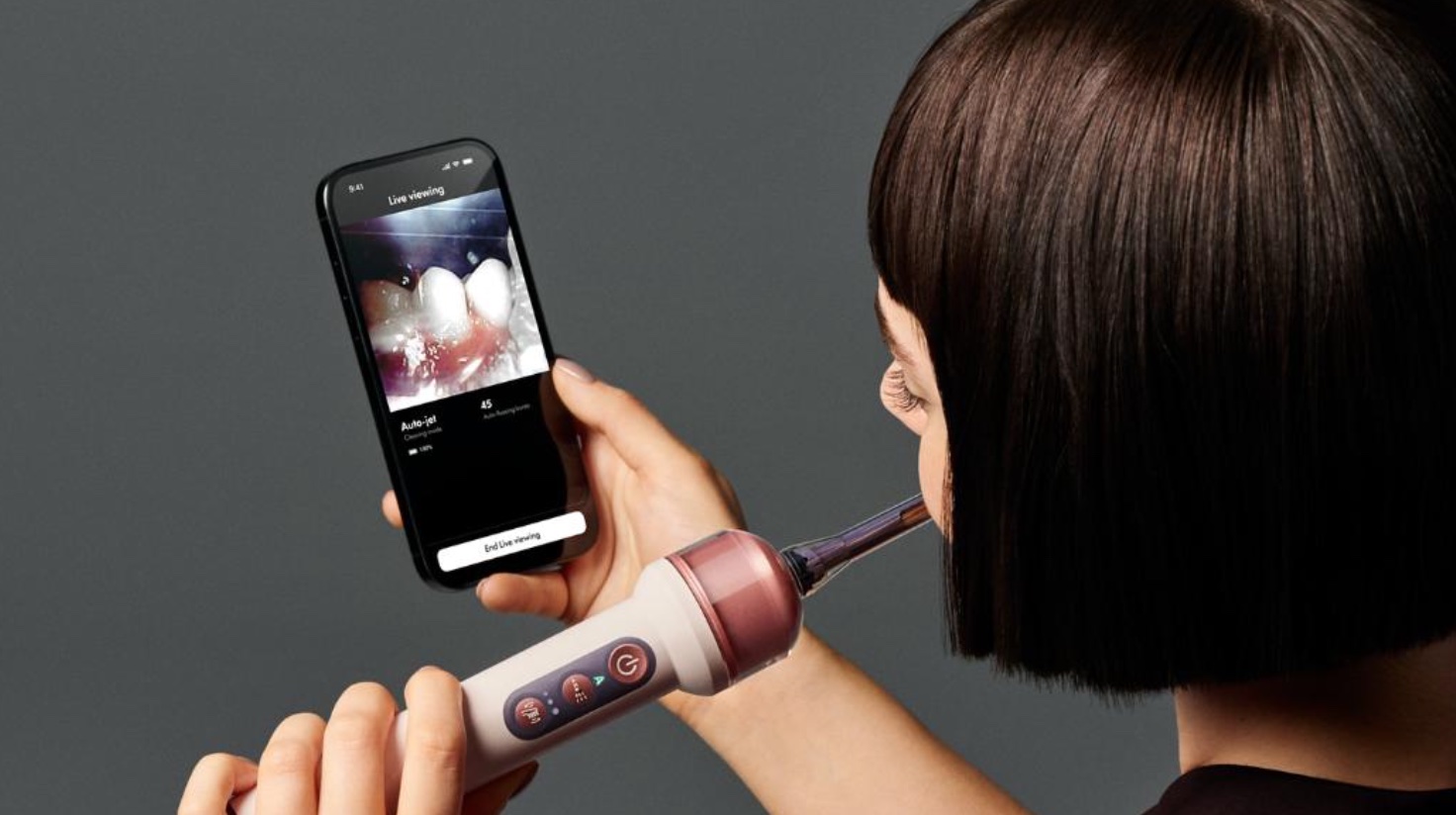
The latest explanation provides more detail about the cause of the failures, revealing that it was water seepage associated with the jet tubes causing the issues, rather than a broader problem with the toothbrush’s electronics.
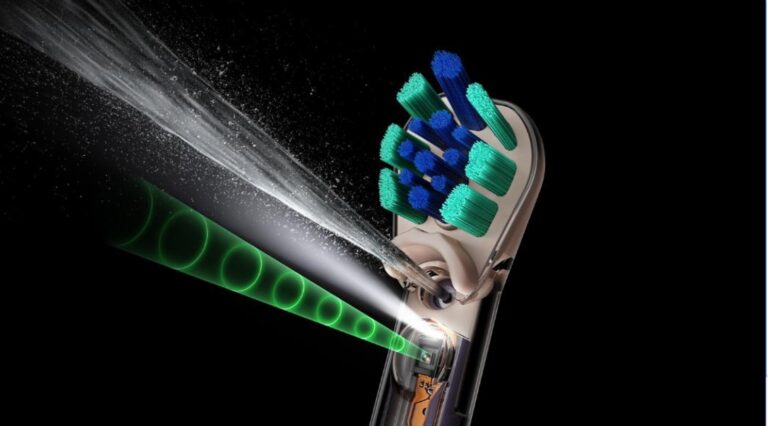
The CameraJet is one of Dyson’s most technologically ambitious products. It combines an electric toothbrush with a 100,000-pixel macro camera and an AI-powered system designed to identify gaps between teeth. When a gap is detected, the device automatically fires a targeted jet of liquid while the user brushes.
Dyson says the CameraJet was the result of six years of research and development. Its machine-learning system was trained using more than 470,000 dental images, while the camera captures 28 images per second to locate interdental gaps.
Its A$799 price tag puts it well above conventional premium electric toothbrushes.
The water-seepage issue is particularly significant because the CameraJet is designed to operate with liquid, using a pressurised jet to deliver mouthwash or water between teeth. Dyson’s own product specifications describe a diaphragm pump and conical jet designed to deliver liquid rapidly and precisely.
Dyson has not labelled the problem as a formal recall. Instead, it says it has isolated the affected production and resumed manufacturing and shipments.
Official recall or not, it’s a problem that has created a rocky launch for Dyson as it attempts to expand into high-tech oral care.