DHL Rolls Out Robot That Can Unload Trucks Twice as Fast as Humans
 Joe Gallop
24 Jun 2025
Joe Gallop
24 Jun 2025

Multinational logistics company DHL has begun deploying new robotic technology that automates unloading trucks in warehouses.
At the company’s Columbus, Ohio facility, a robot called Stretch, developed by Boston Dynamics, can unload around 580 cases an hour, which is nearly double the rate of a human worker.
Equipped with a vacuum arm and smart sensors, Stretch can lift boxes up to 23kg and navigate inside trailers with ease.
This innovation is part of a growing trend among logistics giants like DHL, UPS, FedEx and Walmart to automate the last remaining manual jobs in the warehouse.
Until now, loading and unloading trucks has resisted automation due to the complexity of package sizes, weights and configurations.
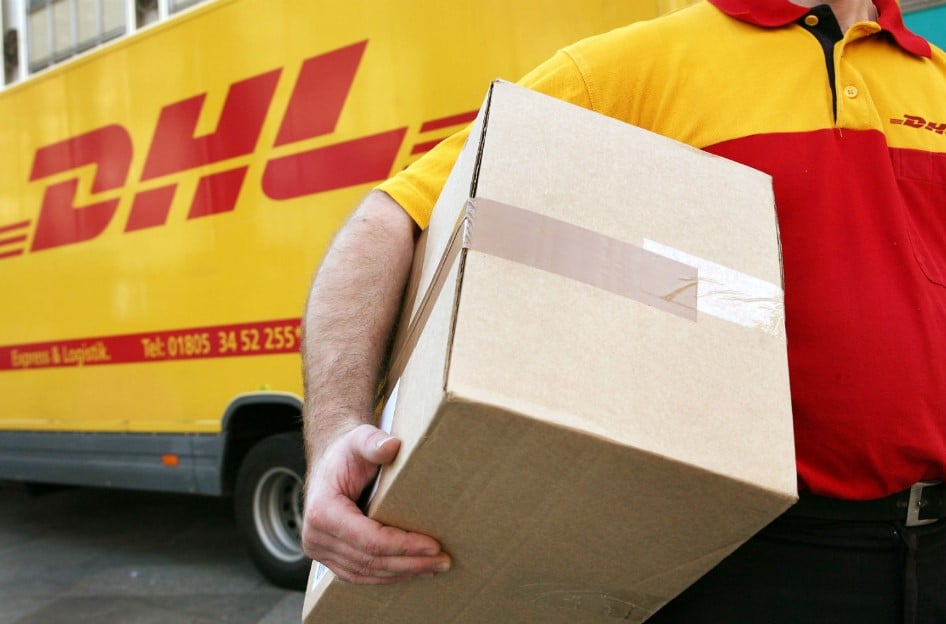
DHL has already trained nearly 100 staff to work alongside the robots and plans to deploy 1,000 more Stretch units after signing an agreement with Boston Dynamics in May.
Stretch isn’t alone in this space. Robotics company Ambi Robotics is also working on solutions with its AmbiStack system, which uses AI and a videogame-style simulator to teach robots how to stack and sort packages with varying weights and fragility. UPS and FedEx are also investing heavily in similar automation.
Despite the clear benefits including reduced injuries, faster unloading, and fewer damaged items, some warehouse workers have voiced concerns about job security.
While robots like Stretch can’t yet handle soft packages or certain thin boxes, the technology is advancing at a rapid pace.