David Jones Owner Denies Hilco Called In Insolvency Advisers As Pressure Mounts
 David Richards
29 Sep 2026
David Richards
29 Sep 2026
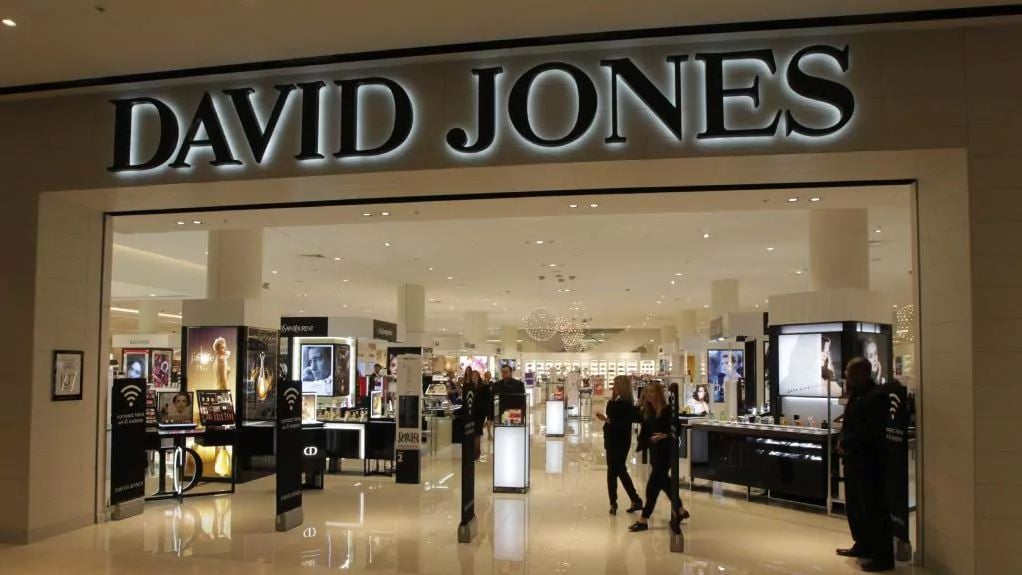
The ultimate owner of David Jones has categorically denied claims that lender Hilco Capital has appointed insolvency and restructuring firm McGrathNicol to advise on its exposure to the department store, as the retailer pushes back against reports questioning its financial position.
The Riley Street Group, described as the ultimate owner of David Jones and backed by Anchorage Capital Partners, has written to ChannelNews rejecting reports published last week by ChannelNews and other Australian media concerning Hilco and McGrathNicol.
Lawyers acting for the company claim there have been no meetings involving Hilco, its lawyers, McGrathNicol and David Jones landlords.
“There have been no meetings between any Hilco, its solicitors and McGrathNicol and any landlord of David Jones,” the correspondence states.
It further claims that “McGrathNicol and Hilco have each directly confirmed that McGrathNicol has not been engaged”, according to correspondence involving Corrs Chambers Westgarth.
The denial is significant because reports that a secured lender had brought restructuring specialists into the picture intensified scrutiny of David Jones’ financial position and the future of the business under Anchorage ownership.
David Jones is now arguing that those reports are not simply wrong but are damaging the retailer, its employees and suppliers.
David Jones Claims Reports Are Causing Harm
Lawyers acting for David Jones claim reports questioning the retailer’s financial position have caused “significant and irreparable harm”, including disruption to relationships with suppliers and trade credit insurers.
“The continued publication and dissemination of the false statements in the Article is causing, and continues to cause, significant and irreparable harm to David Jones, its thousands of employees and its suppliers,” the correspondence states.
“David Jones is a major Australian retailer, and the Article’s irresponsible and unjustifiable attack on the business’s financial standing risks causing enormous commercial disruption.”
The company is also rejecting suggestions that David Jones is insolvent or in breach of its financing obligations.
ChannelNews has not claimed that David Jones is in default of its obligations to Hilco.
The dispute over Hilco and McGrathNicol also does not resolve a separate issue hanging over David Jones: the state of its supplier relationships and working capital.
Reports throughout 2026 have raised questions about extended supplier payment periods, access to trade credit insurance and suppliers tightening the terms under which they will provide stock.
These issues are particularly important heading into the critical Christmas trading period.
Supplier Questions Remain
Earlier reporting indicated overdue supplier payments were averaging approximately 16 days, more than twice the industry norm.
ChannelNews has subsequently reported that some arrangements extended considerably further, with suppliers offered repayment schedules for outstanding invoices.
These specific supplier payment claims were not addressed in the legal correspondence provided to ChannelNews.
The ABC also reported this month that David Jones had experienced difficulties paying some suppliers and that Accent Group, whose retail brands include Platypus and The Athlete’s Foot, was supplying the department store only after being paid.
That creates an important distinction in the current dispute.
David Jones is categorically denying that Hilco appointed McGrathNicol and is rejecting suggestions that the company is insolvent or in breach of its financing obligations.
But questions surrounding supplier terms, trade credit insurance and working capital remain central to assessing the health of the retailer.
Losses Followed By Improved Trading
The scrutiny comes after David Jones reported a A$95.45 million pre-tax loss, widening from A$74.12 million in FY2024.
Sales fell approximately 8.7% to A$2 billion, while underlying earnings declined 13.2% to A$176.48 million.
David Jones subsequently reported a significant improvement in FY2026 year-to-date trading.
For the nine months to March, the retailer said sales increased 3.6% to A$1.59 billion and indicated a pre-tax profit of approximately A$15.46 million.
It also said EBITDA had increased 325%, although its initial announcement did not disclose the underlying EBITDA figure.
Anchorage maintains this improvement demonstrates that its transformation strategy is working.
“Anchorage is 100 per cent behind David Jones,” a company executive said.
The owner maintains it has recapitalised the retailer, substantially completed its transformation program and turned David Jones into what it describes as a “debt-lean” and more operationally efficient business.
It points to improving FY2026 sales, digital growth, refurbished stores and lower operating costs as evidence of the turnaround.
What Is Anchorage’s End Game?
The bigger question is increasingly what Anchorage ultimately intends to do with David Jones.
Private equity ownership normally requires an eventual exit, whether through a sale, refinancing, merger or potentially a public market transaction.
Achieving any conventional exit at an attractive valuation would be considerably easier if David Jones can demonstrate sustainable profitability, strong cash generation and normalised relationships with suppliers and insurers.
Its physical store network is already being rationalised, with stores closed or earmarked for closure and continuing industry speculation about further reductions.
That makes the Christmas 2026 trading period particularly important.
If David Jones can secure adequate inventory, maintain normal supplier relationships and translate its claimed FY2026 earnings improvement into cash, Anchorage will have considerably stronger evidence that its turnaround is succeeding.
What remains unclear is the complete financial structure sitting behind the retailer.
There is limited public information detailing how much equity Anchorage has invested in David Jones compared with asset-backed financing, the precise security held by Hilco over inventory and other assets, current creditor days, or whether Anchorage has received management fees, distributions or other payments since acquiring the business.
Disclosure of those numbers would provide a much clearer picture of where the financial risk ultimately sits between Anchorage, Hilco and David Jones’ suppliers.
For now, however, David Jones and its owners are unequivocal on one critical point: they say Hilco has not appointed McGrathNicol to advise on its position and claims suggesting otherwise are false.