Insta360 Could Be Working On AI Smart Glasses With An Unusual Design
 Dominic Bayley
28 Sep 2026
Dominic Bayley
28 Sep 2026
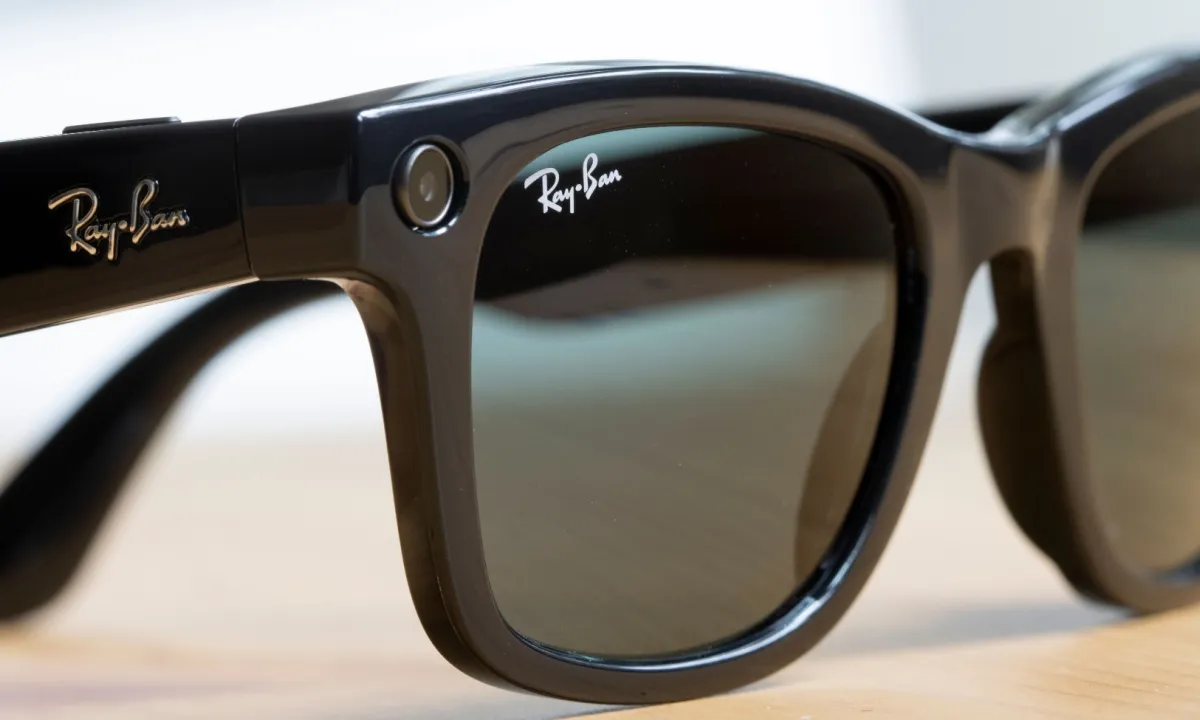
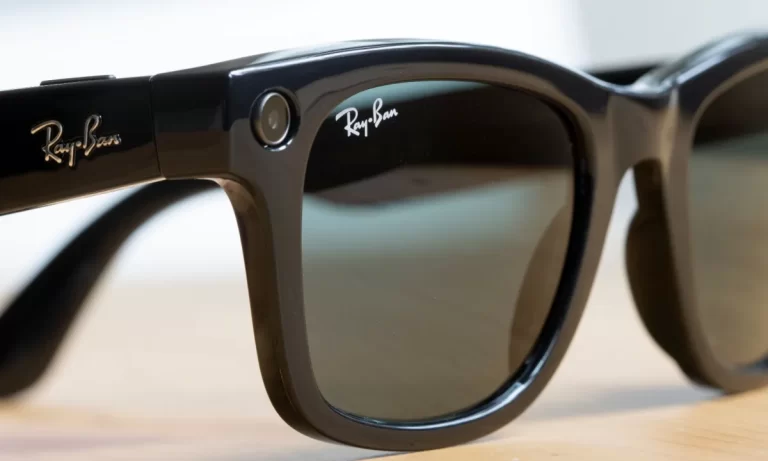
Insta360 could be preparing to take on the growing smart glasses market.
According to a new report from China citing sources close to the company, Insta360 is developing a pair of AI-powered smart glasses. Details remain scarce, but an existing Insta360 patent for “wearable glasses” offers one possible clue about how the company could approach the category.
The patent describes smart glasses without a battery built into the frames. Instead, the battery would be housed separately and worn elsewhere on the user’s body, with a cable connecting it to the glasses.
It’s an unusual solution, but one with an obvious advantage: weight.
Moving the battery away from the frame could make the glasses considerably lighter around the nose and ears, potentially making them more comfortable during long recording sessions. The downside, of course, is having to deal with a cable running from the glasses to the external battery.
The approach could also allow Insta360 to make its smart glasses look and feel more like conventional eyewear, rather than packing a large battery and other electronics into bulky frames.
There’s no guarantee Insta360 will actually use this design, however. Patents frequently cover ideas that never make it into commercial products, and the report doesn’t establish whether the company’s rumored smart glasses will use an external battery.
What appears clearer is where Insta360 could see an opportunity.
The company has built its reputation around cameras designed to capture footage in ways that smartphones and traditional cameras often can’t. It has also been expanding beyond its core action and 360-degree camera businesses, including opening a flagship store in Times Square and experimenting with new imaging technologies and AI-powered software.
That makes smart glasses a potentially natural extension of Insta360’s existing products, particularly if the company focuses on hands-free video capture.
Insta360 co-founder Max Richter has previously suggested that this would be the priority if the company entered the category. Rather than building another pair of glasses primarily around a voice-controlled AI assistant, Richter indicated that Insta360 would focus on convenient, high-quality hands-free recording.
That could give the company a different angle from many existing smart glasses. Instead of treating the camera as one feature among many, Insta360 could make image and video capture the main attraction.
For creators who regularly reach for a smartphone, action camera, or wearable camera to record their surroundings, a lightweight pair of glasses capable of capturing high-quality footage from the wearer’s perspective could be particularly compelling.
Whether Insta360’s unusual external-battery patent becomes part of that product remains to be seen. But if the latest report is accurate, the company may soon have another type of camera competing for space on your face.