Court Rules Google’s Online Search Monopoly Is Illegal
 Varun Godinho
06 Aug 2024
Varun Godinho
06 Aug 2024
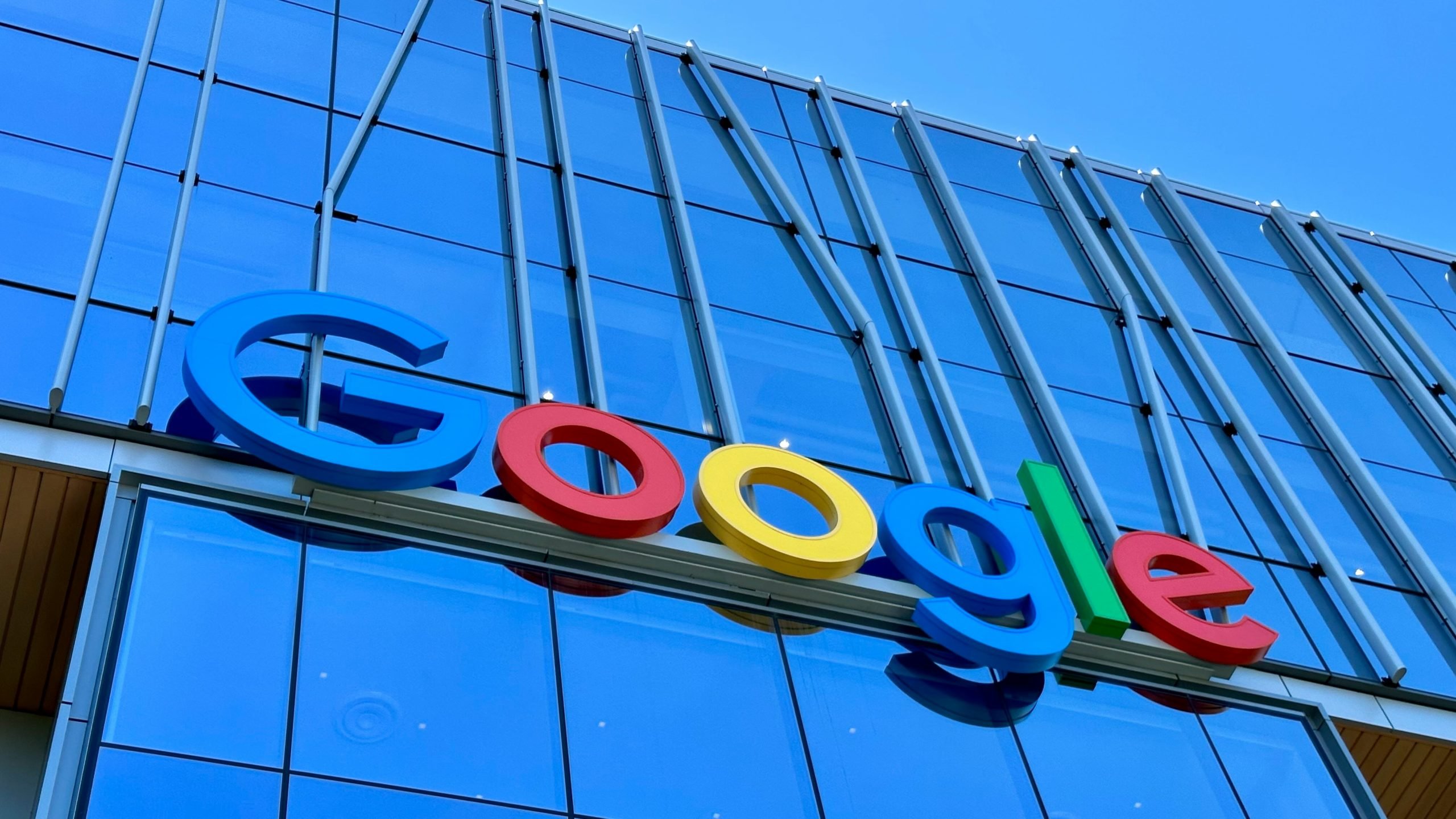
In a landmark decision that some are predicting could lead to a breakup of one of the world’s biggest tech companies, a US judge has ruled that Google illegally monopolized the search market through exclusive deals to crush its rivals.
Following a 10-week trial in federal court in an antitrust litigation brought against Google by the Justice Department and a group of states, Judge Amit Mehta in Washington ruled this week that Google was a monopolist.
“Google is a monopolist, and it has acted as one to maintain its monopoly,” Judge Mehta wrote in his 277-page opinion.
The government contended that Google has paid Apple, Samsung, and others billions over decades for prime placement on smartphones and web browsers.
Google already admitted to paying $26.3 billion (A$40.22 billion) to other companies to ensure that its search engine was the default on web browsers and mobile phones in 2021.
Its tactics have led to it capturing a reported 90 per cent of the search market as well as more than $300 billion (A$458.83 billion) in annual revenue largely generated by search ads
This practice, the judge noted, effectively blocks any other competitor from succeeding in the market.
“The trial evidence firmly established that Google’s monopoly power, maintained by the exclusive distribution agreements, has enabled Google to increase text ads prices without any meaningful competitive constraint,” he wrote.
Mehta has scheduled a hearing next month to discuss the timing for a separate remedy trial. What that remedy could look like isn’t yet clear.
The government has pushed for “structural relief” – which could possibly mean the breakup of the company. If that is the route the government pushes for, it could end up being the biggest forced breakup of a US company since AT&T was dismantled in 1984.

The ruling comes as a wake-up call to other Big Tech companies. Federal antitrust regulators have filed other pending lawsuits against Meta Platforms, which owns Facebook, Amazon and Apple accusing them of operating unlawful monopolies.
In a reaction to this week’s ruling against Google, US Attorney General Merrick Garland said, “This victory against Google is a historic win for the American people. No company – no matter how large or influential – is above the law. The Justice Department will continue to vigorously enforce the antitrust laws.”
Google, expectedly, positioned the latest ruling differently. “This decision recognises that Google offers the best search engine, but concludes that we shouldn’t be allowed to make it easily available,” it said in a statement.
What pans out next for Google will be keenly watched in Australia too. Recently, as ChannelNews reported, following an intervention by Australia’s top consumer protection regulator, two major telecom companies – Telstra and Optus – agreed that they will no longer have exclusive agreements with Google Search to have the service pre-installed as the default search engine on Android devices that they sell.
The Australian Competition and Consumer Commission (ACCC) became aware of agreements that Google initiated and entered into with Telstra and Optus that limited the ability for rival search engines to be pre-installed and promoted on Android devices, in return for a share of Google’s advertising revenue.
Google’s agreements with Telstra and Optus were in place since at least 2017, and expired on June 20, 2024. The two telcos agreed not to renew or enter any new arrangements with Google that require its search services to be pre-installed and set as the default search function on an exclusive basis on the devices they supply.