Control4 Owner Smashed As $955M Loss Exposes Growing Crisis, Australian Dealers Under Pressure
 David Richards
16 Nov 2026
The owner of Control4 and Snap One is facing a deepening financial crisis after its share price plunged almost 50%, with a massive A$955 million loss raising serious questions about the future of its smart home brands and the financial exposure of Australian custom installation dealers.
ADI Global Distribution, which controls Control4, Snap One and a portfolio of premium home automation, networking and security brands, has been forced to slash its earnings outlook after admitting that its residential technology business is performing significantly below expectations.
The problems are particularly concerning for Australia’s already struggling custom installation industry, where residential construction pressures, cancelled projects and the collapse of several installation businesses have raised questions about unpaid debts, supplier credit arrangements and the financial health of specialist dealers.
At the centre of ADI’s problems is its Exclusive Brands division, which includes Control4, Araknis Networks, Episode, Binary, SunBrite, Access Networks, Luma and OvrC.
These are brands that Australian custom installers have relied on for years to deliver integrated home automation, entertainment, networking and security systems in premium residential properties.
Now the financial performance of the division is under scrutiny, with ADI admitting that demand deteriorated sharply during the third quarter and continued to weaken into October.
ADI president and chief executive Rob Aarnes acknowledged that the company had fallen well short of expectations.
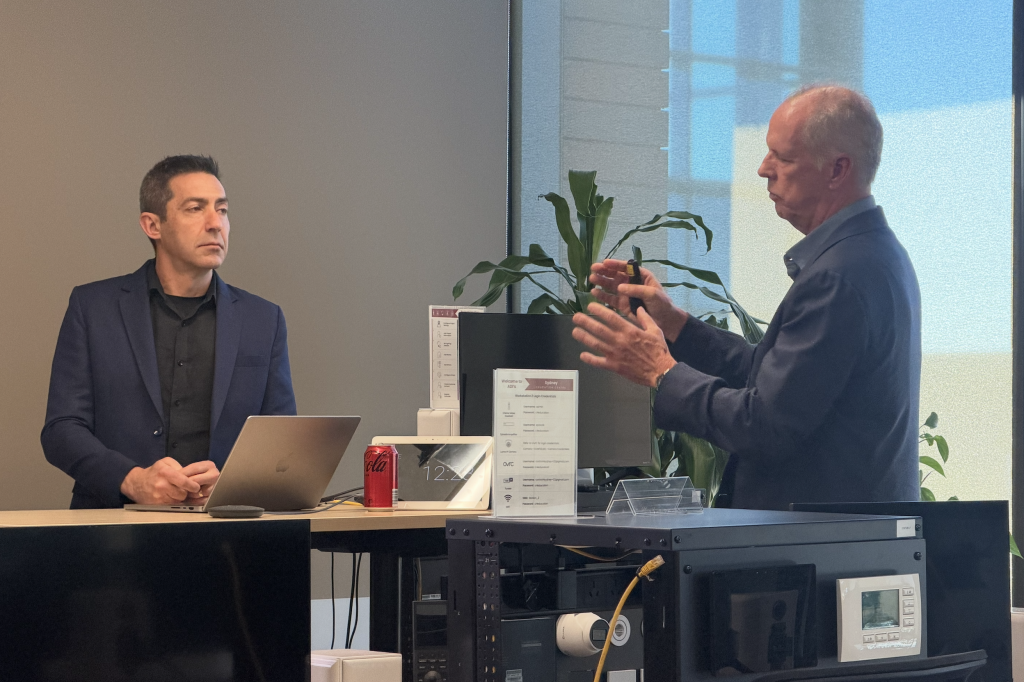
Adam Merlino the local CEO of Snap One and Control 4 seen left.
Adam Merlino the local CEO of Snap One and Control 4 who is also Vice President Asia Pacific has not commented on the local market.
“Third-quarter profitability was below our expectations, primarily reflecting a continued challenging residential market and weaker-than-anticipated demand and product mix in our Exclusive Brands offering,” he said.
He also acknowledged that a greater proportion of lower-margin commercial sales had damaged profitability.
The company has now lowered its full-year outlook, warning of further weakness in its Exclusive Brands business during the fourth quarter.
Australian Dealers Face Growing Financial Pressure
For Australian Control4 and Snap One dealers, the problems come at a particularly difficult time.
Australia’s residential construction industry remains under pressure from high building costs, labour shortages, financing constraints and weak profitability, with custom installers exposed to delays and cancellations involving new homes and major renovations.
While large infrastructure and commercial projects continue to provide opportunities for suppliers, the residential market that supports premium home automation businesses remains vulnerable.
This is particularly significant for Control4, whose products are commonly specified for expensive homes requiring integrated lighting, security, audio, entertainment and networking systems.
When a multimillion-dollar residential project is delayed, cancelled or placed on hold, the impact can flow directly through to custom installers and their technology suppliers.
In Australia, Snap One has also been exposed to the financial failure of specialist installation businesses.
Industry concerns have been raised about the financial impact of businesses associated with The Lifestyle Store and Theatre At Home, including whether outstanding supplier accounts resulted in significant losses for Snap One’s Australian operation.
What remains unanswered is how much money Snap One Asia Pacific has written off following the collapse of Australian custom installation businesses, and whether additional dealer failures could expose the company to further losses.
There are also questions about whether ADI has tightened trading terms, reduced credit limits or restricted stock supply to Australian dealers following these failures.
Any such changes could have significant consequences for smaller installers that depend on supplier credit to finance equipment purchases before residential projects are completed and customers make final payments.
Adam Merlino, Snap One’s Asia Pacific vice-president and senior Australian executive, has not publicly addressed these specific concerns in the information available.
The extent of the Australian operation’s exposure remains unclear.
Control4 Problems Go Beyond Falling Sales
ADI’s financial difficulties are also emerging against a backdrop of dealer dissatisfaction over product development, technical support and changes to the Control4 business model.
The company has already reduced costs through layoffs and cuts to research and development expenditure.
There have also been claims that long-serving Control4 engineering, product development and customer support employees have been terminated, raising concerns about the company’s ability to maintain the technical expertise required to support complex home automation installations.
Some former employees and industry sources have alleged that newer systems have suffered from software bugs and reliability problems.
Those allegations have not been independently substantiated, but they raise questions about whether further cost reductions could affect product quality and dealer support.
For Australian installers, reliable technical support is critical.
Unlike conventional consumer electronics products, integrated home automation systems frequently require specialist programming, commissioning and ongoing maintenance.
When software problems emerge, installers can be forced to return to customer properties at their own expense, placing further pressure on already thin margins.
Control4 dealers have also previously expressed anger over the introduction of the compulsory Control4 Connect subscription in 2024.
The changes triggered complaints in dealer forums and Control4 social media groups, with installers questioning the implications for customers and their businesses.
ADI now faces the challenge of rebuilding confidence in its residential technology brands while simultaneously cutting costs and attempting to restore profitability.
Massive Write-Off Rocks ADI
The scale of ADI’s financial problems became apparent when the company reported a loss equivalent to approximately A$955 million, including a substantial goodwill impairment.
A goodwill write-down is a non-cash accounting charge reflecting a reduction in the assessed value of previously acquired businesses.
It does not mean the company lost that amount in cash during the quarter, but it raises serious questions about the value of acquisitions and the future earnings potential of the businesses involved.
ADI’s portfolio expanded through acquisitions, including Snap One, bringing together numerous home automation, security, networking and entertainment brands.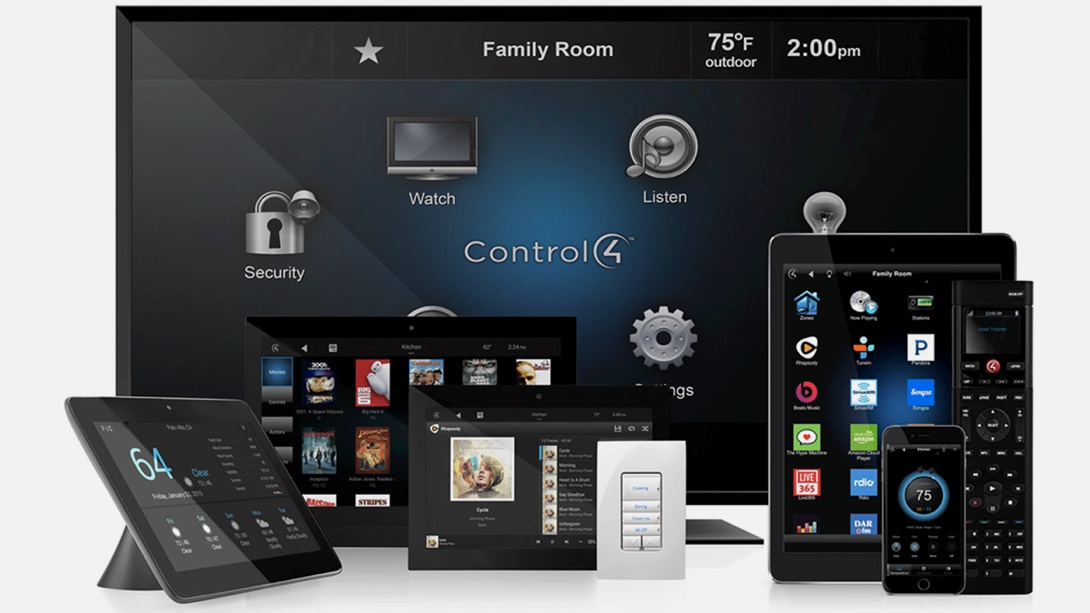
The company reported third-quarter revenue of US$1.31 billion, an increase of 8.6% from approximately US$1.2 billion a year earlier.
However, the revenue increase was helped by additional selling days, while weakness in residential audio-visual products undermined profitability.
Gross margin fell from 22.6% to 20.9%, a deterioration of 170 basis points.
For a major international distributor operating on relatively modest margins, that decline is significant.
At the same time, selling, general and administrative expenses increased by approximately US$12 million.
The company has attempted to offset the pressure through workforce reductions, including cuts affecting research and development.
Aarnes said management was continuing to look for ways to reduce expenditure and align operating costs with weaker demand.
That raises another question for Australian dealers: whether further global cost reductions will affect local inventory, technical support, warranty handling and product development.
Can Commercial Sales Rescue Control4?
ADI is now examining opportunities to push more of its Exclusive Brands portfolio into commercial and national project accounts, where it already has established customer relationships.
The strategy could provide an additional sales channel for products traditionally associated with premium residential installations.
However, it also highlights the company’s difficulties in its core residential automation market.
ADI’s wider distribution operation serves commercial security, fire and life safety, professional audio-visual and data communications markets.
Those operations have continued to generate sales, but a greater contribution from lower-margin national accounts has created additional profitability pressure.
Management has forecast full-year revenue of US$4.91 billion to US$4.93 billion, below the US$4.97 billion analyst consensus cited in the company’s earnings coverage.
The reduction comes as investors question the outlook for the Exclusive Brands division and the return ADI can generate from its acquired businesses.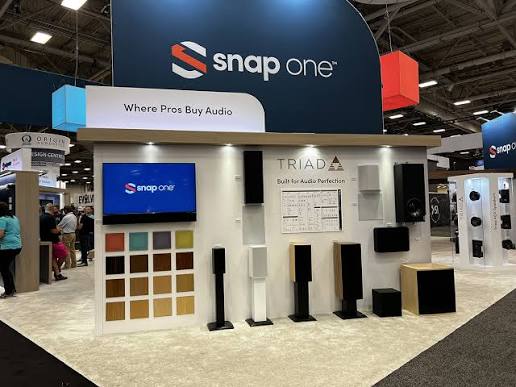
Australian Operation Faces Unanswered Questions
For Australia’s custom installation industry, the financial problems at ADI could have consequences beyond the company’s share price.
Control4 systems are installed in residential properties across the country, with homeowners dependent on authorised dealers for programming, maintenance, upgrades and integration with other connected devices.
Dealers also depend on the manufacturer and distributor for replacement equipment, software updates, product warranties and ongoing technical support.
Any deterioration in those services could affect existing customers as well as new installations.
The immediate questions are whether Snap One’s Australian operation has suffered substantial losses from failed dealers, whether its credit exposure is increasing and whether management is preparing further changes to local operations.
There is also the issue of whether ADI’s global cost-cutting program will affect Australian staffing, dealer support and the availability of Control4 and other Exclusive Brands products.
ADI has not provided a detailed public breakdown in the supplied material of the financial performance or bad-debt exposure of its Australian Snap One operation.
For local dealers already dealing with a difficult residential construction market, that lack of visibility adds another layer of uncertainty.
ADI’s challenge is no longer simply to convince investors that it can restore margins. It must also demonstrate to Australian dealers and customers that the brands they have invested in will continue to receive the product development, technical support and financial backing required to remain competitive.
With residential demand weakening, margins falling and the company looking for further cost reductions, those questions are becoming increasingly important for Australia’s premium home automation industry.