Consumers Give CHOICE Their Own Shonky Award
 David Richards
30 Nov 2025
David Richards
30 Nov 2025
When Choice labelled a Smeg refrigerator as the worst they had ever reviewed, it later emerged that the organisation’s own technicians had placed the temperature sensors incorrectly.
This error led to inaccurate test results for one of Italy’s top-selling fridges.
Despite discovering the mistake, Choice did not widely publicise their testing failure.
Consumers, however, appear to have formed their own opinion. The retro-styled Smeg model remains a strong seller, suggesting the public was not convinced by Choice’s original criticism.
At the time, Choice accused the fridge of having poor temperature stability, even though it featured a distinctive 1950s design.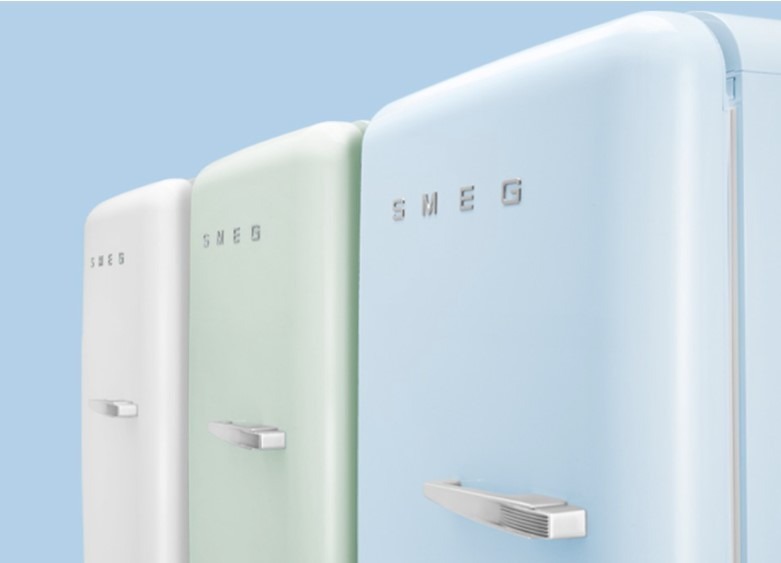
When Choice’s reviewers later visited Smeg Australia, they learned that their own temperature probes had been placed in the wrong position.
A follow-up assessment by engineers bought in by Smeg cleared the refrigerator of any consumer safety or performance issues.
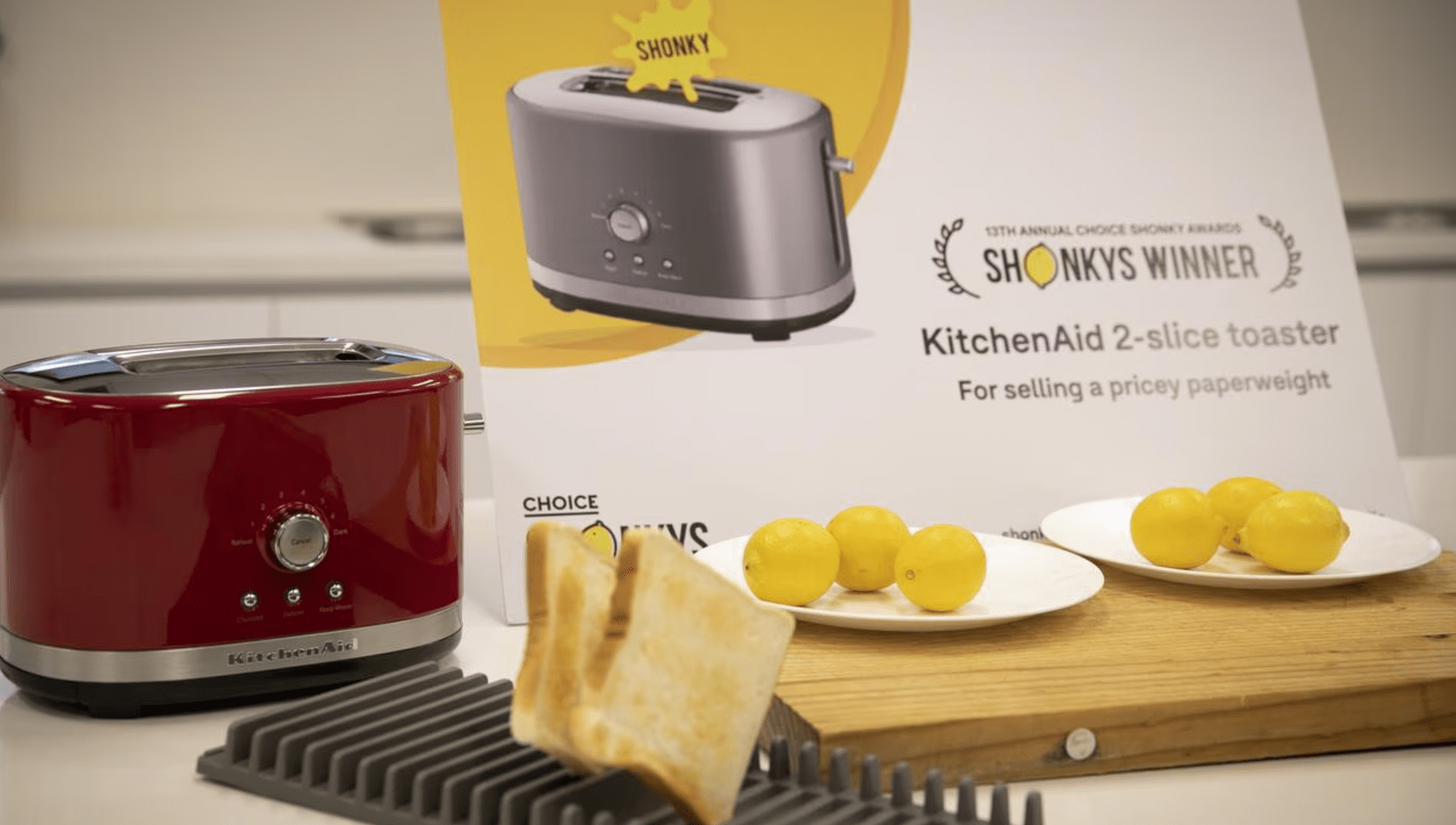
This was not the first time Australians seemed to ignore Choice’s warnings. In 2006, Apple received a “Shonky Award” from the organisation, yet local consumers continued to buy millions of iPhones and other Apple products.
In 2016, Choice investigative journalist Gemma Castle incorrectly claimed that a Samsung washing machine caused a house fire in New South Wales.
In reality, NSW Fire and Rescue confirmed the fire was started by a different brand.
A simple check with the agency before publishing the story would have revealed the error.
Castle left Choice months later and now works as a policy advisor for the NSW Department of Climate Change, Energy, the Environment and Water.
Choice maintains that it is funded solely by membership fees and donations, receiving no government or corporate money. Still, a visit to the review platform Trustpilot shows that some consumers strongly disagree with the organisation’s methods, opinions, or customer service.
The group was recently criticised for its negative claims about Temu, an online marketplace used by millions of Australians. One reviewer, Aoudrious Pouicha, posted under the headline “Choice Is a Misinformation Company”:
“I’m not sure how they concluded that Temu’s refund policy is difficult or that their customer service is terrible. As a regular Temu customer, if I don’t like something they always pay for the return shipping. I get my refund within a week every time. I’ve never had an issue.
Custom items can take longer—up to three weeks—but normal purchases are refunded within two. I get the feeling big companies in Australia are influencing Choice. Why don’t you stop lying?”
Another reviewer wrote about an “endless loop” of login problems, password resets, and no customer service response.
A user named Brenda added:
“They claim to help members. They don’t. They claim to refund cancelled subscriptions. Total lies. I do not recommend dealing with these rogues.”
However, not all feedback is negative. One long-time subscriber named Dan wrote:
“I’ve been a subscriber for decades. In a world of scams and fake reviews, Choice has always been honest, methodical, scientific, and unbiased.”
Another subscriber criticised the digital interface, describing the website experience as “a scrolling mess.”
Studies show negative reviews can have disproportionate influence on consumer decisions — especially if review-ordering or platform algorithms prioritise “newest first,” which may mean a single bad review colours the perception of a product or service for a long time.
Because of biases (negativity bias, self-selection, fake or incentivised reviews), review-aggregators and rating platforms may mislead consumers if taken at face value.
That can harm both consumers (making poor purchasing decisions) and honest businesses (who may get penalised for outlier bad experiences or fake/biased reviews).
In the case of the Smeg review it did initially have an impact on consumers opinions but despite the Choice review Smeg is still one of Australia’s premium appliance brands.