Claims Sennheiser & Bose Headphones Contain Toxic Chemicals
 David Richards
20 Feb 2026
David Richards
20 Feb 2026
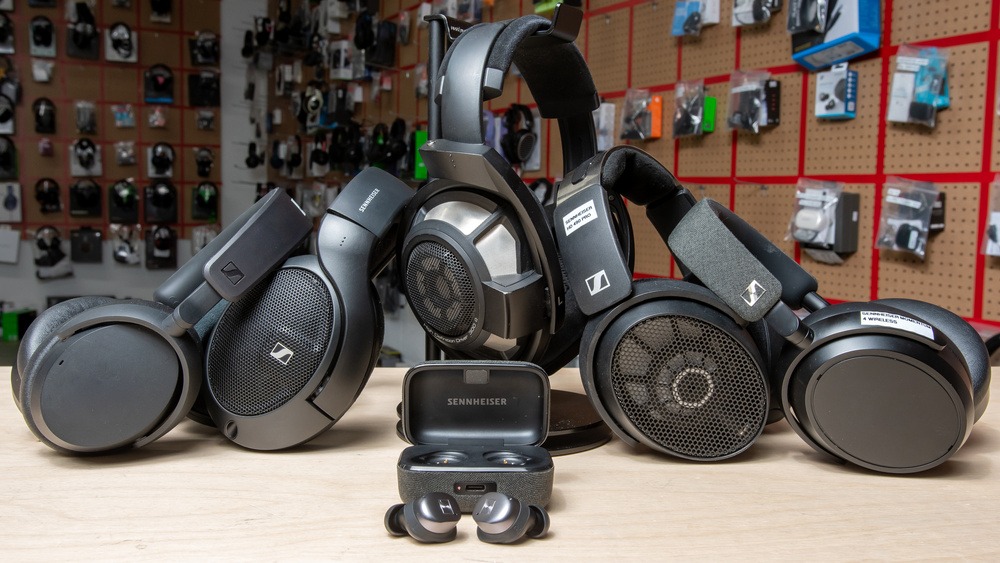
An investigation has uncovered alarming levels of potentially toxic chemicals in popular headphones, including models from major global brands such as Sennheiser and Bose, raising fresh concerns about consumer safety and supply chain transparency.
Laboratory testing of 81 headphone models found that every single pair contained detectable levels of hazardous chemicals, including bisphenol A (BPA) and bisphenol S (BPS) — substances known as endocrine disruptors and linked to cancer, liver damage, and developmental disorders.
The findings, revealed by the ToxFREE LIFE for All project — a partnership of civil society groups in Central Europe — suggest that millions of consumers worldwide, including tens of thousands in Australia, could be exposed through daily use.
Toxic chemicals in 98% of products tested.
Scientists found BPA in 98% of the headphone samples and BPS in more than three-quarters. These chemicals are widely used as plastic additives to improve durability and flexibility but are known to mimic human hormones and interfere with the body’s endocrine system.
“Daily use — especially during exercise when heat and sweat are present — accelerates this migration directly to the skin,” said one chemical expert involved in the study.
The risk is compounded by the way headphones are worn. Over-ear and in-ear models maintain prolonged contact with the skin, often for hours at a time during workouts, long commutes or flights. Researchers warn that sweat and elevated body temperature may increase the migration of chemicals from plastic components into the skin.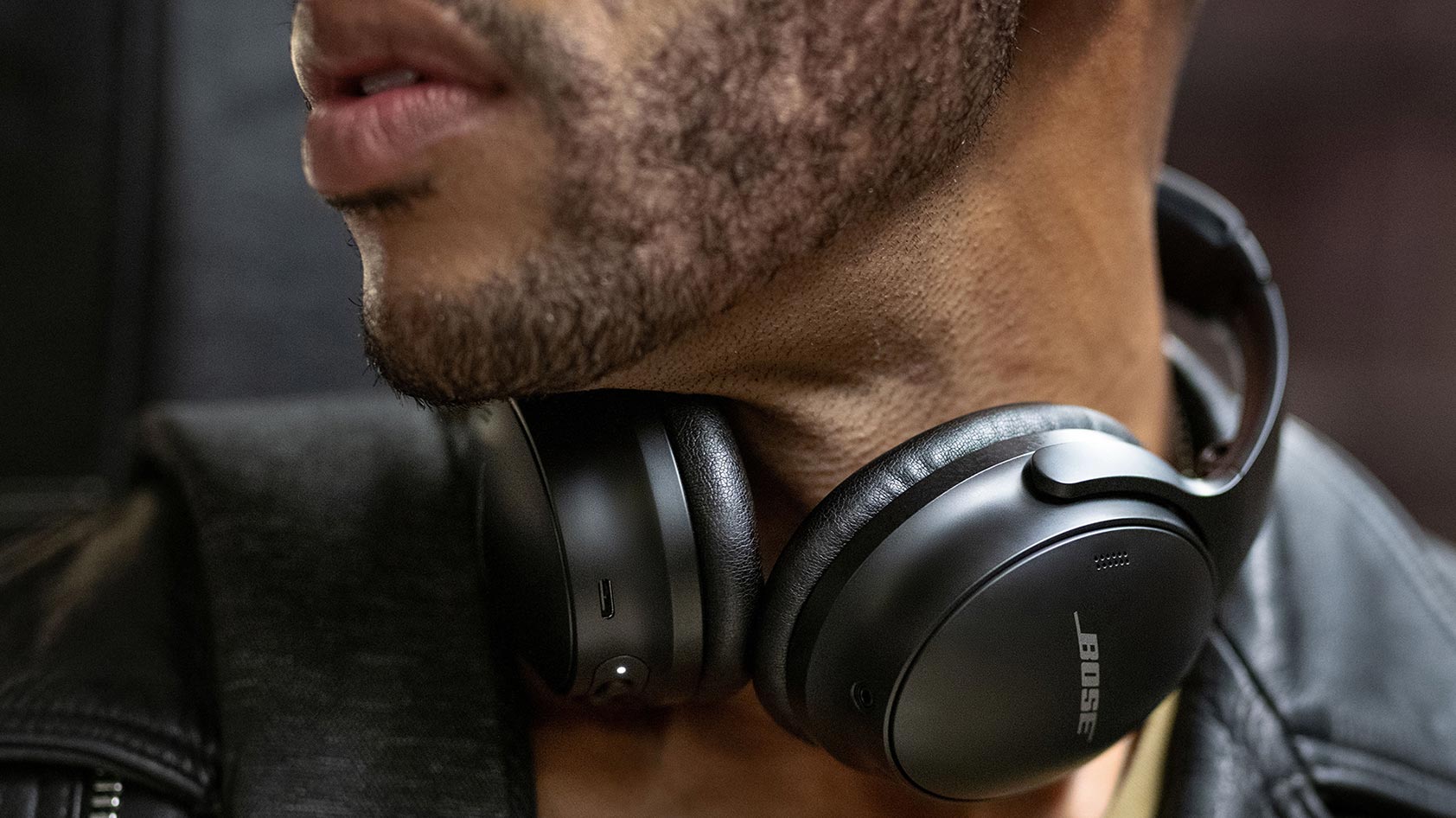
Several of the tested products retail for more than A$500.
Global supply chain under scrutiny
Investigations by ChannelNews indicate that some of the products may have been manufactured in Chinese factories operating as original equipment manufacturers (OEMs) or original design manufacturers (ODMs) for multiple global brands, including Panasonic, Samsung and Apple.
Sennheiser, a German audio company now owned by a Swiss hearing aid group, produces much of its high-end and professional equipment in Germany, Ireland and the United States. However, mass-market products are often manufactured or assembled by partner companies in China and other regions.
Bose, headquartered in the United States, designs its products domestically but relies on Chinese manufacturers for much of its production and final assembly of earbuds.
Among the largest contract manufacturers operating in China are Luxshare Precision — a key assembler of Apple’s AirPods — GoerTek, which supplies major brands including Apple, OPPO and Xiaomi, and Foxconn, best known for iPhone production but also deeply involved in audio device manufacturing.
Critics argue that the concentration of component suppliers and plastics manufacturers near major Chinese production hubs may increase the risk of hazardous materials entering consumer products without adequate oversight.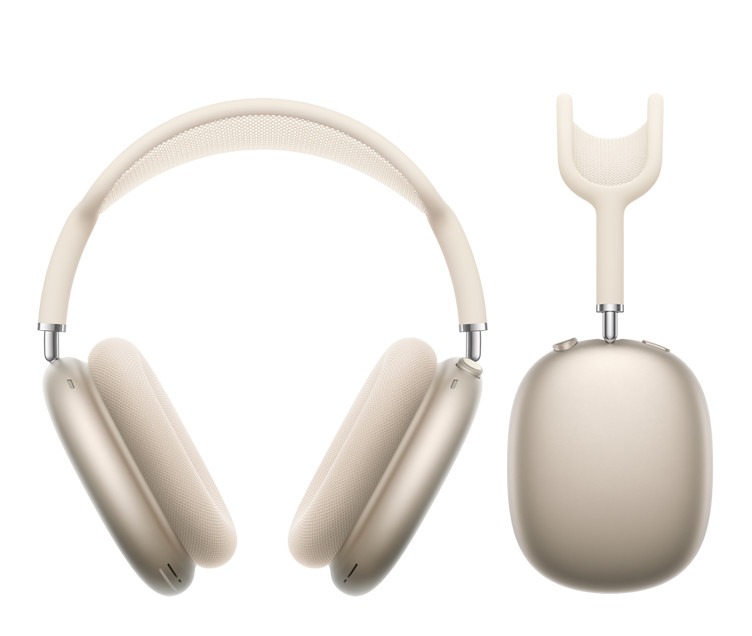
Health advocates demand transparency
The chemicals identified in the study have been under regulatory scrutiny for years due to their ability to leach from plastics and interact with biological systems. While individual exposure levels from headphone use may be relatively low, researchers warn of a cumulative “cocktail effect,” in which ongoing exposure from multiple everyday products compounds health risks over time.
Endocrine-disrupting substances such as BPA have been linked to developmental problems, reproductive disorders, metabolic disease and certain cancers.
Health advocates say the findings point to a systemic failure across the consumer electronics market.
“There is a market-wide failure to disclose potentially harmful substances,” one campaigner said, criticising what they describe as a lack of transparency about materials used in everyday tech products.
Major audio brands named in the investigation did not provide immediate responses to requests for comment.
The revelations are likely to intensify pressure on regulators and manufacturers to tighten chemical standards in consumer electronics — and could spark renewed calls for clearer labelling and independent testing of products that millions of people wear against their skin every day.