CES 2026: RGB TV War Heats Up As Samsung Enters The Fray With Five New Models
 David Richards
18 Dec 2025
David Richards
18 Dec 2025
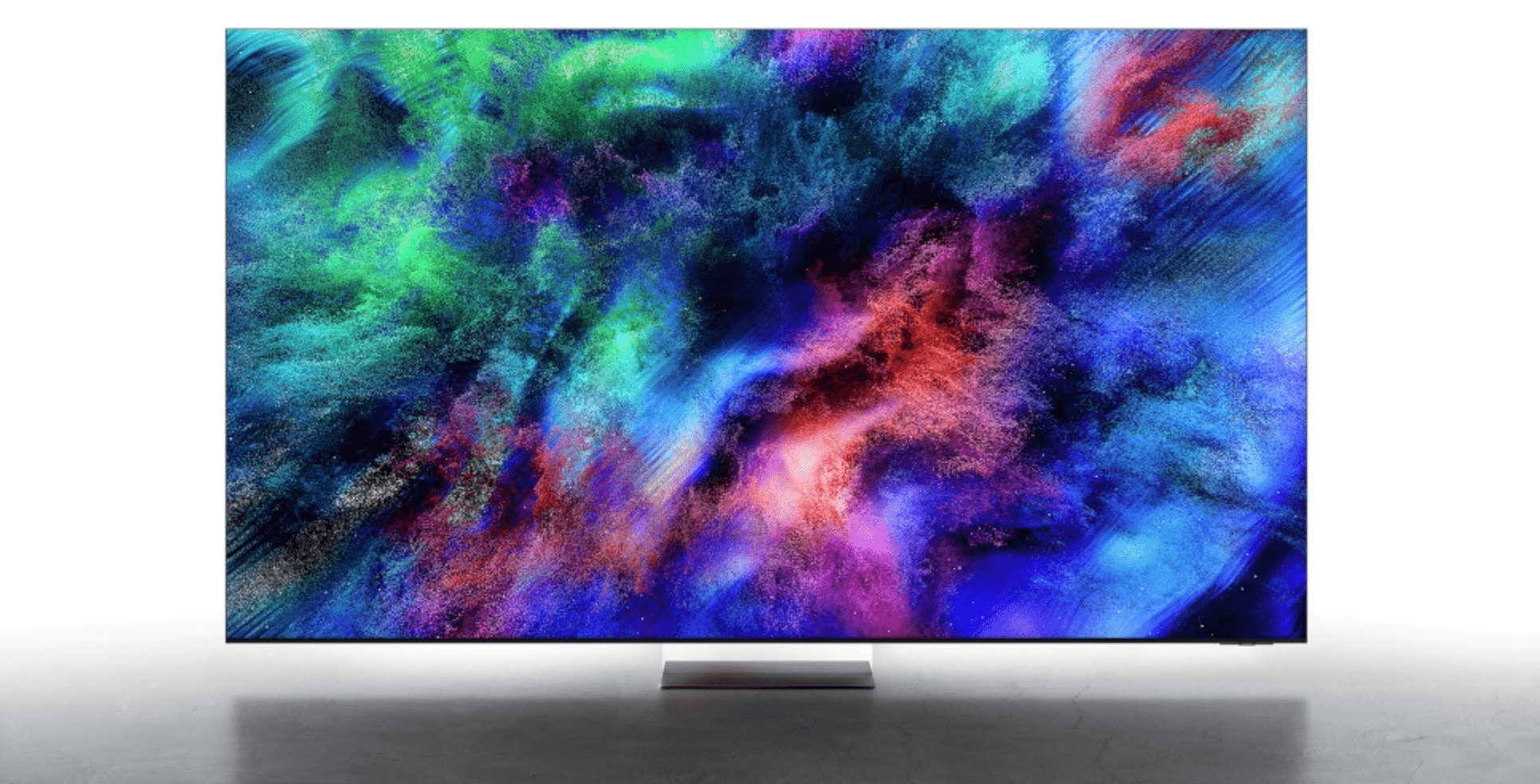
Several major TV manufacturers are looking to CES 2026 as a reset moment to reignite television demand following the pandemic-era sales surge, with Samsung becoming the latest brand to unveil a new display strategy. The South Korean company has announced a fresh TV lineup built around its new Micro RGB display technology, paired with Dolby Atmos and the debut of its Eclipsa audio system — a development we suspect involved sister company Harman.
Despite the name, Micro RGB is not Micro LED. Instead, it is an entirely new display technology that Samsung is positioning as comparable to OLED in picture quality, while being significantly cheaper to manufacture than what many now see as an ageing OLED platform that several brands have begun to move away from.
As LG works to sustain OLED momentum and Sony pushes to establish itself at the premium end of the RGB LED TV market, Samsung — which already offers a massive 115-inch RGB LED model — has announced five new Micro RGB TVs. These include more accessible 55- and 65-inch sizes, alongside 75-inch, 85-inch and 100-inch models.
Samsung Australia has yet to confirm local pricing, with competitors such as Hisense and TCL reportedly waiting to see who makes the first move before revealing their own 2026 RGB LED strategies.
Micro LED technology, like Micro RGB, relies on direct red, green and blue LEDs to illuminate images, rather than filtering white or blue backlights through colour layers or quantum dots. True Micro LED requires these RGB LEDs to be small enough to operate on a pixel-by-pixel basis — a challenge that has kept the technology expensive and largely out of reach for mainstream buyers.
Samsung executives claim their Micro RGB solution outperforms competing offerings, including those from Hisense, which has yet to detail its plans, and TCL, which remains tight-lipped about its 2026 RGB LED lineup.
A key distinction is Samsung’s deliberate use of the “Micro RGB” name. The company says this reflects the use of smaller LEDs — under 100 micrometres — than those found in most rival RGB mini-LED displays. This allows for a denser RGB backlight unit, which Samsung claims delivers purer, more accurate and more dynamic colours than conventional RGB mini-LED technology.
The Micro RGB light source is paired with enhanced RGB colour dimming, designed to produce not only more vibrant imagery but also greater colour consistency and richer, more stable contrast. Samsung claims this combination can achieve 100 per cent coverage of the demanding BT.2020 colour gamut — a claim independently verified by the VDE Testing and Certification Institute.
Powering the new range is an all-new Samsung processamsor, featuring AI-driven enhancements such as Micro RGB Colour Booster Pro and Micro RGB HDR Pro. These systems are designed to improve frame-by-frame clarity, realism and precision.
Also built in is Samsung’s proprietary Glare Free screen technology. Already recognised for its ability to suppress reflections on Samsung’s premium OLED and LCD models, the technology is expected to play a critical role in preserving the colour depth and contrast levels promised by Micro RGB.
Audio is another area Samsung is heavily promoting. The new TVs support Dolby Atmos, Adaptive Sound Pro — which automatically optimises audio for different rooms and content — and the new Eclipsa spatial audio system. They also include Samsung’s Q-Symphony feature, allowing the TV’s speakers to work in harmony with Samsung soundbars rather than being disabled when a soundbar is connected.
Samsung’s Micro RGB TVs will be showcased at the company’s Wynn exhibition space at CES from January 6 to 9 in Las Vegas. We will be reporting live from CES between January 2 and January 8, 2026.