BREAKING NEWS: LG Acquires Home Automation Platform, New Way To Capture & Sell Data on Customers
 David Richards
03 Jul 2024
David Richards
03 Jul 2024

LG Electronics has acquired European smart home Company Athom whose products are already sold in Australia, the move is seen as being a way for LG to use their technology to capture information on consumers home lives, and then sell the data to third party advertisers, the same way they do with their TVs and WebOS software.
The Company has acquired an 80 percent stake in Athom, with an option in place to acquire the remaining 20 percent within the next three years.
LG who is making millions selling data on the lifestyles of consumers who own an LG product admits that their strategy is to integrate Athom’s capabilities with LG’s Intelligence gathering technology, using new AI technology to monitor what is happening in the home.
LG plans to integrate Athom’s extensive connectivity – which links thousands of appliances, sensors and lighting devices – with their generative AI-enabled LG ThinQ platform with data from the platform offered for sale to third party advertisers who buy advertising on an LG TV.
The business admits that data capture of consumer information is a massive part of their business going forward and that the integration of Athom technology is designed to create an AI home that delivers a “deeper understanding of the customer”.
LG’s AI home, customers will engage with generative AI, which will manage appliances and IoT devices to create a personalised environments tailored to their preferences.
According to LG Ad Solutions this data will be sold by the Company to third parties.
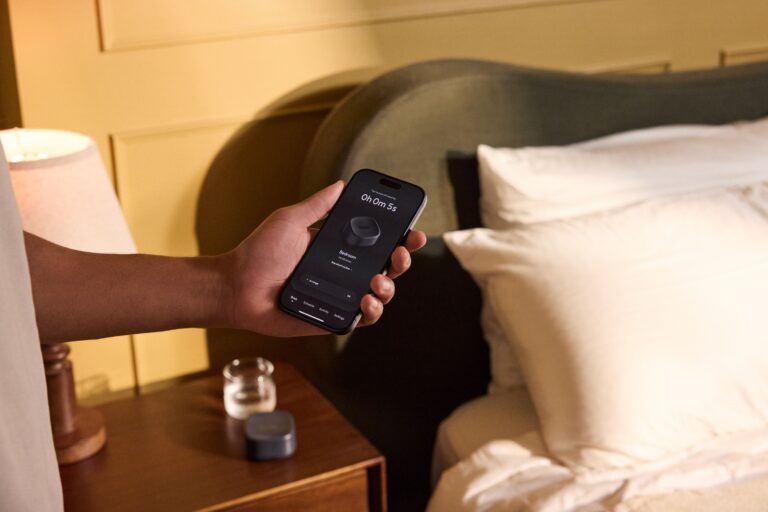
Athom is a technology company that sells the smart home hub ‘Homey,’ which connects with home appliances and IoT devices, and also offers cloud subscription services which is another way for LG to generate revenue.
Homey devices are available in Australia with the Athom Homey Hub Z-wave SmartHome Controller selling for $599.00.
Athom developed the hub and OS to create an independent smart home ecosystem which LG now realising it can be used to generate subscription revenue and capture data on what appliances and services people use in the home.
Cameras connected to the system can also be monitored.
Its flagship product, Homey Pro, can connect to more than 50,000 devices and supports various connection methods, including Wi-Fi, Bluetooth, Z-Wave, Matter and Thread, making it highly versatile and open.
The Homey App Store, managed by Athom, ranges 1,000 applications for connecting and controlling home devices from brands such as Philips Hue and IKEA.
LG claims that these applications are based on official partnerships, alongside a large number of apps developed by the Homey community.
LG claims that they will significantly scale access to the Homey system following the acquisition.
This will be accomplished by integrating their ThinQ platform’s smart home technology with Athom’s open ecosystem and IoT device connectivity.
The big question is whether LG will actually capture and sell data from third-party devices and services integrated into its ecosystem.
If So, this is a real threat for consumers buying the system.
LG Management have told ChannelNews that the new technology will deliver them a “deeper insight into customer usage patterns” and expedite the delivery of personalised information and services to LG’s ThinQ technology which is what they use to capture information.
“The acquisition of Athom is a cornerstone for our AI home business,” said Jung Ki-hyun, executive vice president and head of LG’s Platform Business Centre. “By leveraging the synergy between the two companies, we will expand our open ecosystem and external integration services, aiming to provide customers with more diverse and multidimensional space experiences.”
ChannelNews understands that Athom will continue to operate independently, maintaining its business operations and branding.
The Company admits that they are transitioning from a hardware-focused to a software-based platform business that captures and sells information on consumers who buy their products.
In 2021, LG expanded its TV business from hardware to software by entering the TV platform market with its webOS platform.
To support this shift, LG acquired Alphonso, a US-based global technology company specializing in television media, machine learning and big-data analytics.
Alphonso now operates as LG Ad Solutions, a core component of the webOS content and service business which carries out the sale and capture of data.
According to market research firm TechNavio, the global smart home market is projected to grow from USD 81.2 billion in 2023 to USD 260.24 billion by 2028, with an average annual growth rate of 26.23 percent.
“LG is evolving into an intelligent space solutions company that connects and expands experiences in various living spaces. We will continue to make strategic investments to shift our business paradigm, as evidenced by our successive entries into platform-based appliance services and solutions such as the webOS advertising platform and AI home,” said William Cho, CEO of LG Electronics.