JB Hi-Fi Moves to Monetise Customer Data To Sell Direct Engagement For Suppliers
 David Richards
06 Feb 2026
David Richards
06 Feb 2026

JB Hi-Fi is moving to extract new revenue from its vast customer database, pressing ahead with plans to design, build and operate a retail media network across its business as brands increasingly move to sell direct because of what is being described as the high cost of selling via a retail network.
The JB Hi-Fi Group — which owns JB Hi-Fi, The Good Guys and e&s — has appointed Retail MediaWorks to help establish and run the network, a move that positions the retailer alongside Bunnings, Woolworths asnd Coles who have been replacing lost catalogue revenues with other forms of marketing.
Retail media networks (RMNs) allow retailers to monetise first-party customer data and owned media channels — including in-store screens, websites, apps and loyalty platforms — by selling advertising directly to brands. The model has grown rapidly as retailers seek to replace declining catalogue revenue and capture marketing dollars that once flowed to traditional media companies.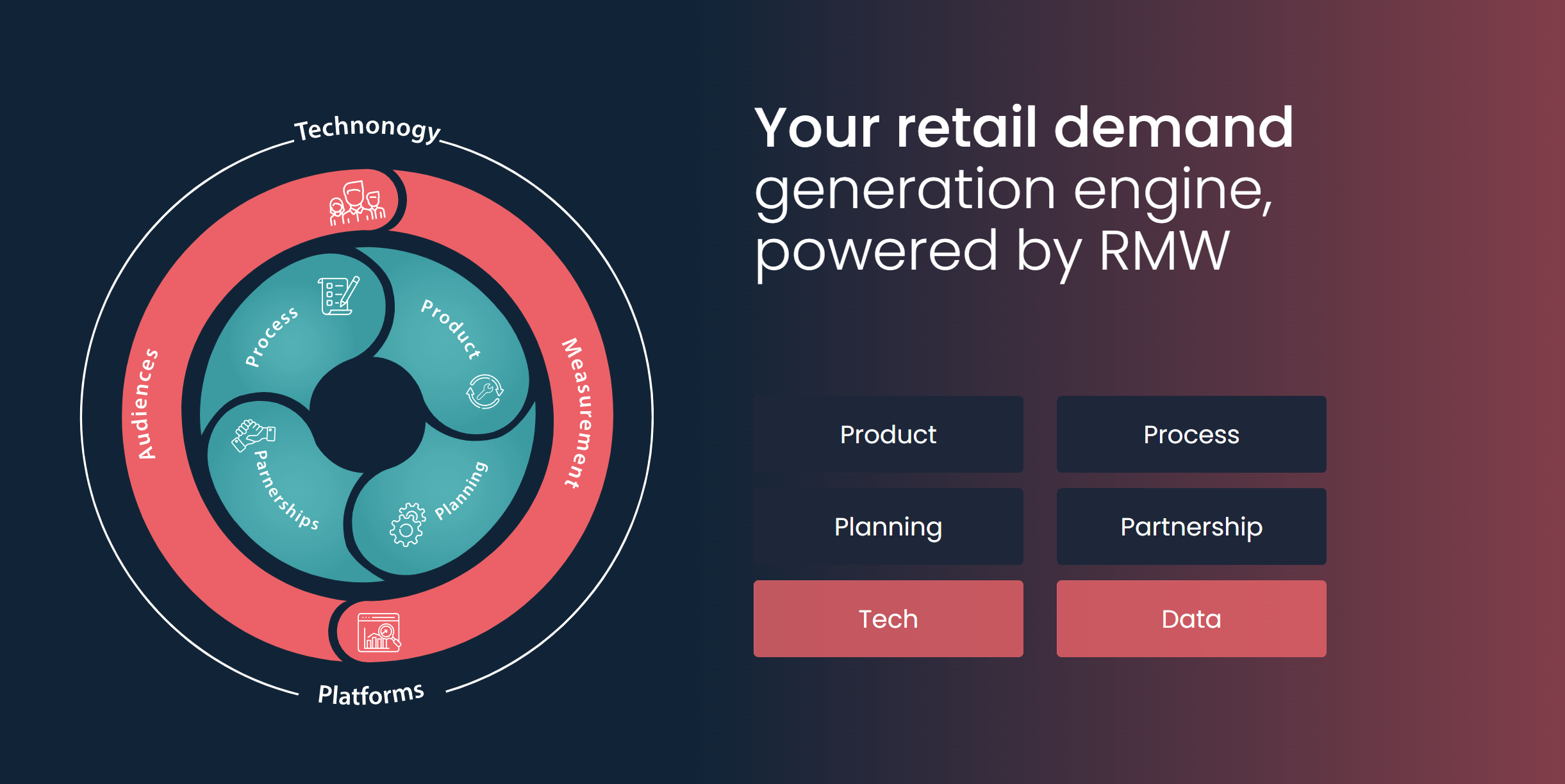
Retail MediaWorks, founded in 2010, specialises in building and operating these networks for major retailers. The company has previously worked with Woolworths, Coles, Bunnings, Priceline and Liquorland, helping them commercialise customer data and media inventory.
Unlike traditional retailers, Retail MediaWorks does not sell physical products, instead generating revenue by providing strategy, technology, sales and operational support designed to unlock advertising income for retailers.
The company claims it has helped retailers generate more than $1 billion in advertising revenue — money it says would previously have gone to media companies rather than retailers themselves.
JB Hi-Fi’s Director of Marketing and eCommerce, Gary Siewert, said retail media is becoming central to how brands reach customers at critical moments in the buying journey.
“Retail media plays an increasingly important role in how brands engage customers during moments of active consideration,” Siewert said.
He claims the new network would allow JB Hi-Fi to deliver targeted omnichannel advertising that is “relevant for shoppers and valuable for brand partners,” supported by proven technology.
But the expansion of retail media is not without controversy.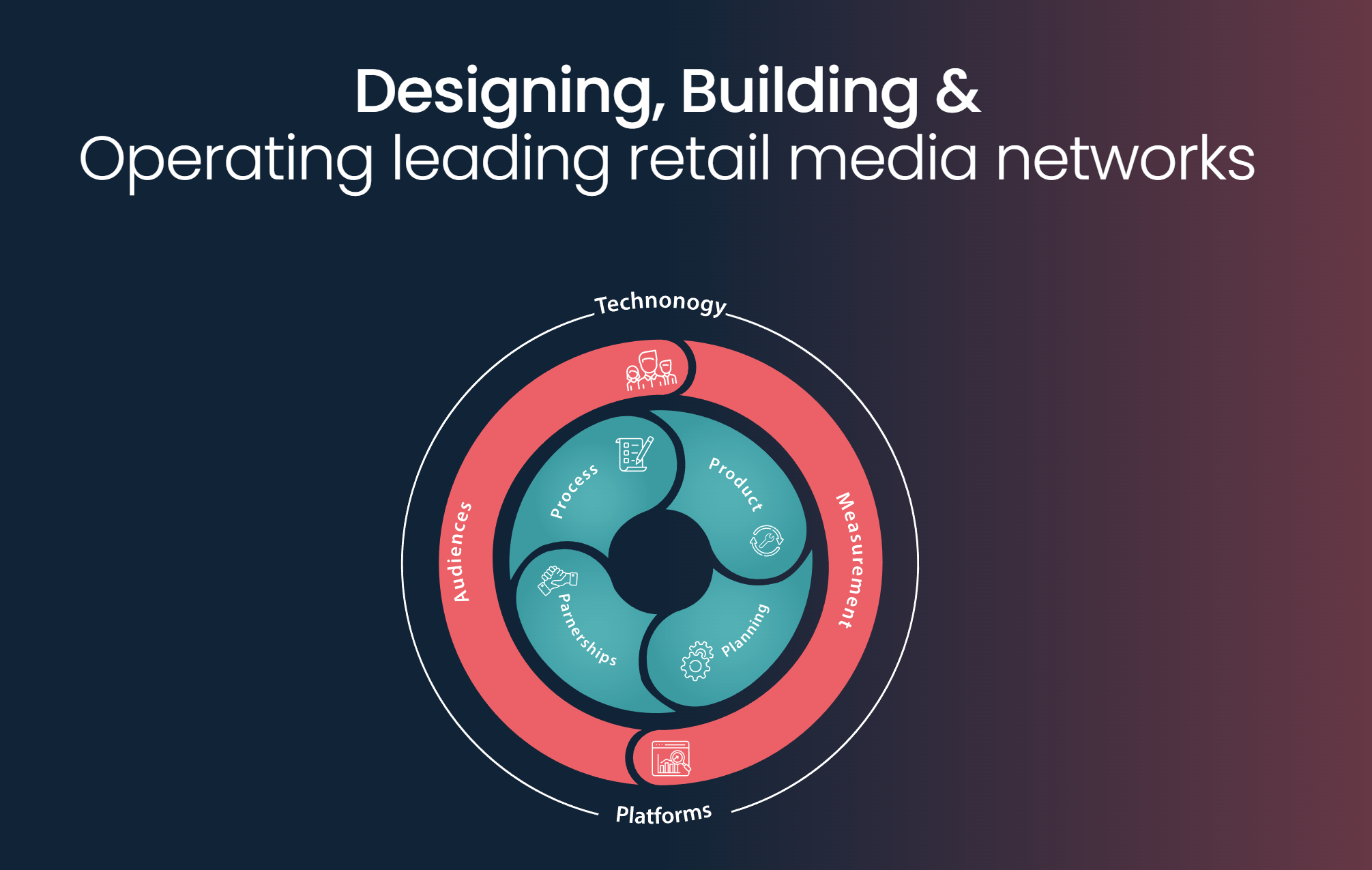
Some brands are pushing back against retailers’ growing demands for marketing investment, with Bunnings and Woolworths suppliers telling ChannelNews the model is starting to fracture relationships.
“In Australia several retailers are now demanding additional marketing investment in their own networks after losing revenue from the production of catalogues,” said one Bunnings supplier, who claimed the shift is creating structural problems for brands already under margin pressure.
Industry observers say the push by retailers into advertising has, in some cases, driven brands to invest more heavily in direct-to-consumer marketing, bypassing retailer-controlled channels altogether.
Critics argue that companies like Retail MediaWorks are effectively turning retailers into media agencies — complete with sales teams, campaign planning and ad operations — designed to divert advertising budgets away from traditional publishers and broadcasters and into retailer-owned ecosystems.
Retail MediaWorks is led by CEO John Georgas, a former agency executive who previously held senior roles at Arc Worldwide and Tribe Marketing. Under his leadership, the company has positioned itself at the centre of the retail media boom, helping retailers monetise shopper data and touchpoints at scale.
As JB Hi-Fi joins a growing list of Australian retailers betting on retail media, the battle for brand marketing dollars appears set to intensify — with retailers, agencies, media companies and brands all vying for control of the same shrinking budgets claim retail analysts.