Australian Economy Strengthens, But Still Needs To Meet RBA’s Target
 Varun Godinho
05 Mar 2025
Varun Godinho
05 Mar 2025

A day after it was confirmed that retail spending was once again on the rise, Australia’s economy has now posted growth in line with market expectations.
For the December quarter, GDP rose 0.6%, supporting the Reserve Bank of Australia’s (RBA) decision to recently introduce a small rate cut.
It was the highest quarterly rate of GDP growth since December 2022, and resulted in annual GDP increase to 1.3% from 0.8% in September, according to figures shared by the Australian Bureau of Statistics.
GDP per capita also increased 0.1% in December, breaking a run of seven consecutive quarterly declines in living standards.
“Modest growth was seen broadly across the economy this quarter. Both public and private spending contributed to the growth, supported by a rise in exports of goods and services,” said Katherine Keenan, ABS head of national accounts.
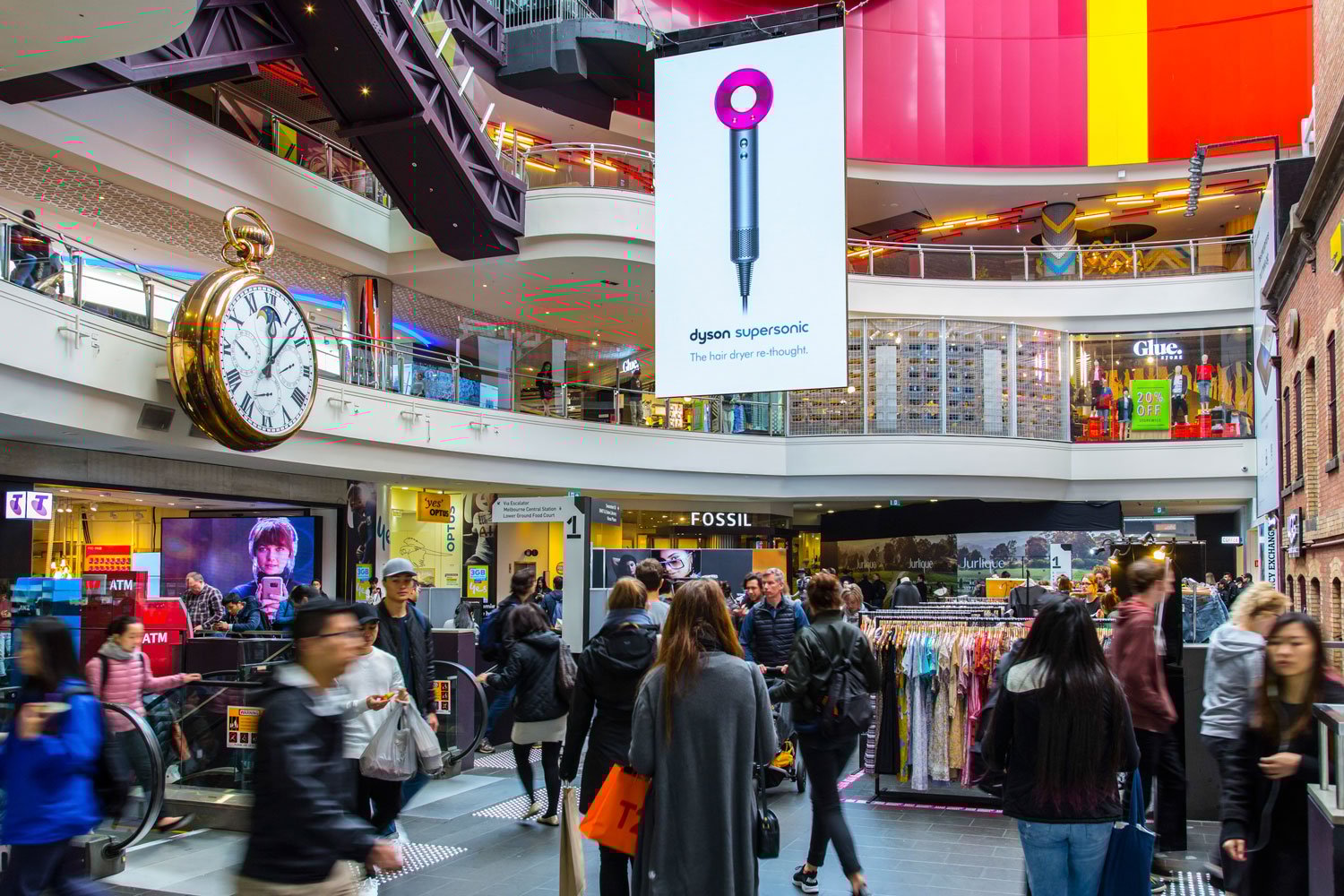
With the holiday period and mega sales events such as Black Friday and Boxing Day sales coinciding with the December quarter, the ABS said that household spending was up 0.4% in the December quarter after a flat result in the September quarter.
“Household discretionary spending rose as people made the most of retail sales events and increased spending on hospitality as they enjoyed music and sporting events,” said Keenan.
The ABS noted that household savings ratio also rose to 3.8% in the December quarter, up from 3.6% in the September quarter. It said that gross disposable income of households grew as income received rose, driven by higher earnings from compensation of employees, household income from dwellings and interest received.

While the RBA cut its cash rate by 25 basis points to 4.1% last month, it expects the GDP to pick up this year to 2.4% in December.
The RBA’s updated GDP forecasts are below the 20-year pre-pandemic average of nearly 3%.
“Consumption is recovering but it’s not recovering as strongly as we initially thought it would,” she said shortly after the RBA declared rate cuts in February. “We still have it recovering reasonably slowly, and that’s a big driver of GDP.”