Atlassian Faces Backlash Over Trello Revamp Amid Turbulent Times
 Joe Gallop
28 Jul 2025
Joe Gallop
28 Jul 2025
Atlassian is facing backlash from Trello users over a recent software overhaul, with customers describing the update as “a disaster” and “an act of self-sabotage”.
The move comes as internal unrest and executive drama continue to unfold at the A$82 billion Australian-American tech company.
The Trello redesign, which rolled out two weeks ago, includes a new navigation bar and interface as part of Atlassian’s push to reposition the project management tool as a “personal productivity companion”.
However, users say the changes have buried core features and slowed down workflows.

“This update is arguably one of the worst in tech history,” wrote one user on Atlassian’s community forum.
Another questioned whether a “sleep-deprived intern” had mistakenly launched the redesign.
Nik Samoylov, CEO of research platform Conjointly, said the changes have disrupted productivity for his 60 staff. He said he’s considering switching platforms after spending $23,000 annually on Atlassian tools.
Despite the backlash, Atlassian is standing firm. A company spokesperson said Trello’s transformation is part of a broader vision to help users manage both work and personal tasks.

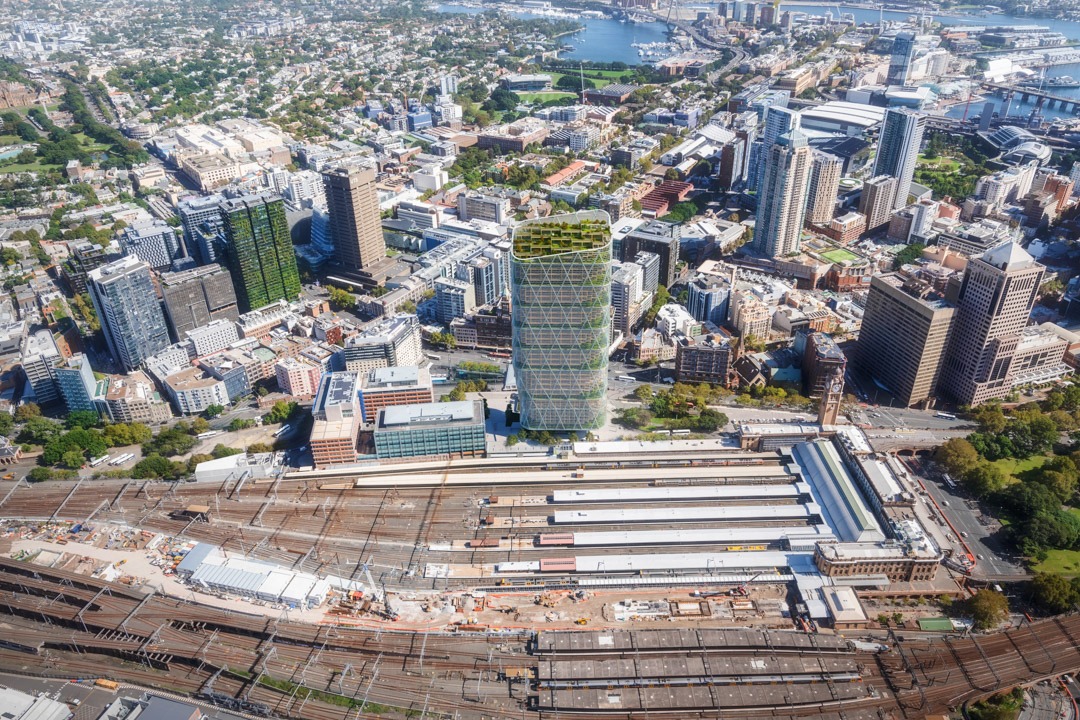
Atlassian’s new Sydney HQ, set to open in 2027
The user revolt comes as Atlassian deals with deeper internal tensions.
Co-founder Scott Farquhar’s 2024 exit as co-CEO followed a breakdown in his relationship with fellow founder Mike Cannon-Brookes.
Reports in The Australian have painted a picture of cultural dysfunction, power struggles and cliques inside the company – most notably around Cannon-Brookes’ chief of staff Amy Glancey, described by insiders as wielding immense influence.
While Atlassian publicly denies claims of toxicity, multiple former staff allege a workplace culture marked by secrecy, internal factions and a growing resistance to critical voices.
Meanwhile, both Cannon-Brookes and Farquhar have recently offloaded millions in Atlassian stock, selling $1.47 million and $1.55 million respectively in July alone.
Despite maintaining confidence in the company’s future, the stock is down 17% year to date.