Apple Finally Gets Serious About Home Theatre
 Joe Gallop
28 Jul 2025
Joe Gallop
28 Jul 2025

Apple has finally embraced the broader wireless audio ecosystem with the upcoming release of tvOS 26, allowing Apple TV users to set any AirPlay-compatible speaker – not just HomePods – as a default audio output.
Until now, persistent audio connections were exclusive to Apple’s own smart speakers, forcing users of other brands like Sonos, KEF, and Audioengine into the tedious routine of manually reconnecting each session.
With tvOS 26, that changes, and it’s a welcome if overdue move that positions Apple TV as a more viable home theatre hub.
The update means users can now power on their Apple TV and have it automatically route sound to their preferred wireless setup – no HDMI cables, no eARC, no manual pairing.
The change is a significant step forward in functionality that some argue should’ve arrived years ago.
Still, it’s better late than never, especially for users who’ve skipped the soundbar or AV receiver route in favour of minimal, high-performance wireless speakers.
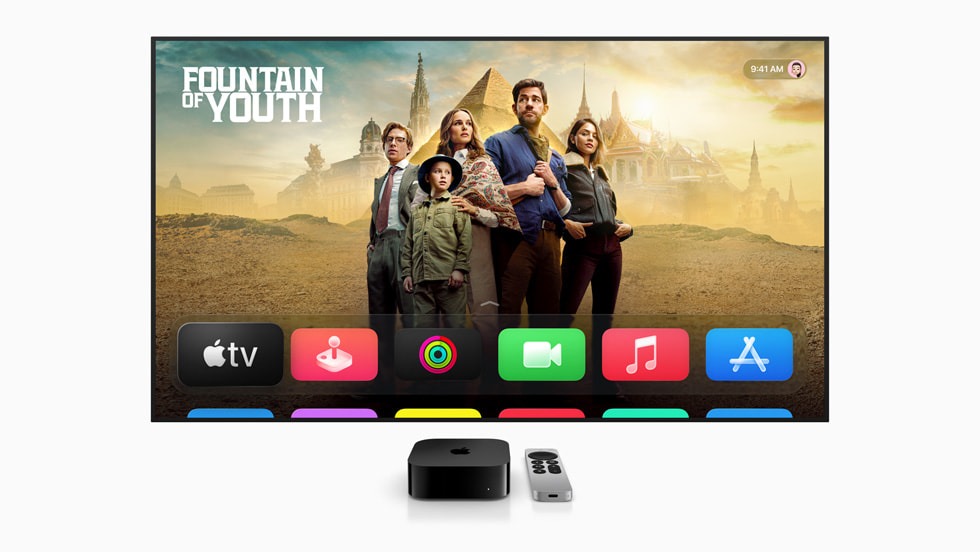
Alongside this more meaningful change are flashier additions like the new “Liquid Glass” UI redesign, more immersive cinematic poster art in the Apple TV app, karaoke via your iPhone mic, and enhanced multi-user profiles.
However, for many users, it’s the simple convenience of default wireless audio that could redefine how Apple TV fits into the lounge room setup.
TvOS 26 is set to roll out in September, with the new speaker support and most features available on second and third gen Apple TV 4K units.