Arisit Distributed Whirlpool Facing Price Rises & Major Problems As Shares Tank
 David Richards
07 May 2026
David Richards
07 May 2026
Whirlpool, the iconic US appliance giant once immortalised in Australia through the famous “Does your mother own a Whirlpool?” advertising campaign, is facing mounting financial pressure as collapsing sales, rising debt and weakening consumer demand batter the business worldwide.
The owner of KitchenAid shocked investors overnight after slashing its full-year earnings guidance by almost 50%, suspending its dividend and warning of worsening market conditions amid what executives described as a “recession-level industry decline”.
Shares in Whirlpool plunged 18% in after-hours trading after the company reported disastrous first-quarter results for 2026, missing Wall Street expectations on both revenue and profit.
Sales fell almost 10% year-on-year to US$3.27 billion, while the company posted a GAAP loss of US$1.43 per share, dramatically below analyst forecasts that had predicted a US39 cent profit. Adjusted EBITDA also missed estimates by more than 40%.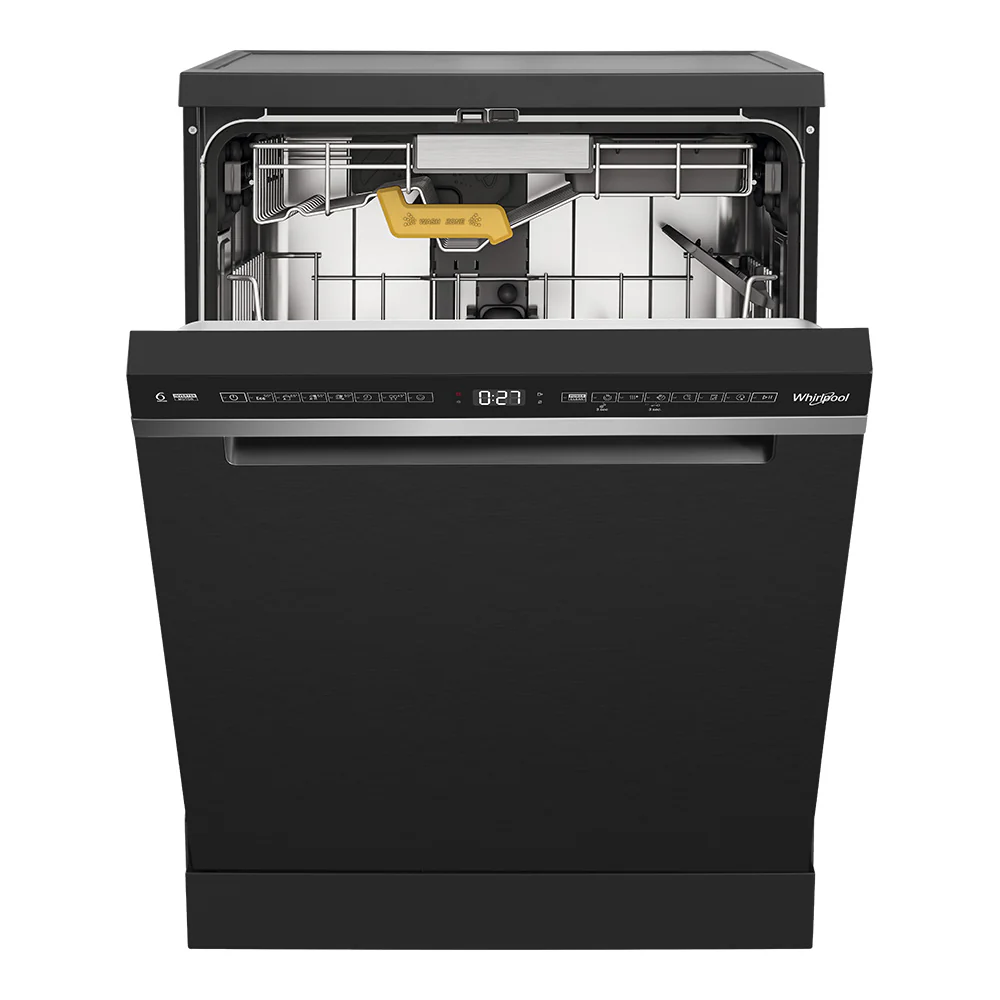
The worsening financial outlook is now expected to flow through to Australian consumers, with appliance prices tipped to rise sharply as the struggling manufacturer battles inflation, falling demand and mounting debt.
In Australia, Whirlpool products are exclusively distributed by Arisit, the Harvey Norman-owned appliance business that secured an extension to its Australia and New Zealand distribution agreement through to late 2026.
However, Arisit management has declined to comment on whether it intends to continue distributing the troubled brand beyond the current agreement period.
The Whirlpool portfolio includes washing machines, refrigerators and cooking appliances, but industry observers claim Australian consumers are increasingly abandoning the once-dominant brand in favour of cheaper alternatives from Westinghouse, TCL, ChiQ and a growing wave of private-label products that offer retailers stronger margins and shoppers better value.
Despite consumers continuing to replace ageing or broken appliances, Whirlpool executives admitted buyers are avoiding the company’s premium products, traditionally its most profitable category, in favour of cheaper models.
Chief Financial Officer Roxanne Warner blamed deteriorating consumer sentiment and the rising cost of living crisis for the company’s accelerating decline.
“We believe that’s absolutely driven by the fact that consumers are being a bit more cautious in terms of what they’re spending, and most likely reducing the amount of big-ticket purchases,” Warner said.
Warner also revealed that Whirlpool had been further damaged by a US Supreme Court ruling invalidating Trump-era emergency tariffs, a move she said allowed competitors to slash prices in anticipation of receiving refunds.
“Consumer confidence has nosedived to historically low levels,” Warner warned.
The company, which manufactures roughly 80% of its products for the US market domestically, is now scrambling to stabilise its balance sheet as pressure mounts from investors, retailers and competitors.
Harvey Norman management has also declined to comment on Whirlpool’s deteriorating position.
For a brand that once dominated kitchens and laundries across Australia, the latest results mark a dramatic reversal of fortune, and raise serious questions about the future of one of America’s most recognisable appliance manufacturers.