Apple’s Crease-Free iPhone Duo Has A Hidden Weak Spot, New Video Reveals
 Dominic Bayley
22 Oct 2026
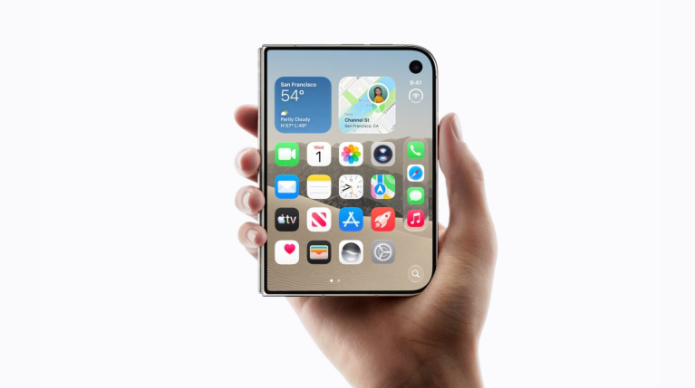
Apple may have managed to virtually eliminate the visible crease on its first foldable iPhone, but a new video suggests the iPhone Duo’s innovative display design could come with an unexpected compromise.
Footage circulating on social media shows the iPhone Duo’s inner display flexing noticeably when pressure is applied directly above the hinge, raising questions about the durability of Apple’s new foldable screen.
The video, originally shared on Chinese social media platform Weibo by user Kang and later reposted by well-known leaker Ice Universe, demonstrates how the display appears to sink slightly when pressed around the folding mechanism.
Although the screen looks almost completely flat during normal use, the section above the hinge appears noticeably softer than the surrounding display.
According to Kang, applying pressure to this area can also cause small wrinkles to form temporarily on the screen’s surface. These disappear once the pressure is removed, suggesting the display returns to its original shape rather than suffering permanent deformation.
However, the behaviour has raised concerns about how the screen might perform after months or years of repeated folding, tapping and swiping.
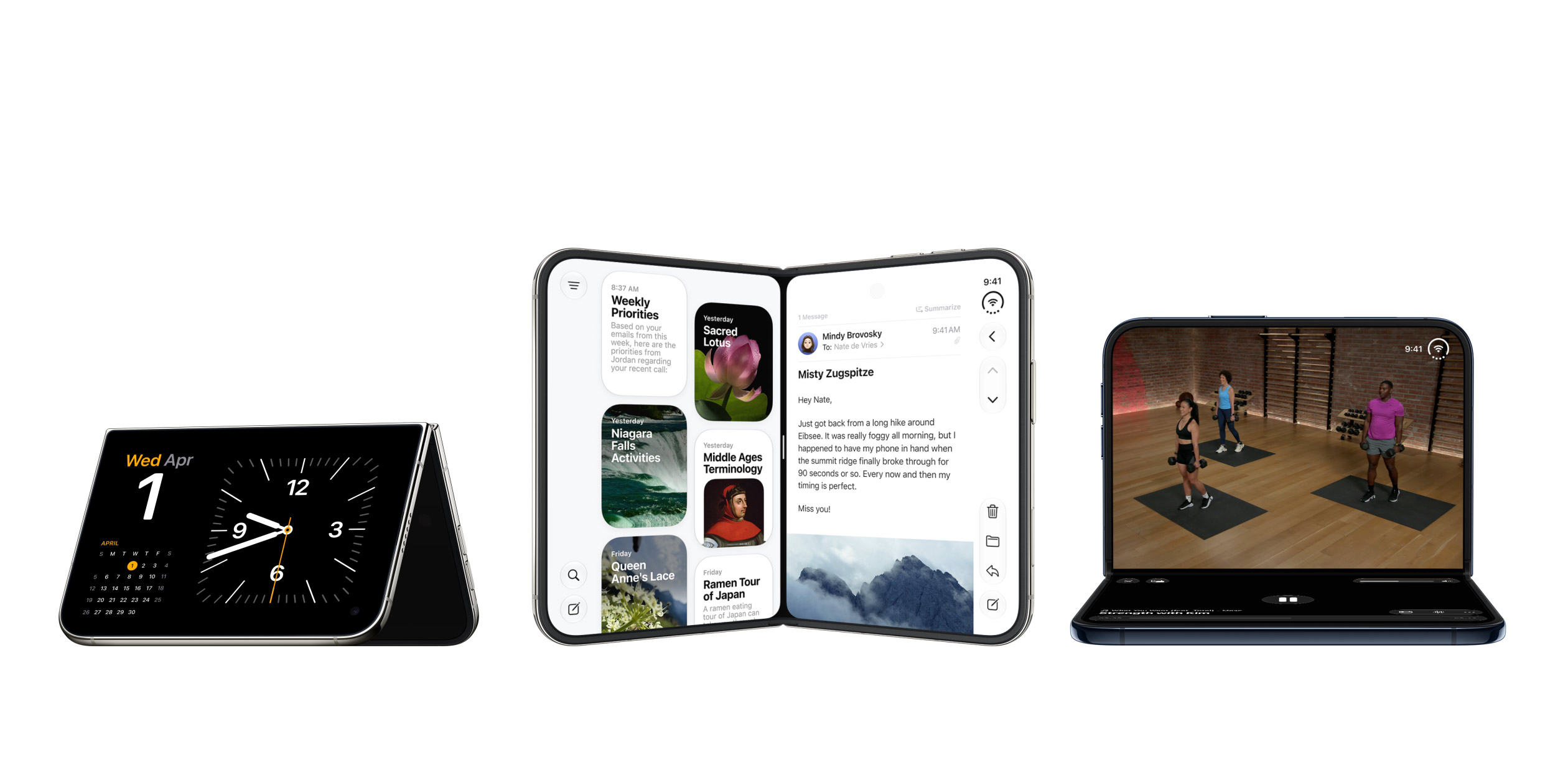
Kang claims to have tested several iPhone Duo units and found the same behaviour across all of them, suggesting the softer hinge area could be a characteristic of the display’s design rather than a fault affecting an individual handset.
One possible explanation involves Apple’s rumoured use of variable thickness glass, a technology designed to improve flexibility in foldable displays while maintaining strength in areas that don’t need to bend.
Unlike conventional ultra-thin glass, variable thickness glass uses different thicknesses across the panel. The section covering the hinge is made thinner to allow the screen to fold more easily, while the surrounding areas remain thicker to provide additional rigidity.
Corning has previously demonstrated a similar technology known as variable thickness glass (VtG), which aims to reduce the visibility of the crease without compromising the overall strength of a foldable display.
Ice Universe has suggested that Apple may be using a comparable approach in the iPhone Duo, potentially explaining why the hinge area feels less rigid than the rest of the screen.
Apple has not confirmed whether the iPhone Duo uses variable thickness glass, so the exact reason for the behaviour remains unclear.
If the technology is being used, the softer section could be an intentional design compromise rather than a manufacturing defect.
The iPhone Duo’s inner screen protector is also reportedly replaceable, potentially making it easier to address scratches or other surface damage without replacing the entire foldable display.
Importantly, there is currently no evidence that the temporary wrinkles demonstrated in the video cause permanent damage or indicate that the screen is more likely to fail over time.
Nevertheless, the footage highlights one of the challenges facing manufacturers as they attempt to make foldable smartphones thinner, stronger and less prone to visible creasing.
Apple may have succeeded in making the iPhone Duo’s crease almost disappear, but the real test will be whether its flexible display can maintain that appearance after years of everyday use.