Apple Watch Blood Oxygen Row Escalates With New Import Review
 Joe Gallop
19 Nov 2025
Joe Gallop
19 Nov 2025
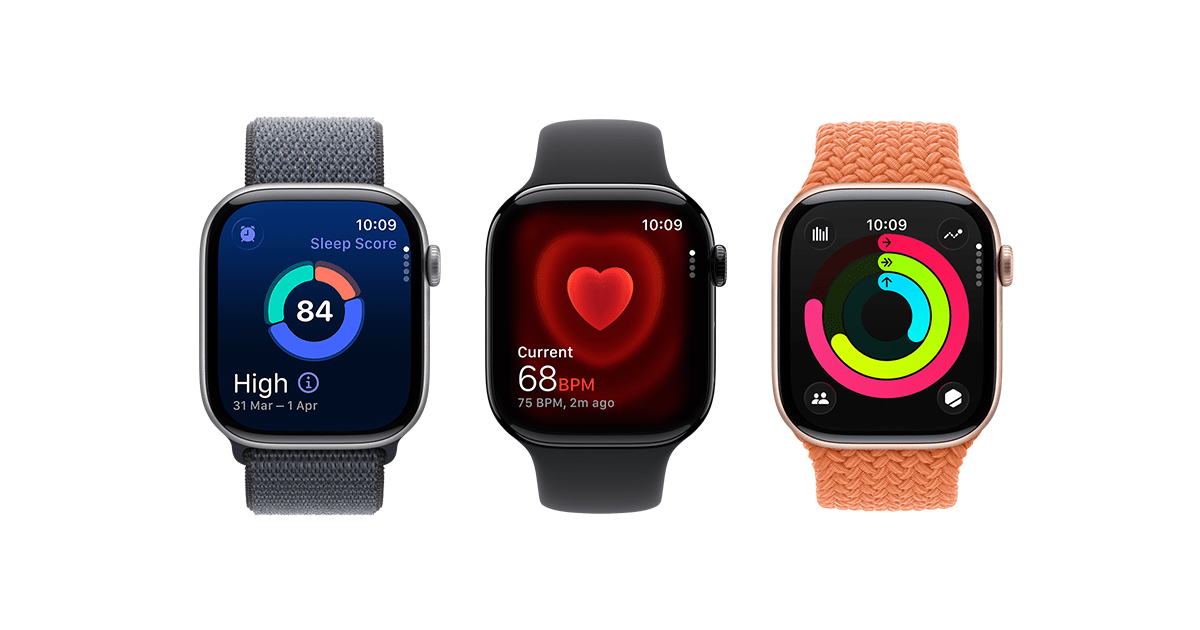
Apple’s long-running battle over the Apple Watch’s blood oxygen sensor has ramped up again, with a new trade review and a hefty courtroom loss putting future models under more pressure.
The latest twist comes as the International Trade Commission opens a new inquiry into whether Apple’s redesigned blood oxygen feature still infringes patents owned by medical-tech firm Masimo.
The review is expected to wrap within six months.
A jury also ordered Apple to pay Masimo US$634 million (A$980 million) after finding several Watch features, including workout mode and heart-rate alerts, violated an older Masimo patent tied to hospital-grade monitoring technology.
Apple says it will appeal the verdict and maintains the claims have no merit.
Masimo, meanwhile, called the decision a major win for its intellectual property.

The outcome matters for anyone eyeing their next smartwatch upgrade.
A finding of infringement could again restrict imports of the latest Watch models.
This year, Apple temporarily removed blood oxygen readings from some units to comply with an earlier ruling before restoring a revised version after regulators approved its workaround.
The feature now calculates blood oxygen levels on a paired iPhone rather than on the watch itself.
Any fresh import limits could affect stock levels of newer models, particular finishes or specialty bands.
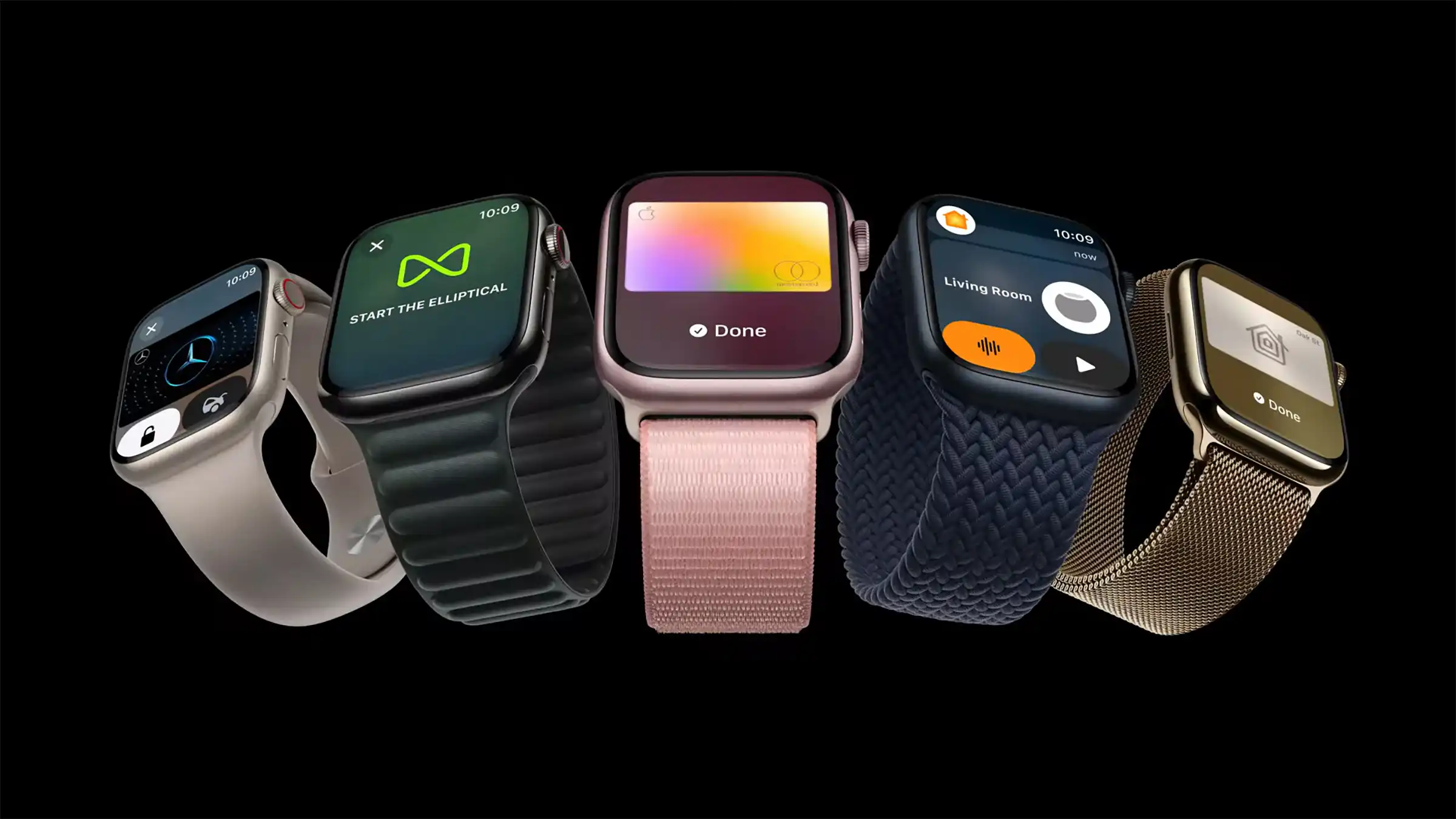
With Apple already demonstrating it’s willing to disable or change health-tracking features to navigate the dispute, Australians may see variability in what the watch can do depending on software updates and global regulatory manoeuvres.
For Apple, the escalating legal pressure raises strategic questions around its health-sensor roadmap.
For users, it’s a reminder that popular health metrics hinge on patent outcomes that can shift mid-product cycle.
For now, updated models remain available and the blood oxygen feature is still active in current software.