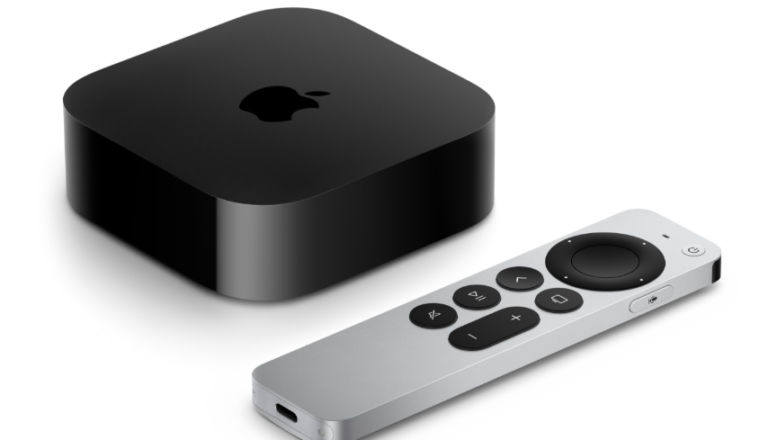
Apple TV 4K Gets A $449 Price Tag But Misses The Features Fans Wanted Most
 Dominic Bayley
16 Oct 2026
Dominic Bayley
16 Oct 2026
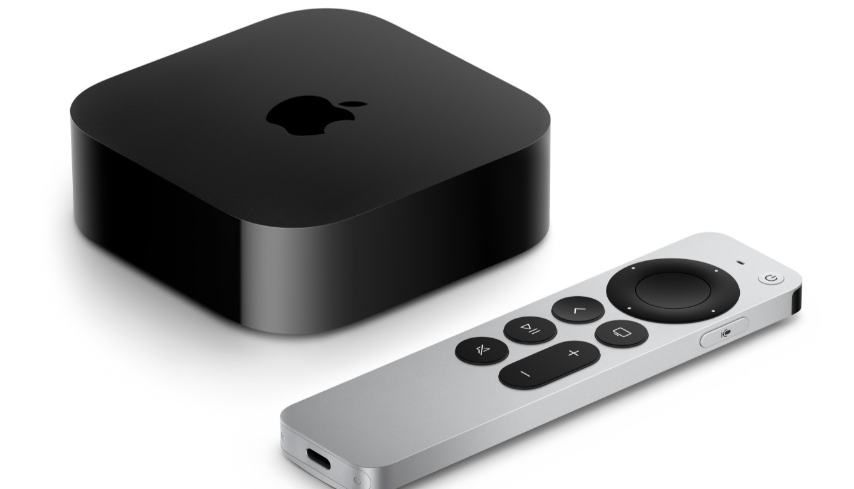
Apple has finally unveiled its fourth-generation Apple TV 4K, ending a four-year wait for an update to its premium streaming device. However, while the new model introduces several welcome improvements, its significantly higher price and lack of some highly requested features could leave home theatre enthusiasts disappointed.
The biggest surprise is the price. Apple has discontinued the more affordable 64GB Wi-Fi-only version, leaving the 128GB model with Wi-Fi and Ethernet as the sole option. The new Apple TV 4K now costs $449, putting it well above competing streaming devices from Google, Amazon and Roku, many of which sell for less than half that amount.
For the money, buyers get a faster processor, improved Siri functionality and several useful additions. Apple has introduced built-in far-field microphones, allowing users to interact with Siri without relying on the remote, while Find My support makes it easier to locate a misplaced remote control.
The latest model also gains dedicated AV1 hardware decoding, enabling more efficient playback of high-quality video from compatible streaming services such as Netflix. Combined with the upgraded processor, the improvements should deliver a smoother overall streaming experience.
Apple has also expanded the device’s home theatre capabilities, introducing support for wireless surround sound systems using compatible HomePod speakers. Users can pair HomePod 2 speakers as front channels and HomePod mini 2 speakers as surrounds, creating a more immersive audio setup without a traditional AV receiver.
However, the feature is unlikely to appeal to enthusiasts who have already invested in dedicated surround sound systems.
One of the biggest omissions is audio passthrough, a feature that would allow an external AV receiver or soundbar to decode an incoming audio stream directly rather than having the Apple TV process it first.
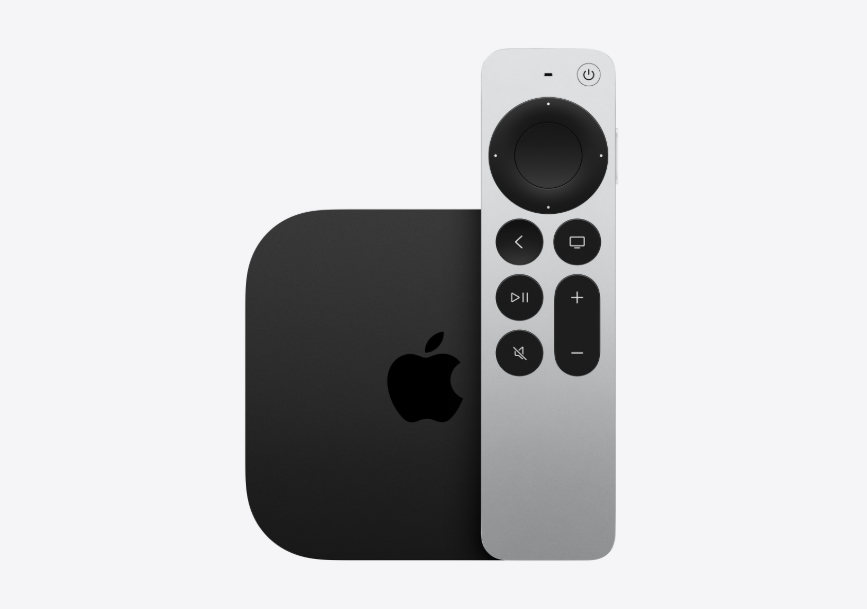
Apple continues to rely on its existing audio handling system, including Continuous Audio Connection, which some users have reported can cause playback problems. For those with expensive Dolby Atmos home theatre equipment, the absence of passthrough remains a significant frustration.
Another disappointment is the lack of 4K output at 120Hz. Despite the faster processor, the new Apple TV 4K remains limited to 60Hz, missing an opportunity to appeal to gamers who use services and applications such as Moonlight to stream games from their PCs.
Support for 120Hz could have given Apple’s streaming box a meaningful advantage over rival devices, while also strengthening its position as a gaming platform.
For movie enthusiasts, the limitation is less significant, as most films are produced at 24 frames per second and can be displayed correctly on compatible 120Hz televisions.
Other features missing from the new Apple TV 4K include an HDMI input for video passthrough and a dedicated optical audio output. Although these additions would primarily appeal to home theatre enthusiasts, they could have helped justify the device’s premium positioning.
Instead, Apple has delivered an update that improves performance, voice control and integration with its broader ecosystem without addressing several longstanding requests from its most demanding users.
The new Apple TV 4K still has advantages, including Apple’s privacy-focused approach, its polished interface and close integration with other Apple devices. However, with competing streaming products offering many of the same core features at considerably lower prices, its value proposition has become harder to defend.
At $449, the fourth-generation Apple TV 4K is now an expensive proposition for a device primarily designed to stream movies and television shows. While Apple may introduce additional capabilities through future software updates, buyers looking for advanced home theatre features could find better value elsewhere.