Apple Smart Glasses Delayed As Privacy Concerns Threaten 2027 Launch
 Joe Gallop
27 Jul 2026
Joe Gallop
27 Jul 2026
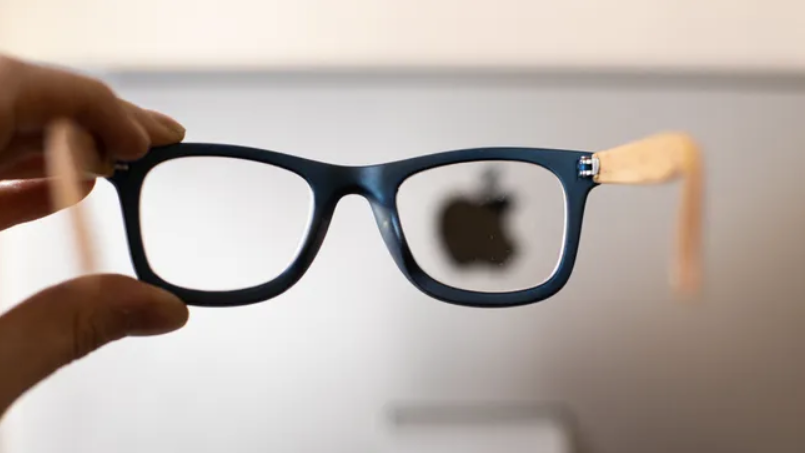
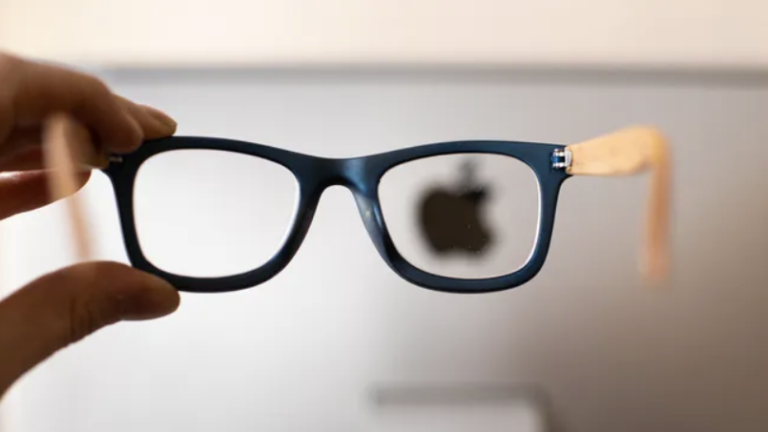
Apple is reportedly overhauling the privacy safeguards for its first smart glasses as it prepares to enter a product category already facing mounting concerns over covert recording.
The glasses are now expected to be unveiled at Apple’s Worldwide Developers Conference in June 2027, ahead of a consumer release by the end of that year, according to Bloomberg’s Mark Gurman.
Apple had previously targeted an introduction in 2026 and an early 2027 launch, but its engineering and marketing teams are said to be refining both the product and its privacy messaging.
The company faces the challenge of separating its glasses from Meta’s Ray-Ban models, which helped establish the AI eyewear category but have also attracted criticism over cameras that can capture photos and video from the wearer’s perspective.

Apple has reportedly discussed several approaches, including glasses without cameras and a model featuring cameras that can analyse the surrounding environment but cannot record photos or video.
The most likely design is expected to include cameras alongside new hardware and software protections.
These could disable recording if an outward-facing indicator light is covered or tampered with, similar to measures adopted by Meta and Samsung.
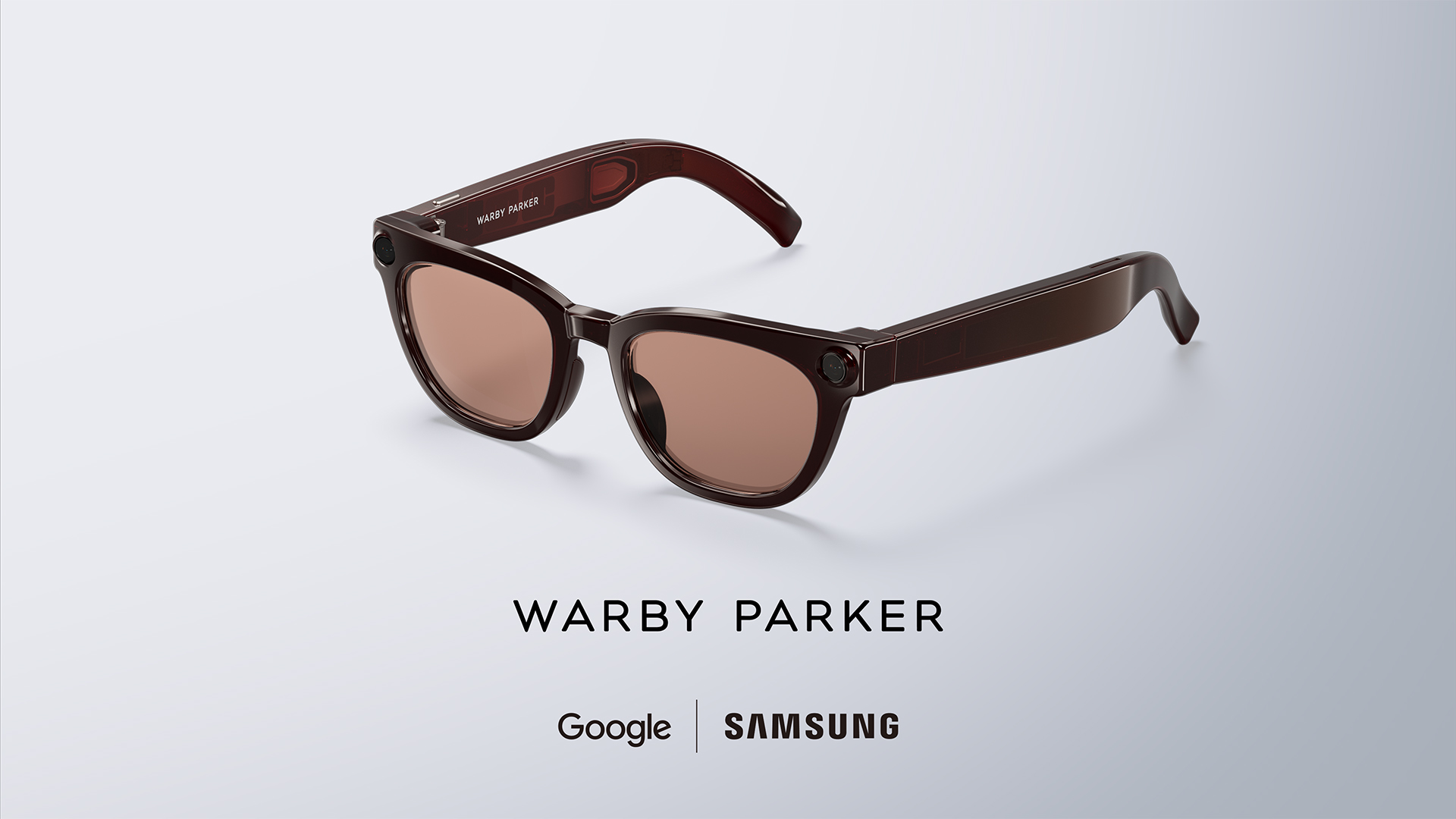
Samsung has just entered the category with its Gemini-powered smart glasses (pictured below), developed alongside Google, Qualcomm, Gentle Monster and Warby Parker. The display-free glasses include a recording indicator light and are expected to disable recording if the LED is covered or obstructed.
Apple is also expected to promote on-device processing, avoid facial recognition and steer clear of systems that continuously analyse a wearer’s surroundings.
The company reportedly does not plan to use footage from customers’ glasses to train AI models or allow contractors to review recordings.
The glasses are also expected to support Siri, music playback, calls and AI-powered visual features that can identify objects, places and other information in a user’s surroundings.
Privacy will be particularly important for Apple, which has spent years positioning itself as a more privacy-focused alternative to competing tech companies.
Apple also risks repeating the challenges surrounding AirTags, which were designed to locate belongings but later required additional protections against unwanted tracking.
Even with safeguards, Apple may face restrictions at schools, hospitals, gyms, courtrooms and other locations where camera-equipped glasses are already prohibited.