Apple Reportedly Plans Major Shift To Twice-Yearly IPhone Releases Starting With IPhone 18 Line
 April Ossington
21 Nov 2025
April Ossington
21 Nov 2025

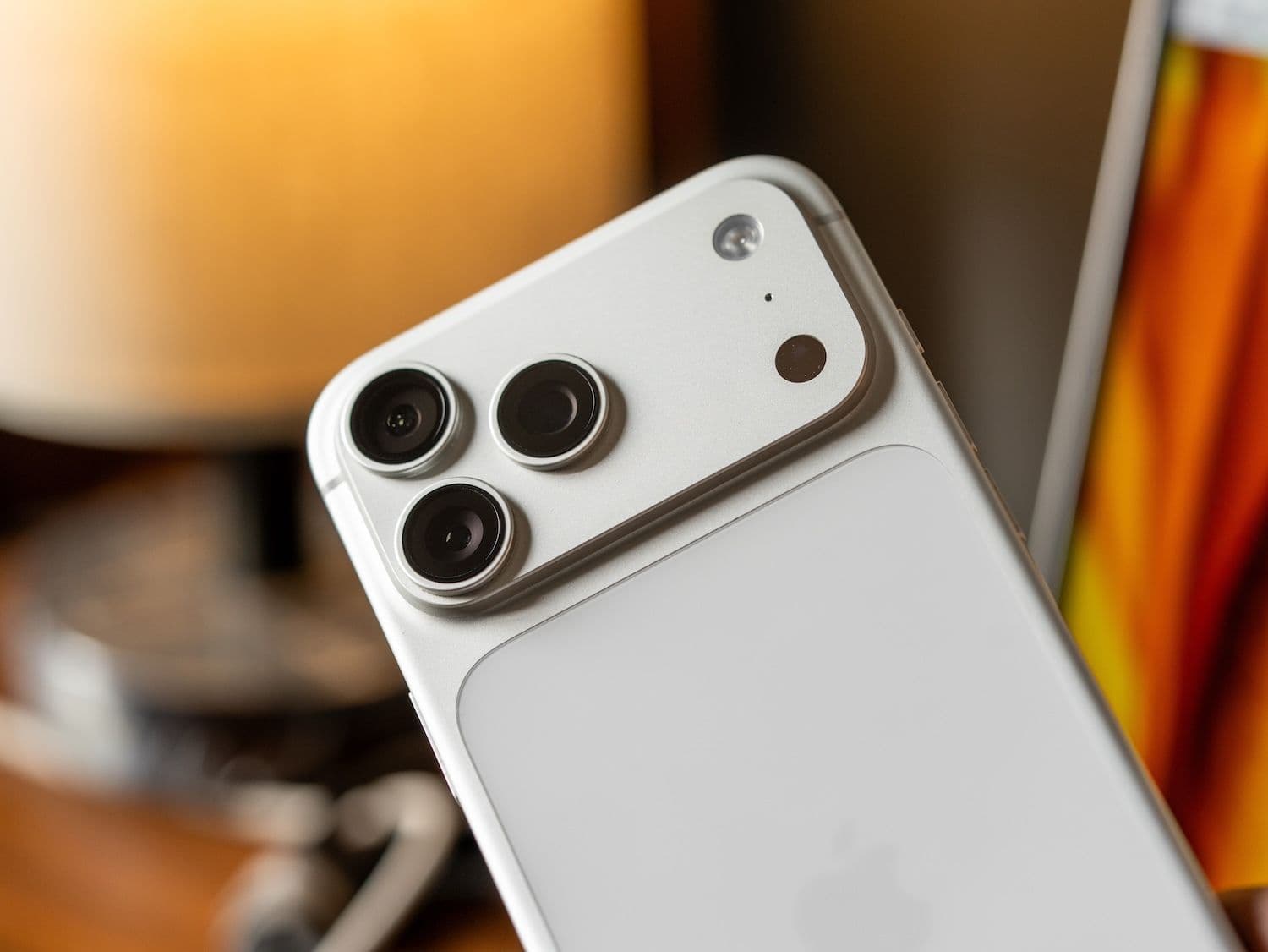
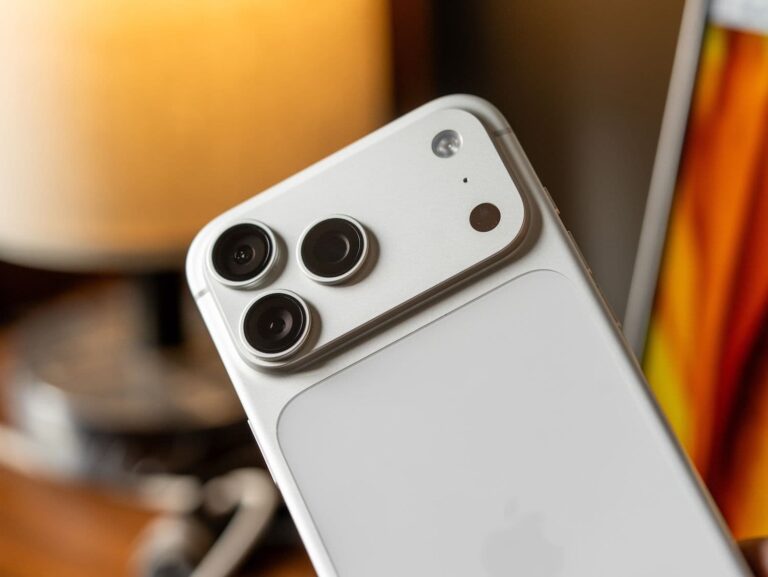
After more than a decade of unveiling its newest iPhones in the US autumn, Apple is reportedly preparing a major overhaul of its release strategy. According to Mark Gurman in Bloomberg’s “Power On” newsletter, the company plans to move to a twice-yearly launch cycle beginning with the iPhone 18 generation. Under the new schedule, three high-end models, the iPhone 18 Pro, iPhone 18 Pro Max, and the long-rumoured iPhone Fold, are expected to arrive in the US autumn of 2026. The standard iPhone 18 and the lower-cost iPhone 18e would then debut in US spring 2027.
Gurman says, “I expect this pattern to continue for years to come, with Apple launching between five and six new models annually.” This shift would mark one of the biggest changes in Apple’s smartphone strategy since the product line began.
Possible New Additions and Ongoing Uncertainty
Alongside the US spring 2027 launch of the iPhone 18 and iPhone 18e, Apple may introduce a new iPhone Air, according to Gurman. However, separate reports claim that Apple has cancelled its ultra-thin iPhone Air 2 project, which was also expected to appear around that time. With Apple’s secretive hardware roadmap, it is not yet clear whether the iPhone Air branding will return or remain shelved.
Rumours that Apple would split the iPhone 18 release window have circulated since May, but Gurman’s reporting lends significant weight to the speculation. He notes that packing all flagship models into the fall window “eventually became a burden,” creating fewer opportunities to spread revenue across the year while putting heavy pressure on Apple’s marketing and engineering groups.
Recent challenges, including a slow and staggered rollout of Apple Intelligence in 2024 and delays to the revamped Siri voice assistant, have made the limitations of the current schedule more visible inside the company.

How the New Schedule Works
If the plan moves forward, Apple will adopt a new rhythm where high-end models arrive in September, and more affordable options follow six months later. This approach not only distributes Apple’s marketing load more evenly but also creates a financial incentive for customers to gravitate toward its most powerful and most expensive devices first.
For consumers who prefer the standard models, the split means a longer wait. It also means that buyers of the iPhone 18 or iPhone 18e may miss out on features that remain exclusive to the premium models. Apple’s Pro devices have increasingly become the showcase for new designs and technologies, and a staggered calendar would amplify that effect.
A New Era for the iPhone Line
If this strategy holds, Apple will shift from a single annual iPhone wave to a rolling cycle that keeps new hardware in the spotlight year-round. With between five and six models planned annually, the company appears ready to embrace a more aggressive, more flexible release structure. The iPhone 18 line will be the first test of whether this approach can ease internal strain, boost revenue consistency, and maintain the excitement that has defined the iPhone for more than fifteen years.