Apple Refreshes Airtag With Longer Reach And Louder Alerts While Keeping The Price Steady
 April Ossington
Apple has quietly updated its AirTag tracker, introducing a revised version that focuses on practical upgrades rather than a visual redesign. The small disc-shaped accessory now offers greater tracking range, a more powerful speaker and tighter integration with newer Apple Watch models, while remaining priced in line with the original.
The updated AirTag uses a newer Bluetooth chip that extends its effective locating distance by around 50 per cent compared with the first generation. This means users can detect misplaced items from farther away when using Apple’s Find My tools. Apple has also increased the speaker volume by 50 per cent and added a new alert sound designed to stand out more clearly in noisy environments, making it easier to pinpoint keys, bags or luggage.
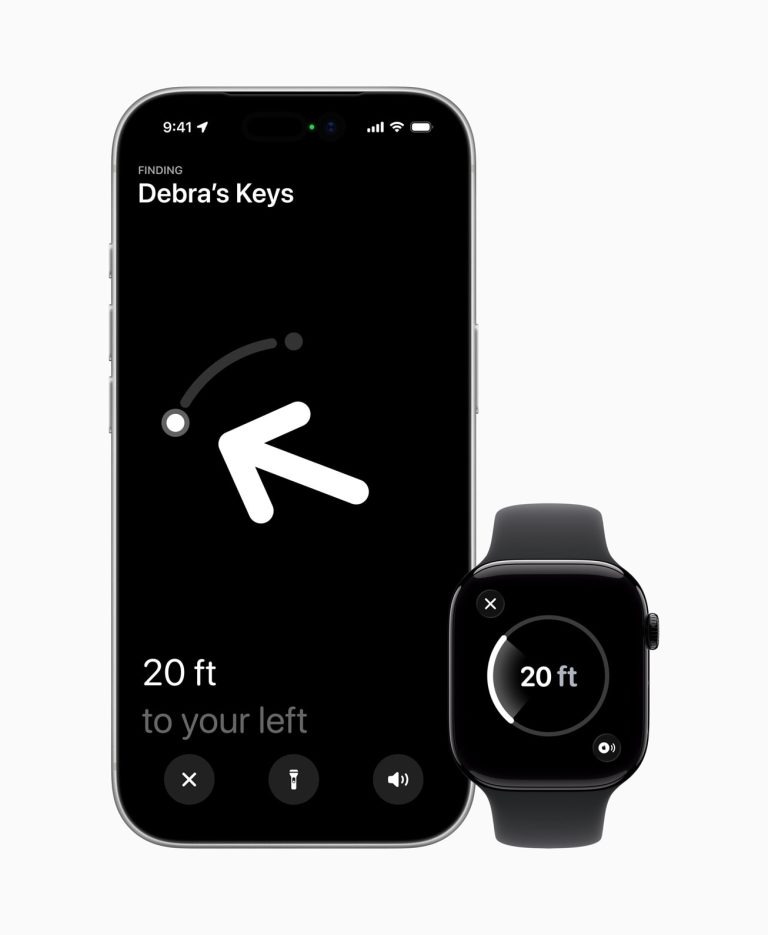
For the first time, AirTag tracking is also available directly on compatible Apple Watches. Owners of Apple Watch Series 9, Apple Watch Ultra 2 and later models can now check the location of an AirTag from their wrist, reducing the need to reach for an iPhone when searching for lost items.
Despite the internal changes, the AirTag’s external design remains unchanged. This means it continues to work with the wide range of existing accessories, including keyrings, luggage tags and bike mounts. The updated model is available now at the same price point as before, selling individually for about $A45, with a four-pack priced at roughly $A150.
Apple continues to stress that AirTag is intended for tracking personal belongings rather than people or animals. The company says built-in safeguards remain in place to reduce the risk of misuse, including alerts that notify users of unknown trackers nearby. These warnings work across both iOS and Android devices, reflecting ongoing concerns around unwanted tracking.
Like its predecessor, the new AirTag relies on Apple’s Find My network, which uses nearby Apple devices to anonymously detect and relay the location of a missing item back to its owner. This crowd-sourced system is a key part of how AirTags function beyond Bluetooth range.
Apple has also expanded recovery options in recent years. In 2024, it introduced a Share Item Location feature that allows users to temporarily share an AirTag’s location with trusted third parties, such as airline staff, to help recover misplaced luggage.
Apple is not alone in this space. Rivals including Samsung and Motorola offer their own item trackers, many of which use ultra wideband technology to provide precise location data. Still, Apple’s latest update shows the company refining a product that has become a common everyday tool for keeping track of valuables.