Apple Goes on the Offensive: Cheap Macs and iPhones Set to Shake Up Global Tech Market
 David Richards
05 Mar 2026
David Richards
05 Mar 2026
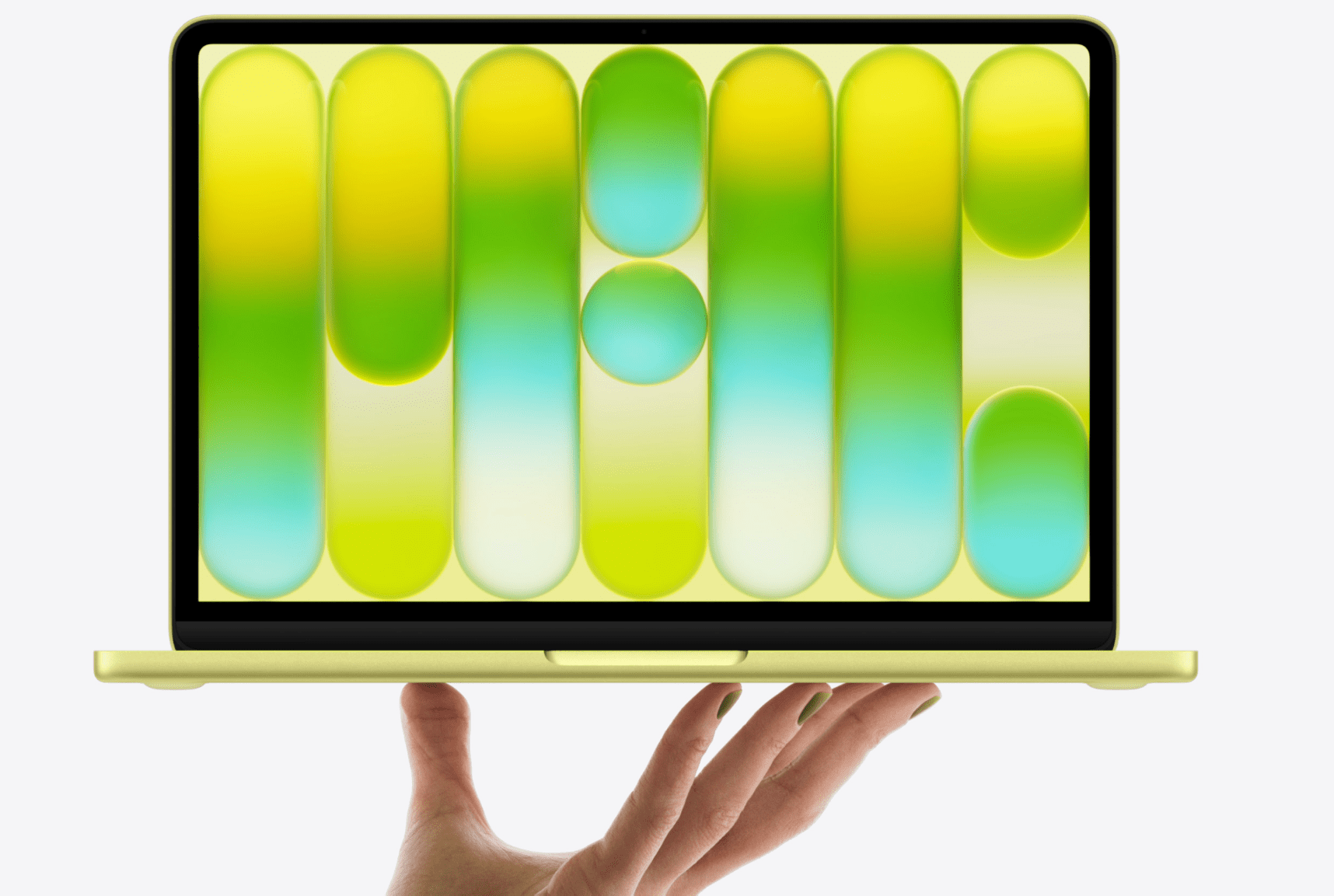
Apple is preparing to disrupt the global consumer electronics market with an aggressive push into lower-priced devices, a move analysts say could drive massive retail traffic at stores including JB Hi Fi, The Good Guys and Harvey Norman, while putting intense pressure on competitors already struggling with soaring component costs.
The strategy comes as the tech industry faces a deepening memory shortage that is pushing up the cost of key components used in smartphones and PCs. Rather than retreat, Apple appears to be exploiting the crisis to expand market share.
“Apple is going into attack mode. They see the memory crisis as an opportunity to gain market share,” said Francisco Jeronimo, vice president at research firm IDC.
For consumer electronics retailers in Australia, the move could be a lifeline.
A major retailer said Apple products have always driven store traffic, but the prospect of lower prices could be even more powerful.
“Apple has always been a traffic driver, especially when a new product is launched,” the retailer said. “Low prices and Apple don’t normally go together — and right now we need traffic.”
New Macs Target Upgraders
Apple this week unveiled several new notebooks, including models powered by upgraded chips designed to improve AI workflows with more memory capacity and longer battery life.
Wedbush Securities analyst Dan Ives believes the refreshed Mac lineup will attract a wave of laptop upgrades.
“With nearly half of Mac buyers still new to the platform, we believe this will provide incremental upside to Mac sales,” Ives said.
The timing is significant. Apple suffered a dramatic slump in Mac shipments in early 2023 as the global PC market slowed sharply, with shipments falling about 40% in the first quarter.
But the company rebounded later that year as its Apple Silicon chips reignited consumer interest. By 2025, Mac momentum had strengthened significantly. Apple shipped about 5.5 million Macs in the first quarter of 2025, lifting its global PC share to around 8.7%.
In the second quarter of 2025, shipments climbed to 6.2 million units, marking a 21.4% year-over-year increase, the fastest growth among the top five PC vendors.
Despite the growth, Apple still trails Lenovo, HP and Dell, leaving substantial room to expand.
Windows Turmoil Creates an Opening
Another factor fueling Apple’s momentum is the approaching end of support for Windows 10 in 2025, which is forcing businesses and consumers to upgrade their computers.
Some are choosing Macs instead of buying new Windows PCs, analysts say, particularly as frustration grows over issues linked to the Windows ecosystem and Microsoft 365.
Apple’s strategy appears aimed at pulling more users into its tightly integrated iOS and macOS ecosystem, potentially eroding Microsoft’s dominance in the PC market.
Smartphone Market Faces Historic Drop
The aggressive pricing strategy is unfolding at a time when the global smartphone market is under severe pressure.
IDC forecasts that smartphone shipments will fall 13% this year, the largest drop on record, driven by surging costs for memory and storage chips.
Demand for AI servers — which use the same components — has pushed chip prices sharply higher.
The biggest casualties are expected to be low-priced Android devices, which analysts say may become unprofitable to manufacture.
Chinese smartphone makers and mid-range brands could be particularly vulnerable if Apple maintains competitive pricing on its entry-level devices.
When Apple announced its new entry-level iPhone 17e, the starting price remained $999 at JB Hi-Fi, matching last year’s model. Meanwhile, newly introduced MacBooks have come in cheaper than many analysts expected.
“All other smartphones in the same price band will see price increases,” Jeronimo said. “This opens an opportunity for consumers to move from Windows and Android to iOS, and from Chromebooks and PCs to a Mac.”
Memory Crisis Reshapes the Industry
The global memory shortage is largely being driven by demand for artificial intelligence infrastructure. Memory and storage chips are essential for both consumer devices and AI data centres.
Samsung, one of the world’s largest memory suppliers, currently holds a significant advantage in pricing and supply — a dynamic that has created major challenges for device makers.
Apple, however, may be better positioned than its rivals due to its scale and financial strength.
“Given unprecedented shortages in memory, Apple has a unique opportunity to gain share over lower-end Android smartphone makers who cannot secure enough memory,” Bernstein analyst Mark Newman wrote in a note to clients.
Still, rising component costs will not spare Apple entirely.
Apple CEO Tim Cook recently warned that the company expects memory prices to increase significantly, with the impact on profits becoming more noticeable starting this quarter.
Bernstein estimates the cost of producing Apple’s upcoming iPhone 18 Pro Max could rise as much as 25%, driven by higher prices for memory, storage and processor chips.
Premium Prices to Offset Budget Push
To protect margins, Apple may raise prices on its premium products — a strategy it has already used with recent MacBook Air and MacBook Pro models.
If successful, the tactic would allow Apple to push aggressively into lower price tiers while still maintaining its industry-leading profitability.
For competitors already squeezed by rising costs, the move could be devastating.
For Apple, it may represent one of the biggest market-share opportunities the company has seen in years.