Apple Gains Ground As Delayed Samsung Launch Shakes Up Smartphone Market
 April Ossington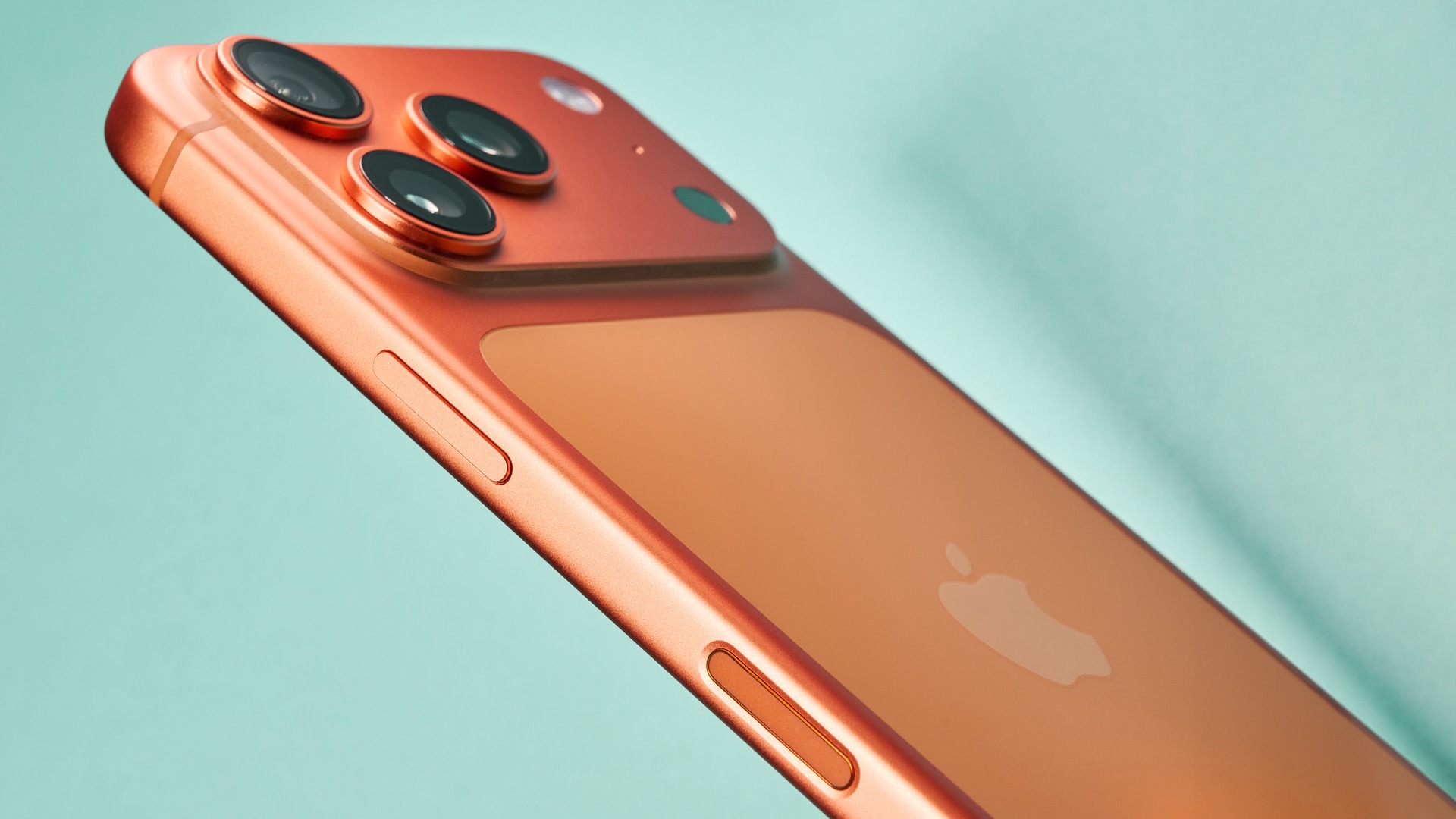
Apple strengthened its position in the US smartphone market during the first quarter of the year, outperforming rivals in a period marked by declining overall shipments and growing pressure on lower-cost devices.
New figures from Counterpoint Research showed total smartphone shipments in the US fell 5.7 per cent compared with the same period last year. Despite the broader downturn, Apple recorded strong momentum driven by demand for the iPhone 17 lineup and the delayed arrival of Samsung’s Galaxy S26 series.
According to the research firm, supply shortages late last year created pent-up consumer demand for Apple’s latest devices, while Samsung’s decision to launch the Galaxy S26 range in mid-March temporarily weakened competition in the premium smartphone category.
Counterpoint senior analyst Tyler Graham said the US premium smartphone market remains heavily concentrated among a small number of brands including Apple, Samsung, Google and Motorola. He noted that when one company delays a flagship launch, competitors are often able to capture additional sales during the gap.
Apple also benefited from its approach to the lower-cost iPhone 17e. The company reportedly kept pricing unchanged from the previous generation while increasing the base storage configuration to 256GB despite rising component costs, particularly for memory.
Analysts said Apple’s broader ecosystem of subscription services, cloud offerings and entertainment products gives the company greater flexibility to absorb hardware cost increases than many Android competitors.
The weakest part of the market during the quarter was the budget smartphone segment. Counterpoint said lower-income households in the US faced financial pressure despite slightly higher tax refund payments than the previous year, with increased petrol prices offsetting much of the additional spending power.
Tax season typically boosts prepaid smartphone sales in the United States, particularly among budget-conscious consumers, but analysts said that trend was noticeably weaker this year.
Samsung and Motorola were among the few brands performing relatively well in the prepaid category, increasing their combined share of prepaid phone sales from 58 per cent to 65 per cent.
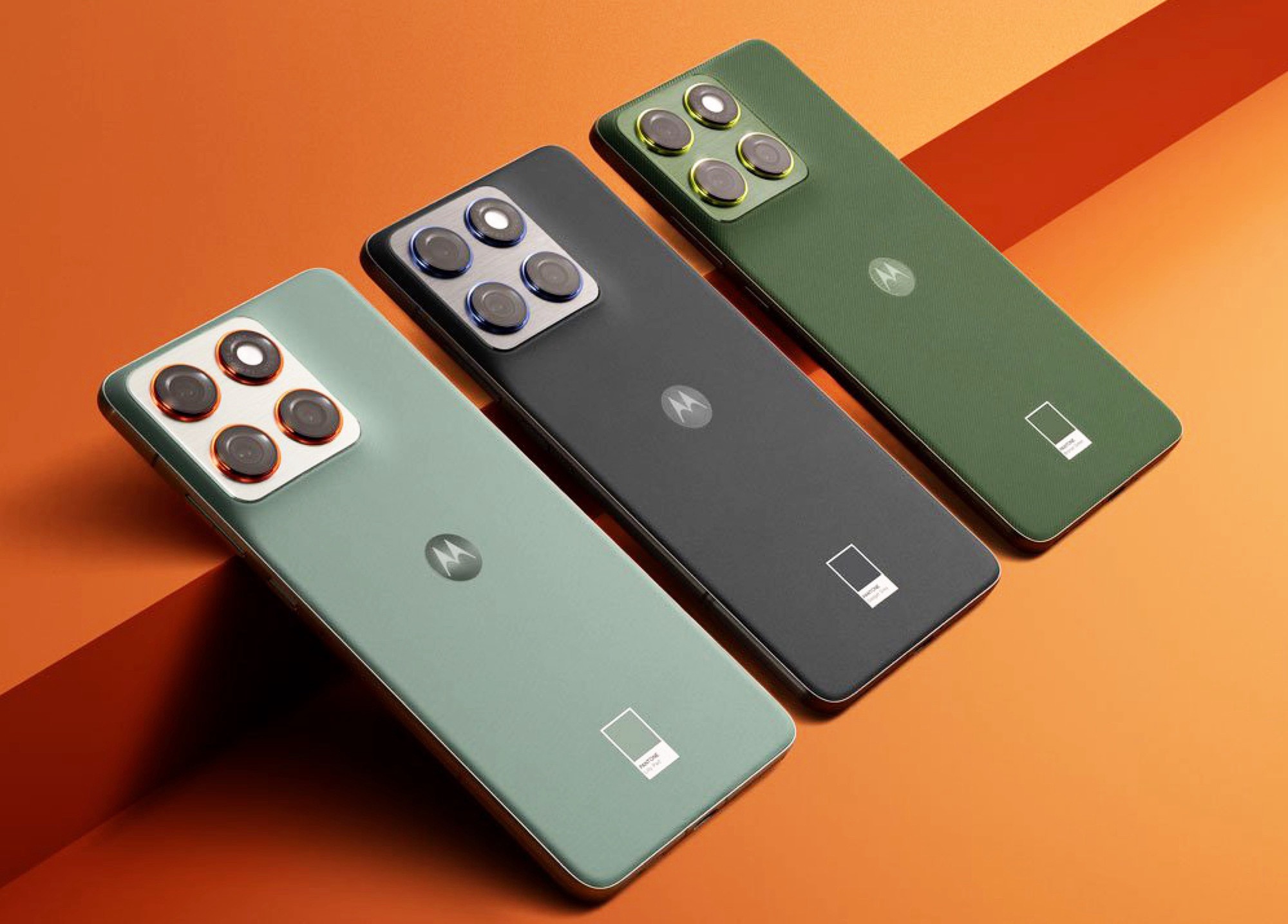
Motorola Edge
Counterpoint suggested smaller manufacturers are increasingly struggling to compete as higher memory costs and tighter margins pressure the low-end smartphone market. Some brands have reportedly delayed launching updated devices, reduced specifications or scaled back operations altogether.
Companies including TCL and HMD were identified as facing mounting challenges keeping pace with the marketing strength and distribution scale of larger competitors such as Samsung and Motorola.
The US market trends broadly mirror conditions globally. Research firm IDC previously estimated worldwide smartphone shipments reached 289.7 million units during the first quarter, representing a 4.1 per cent decline year-on-year.
IDC said rising RAM prices have increased manufacturing costs across the industry, leading some smartphone makers to reduce hardware specifications in an effort to maintain affordable pricing.
According to IDC, Apple and Samsung were the only two companies among the world’s five largest smartphone manufacturers to achieve annual shipment growth during the quarter.
Analysts expect memory shortages to remain a major issue in the near future as artificial intelligence companies continue purchasing large amounts of RAM for expanding data centre infrastructure, limiting relief for smartphone makers already facing higher production costs.