Apple Eyes 10 New Product Categories in Major Hardware Push
 Joe Gallop
28 Apr 2026
Joe Gallop
28 Apr 2026

Apple is preparing its biggest hardware expansion in years, with reports suggesting the company is targeting entry into around 10 new product categories under incoming CEO John Ternus.
The leadership shake-up, set to see Tim Cook step aside and long-time engineering chief Ternus take the helm, comes at a pivotal moment for the company.
While Apple remains highly profitable with a mature product lineup, it has faced criticism over a slow start in AI, prompting a renewed focus on innovation and hardware differentiation.
According to multiple reports, Apple’s next phase will be defined by a wave of new devices, headlined by its long-rumoured foldable iPhone. Expected to launch as a premium-tier model, potentially branded ‘iPhone Ultra’, the device would mark Apple’s first entry into the foldables market – years after rivals like Samsung.
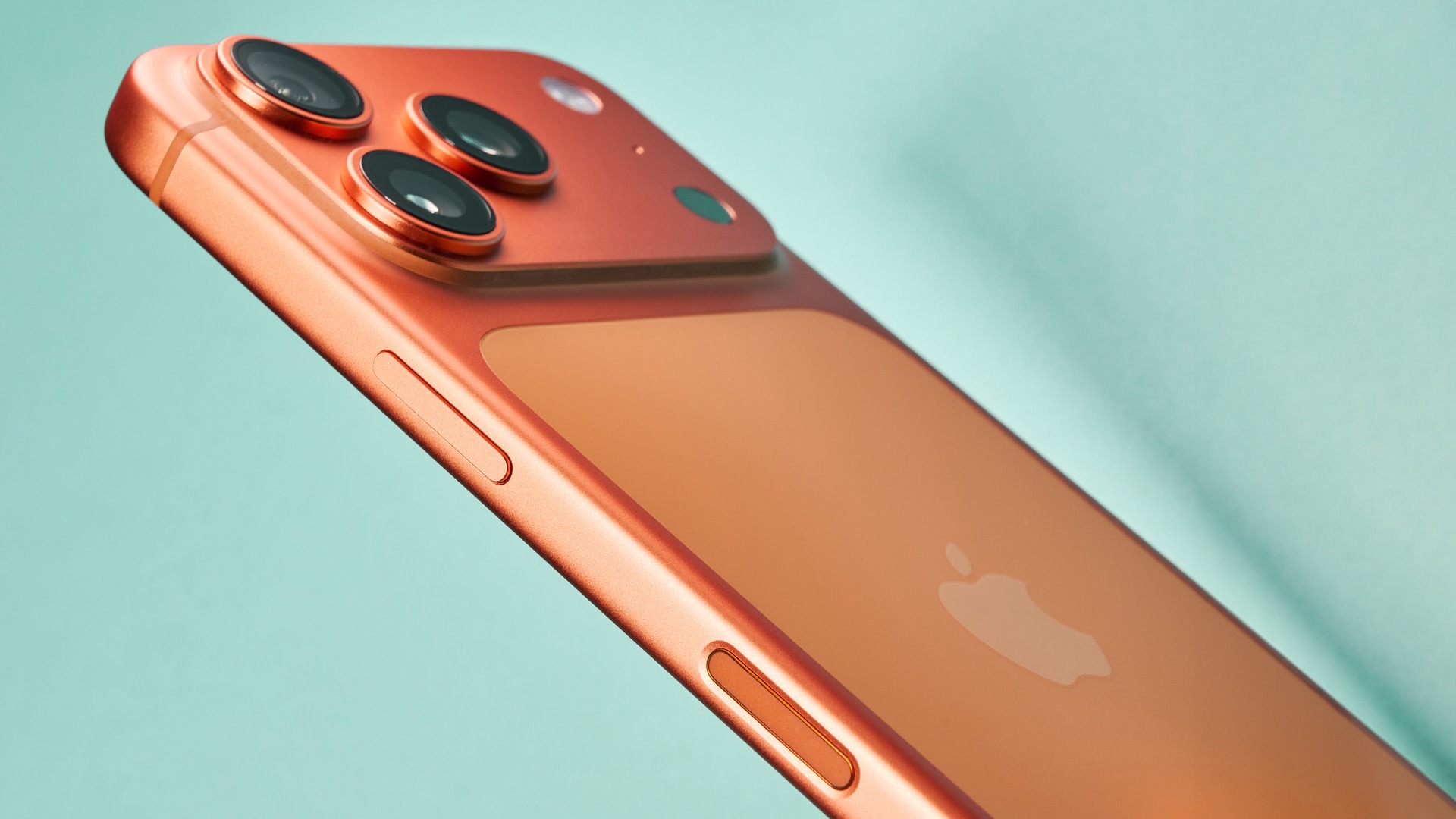
Beyond smartphones, Apple is reportedly expanding its ‘Ultra’ branding across its portfolio, positioning these devices as its most advanced and expensive offerings. This could include a high-end MacBook with an OLED touchscreen, as well as future iPad and AirPods variants.
The broader roadmap points to a significant shift. During Cook’s tenure, Apple introduced just three major new categories – Apple Watch, AirPods, and the Vision Pro headset. In contrast, Ternus is expected to oversee a much broader expansion spanning smart home, wearables and AI-driven devices.
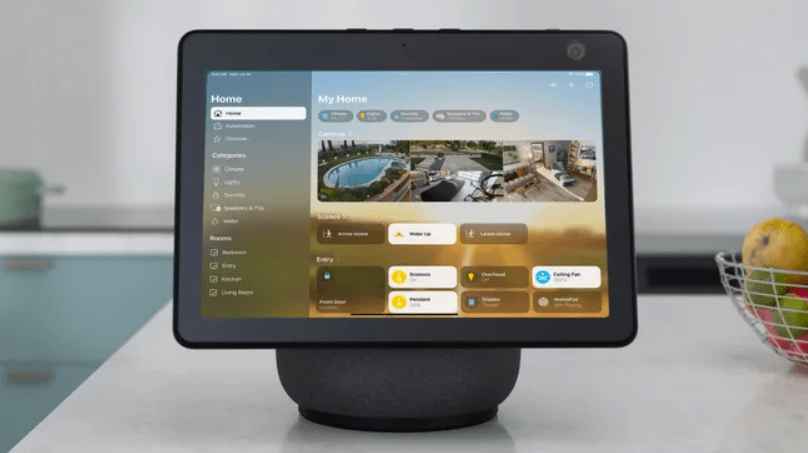
Among the products in development are a wall-mounted smart home hub, security cameras and even a tabletop robotic device designed for home interaction. Apple is also exploring next-generation wearables, including camera-equipped AirPods and smart glasses aimed at competing with Meta’s Ray-Ban AI offerings.
AI is expected to underpin much of this strategy. Future devices are likely to integrate advanced on-device intelligence, supported in part by partnerships such as Apple’s reported collaboration with Google’s Gemini AI.
The expanded lineup could intensify competition in smart home and wearable categories where Apple has historically lagged Amazon and Google.