Apple Delays Advanced Siri AI Upgrade to Spring 2026 Amid Internal Restructuring
 Isabella Alexiou
13 Jun 2025
Isabella Alexiou
13 Jun 2025

Apple has set an internal target of spring 2026 for releasing its significantly delayed Siri AI upgrade, marking nearly two years between the feature’s announcement and planned delivery to customers.
The enhanced voice assistant will launch as part of iOS 26.4, typically released in March, according to sources familiar with the development timeline.
The upgrade will enable Siri to access personal data and on-screen activities for improved query responses, along with App Intents functionality for precise application control across Apple devices.
Apple originally unveiled the next-generation Siri features at its June 2024 Worldwide Developers Conference, initially targeting fall 2024 availability alongside the iPhone 16 launch.
The timeline subsequently shifted to spring 2025, then May 2025 with iOS 18.5, before being postponed indefinitely in March 2025.
The delays stemmed from technical challenges where Siri’s architecture was split between existing systems for basic tasks and newer platforms for advanced features.
Engineering difficulties prevented proper functionality approximately one-third of the time, necessitating a complete rebuild of the voice assistant.
The prolonged delays triggered significant organisational changes within Apple’s AI division.
Senior Vice President of AI John Giannandrea was stripped of consumer-facing product oversight, including Siri and the company’s robotics unit.
Vision Pro creator Mike Rockwell and software chief Craig Federighi now oversee voice assistant development.
Internal friction emerged between AI engineering teams and marketing departments, with engineers blaming marketing for overpromising capabilities while marketing maintained they operated on engineering-provided timelines.

Giannandrea has maintained a lower profile following the restructuring, focusing primarily on underlying AI research and large language model development.
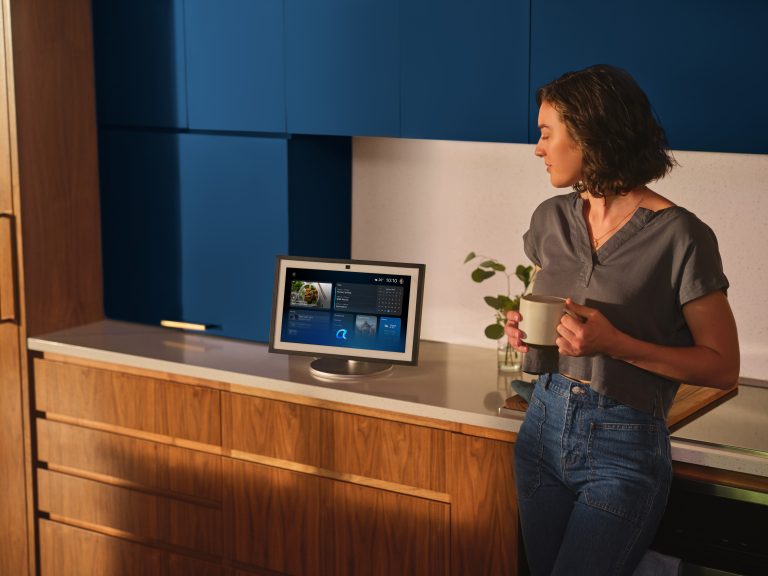
The Siri delays have cascaded to other product categories, forcing the postponement of a planned smart home hub originally scheduled for March 2025.
The wall-mounted or desk-based device relies heavily on the advanced Siri features for its operating system functionality.
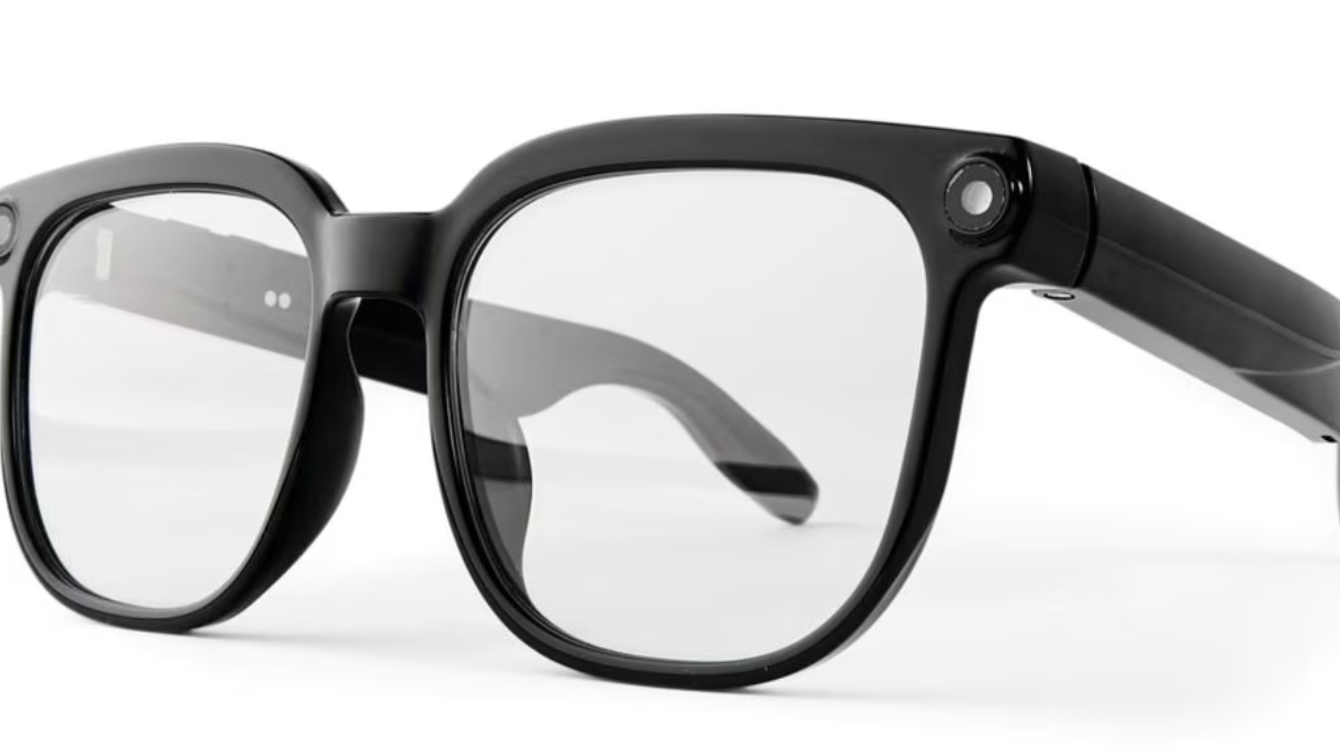
Future hardware initiatives may also face constraints, including planned smart glasses with AI-enhanced cameras for environmental scanning.
Apple currently depends on OpenAI and Google partnerships for image analysis capabilities rather than on in-house solutions.
At this week’s Worldwide Developers Conference, Apple announced sweeping design overhauls across platforms but introduced limited new AI features beyond developer access to large language models and live translation capabilities.
Software chief Craig Federighi acknowledged the Siri delays, stating the work “needed more time to reach our high-quality bar.”
Apple executives sought to frame the Siri postponement as part of a broader AI strategy requiring multi-year development, though the delays have already impacted product roadmaps and market positioning in the competitive AI assistant landscape.
The company continues exploring additional AI initiatives, including a chatbot application called Knowledge for web access and more conversational, always-on assistant capabilities, while internal debates persist over balancing in-house development versus partner integrations.