Apple and Samsung Hit Roadblocks in Developing Giant Foldable OLED iPad
 David Richards
22 Oct 2025
David Richards
22 Oct 2025

Apple’s ambitious plan to launch a giant foldable iPad has hit a major setback, with sources indicating that the device — originally expected around 2029 — is now delayed as Apple and Samsung work through significant design and engineering challenges.
The project, built around an 18-inch foldable OLED display co-developed with Samsung Display, has been plagued by weight, cost, and display issues. The proposed device, internally code-named J312, was set to cost more than A$4,000, roughly three times the price of a 13-inch iPad Pro.
When closed, the foldable iPad reportedly resembles a MacBook, featuring an aluminium enclosure on both sides. When opened, it expands to a screen size similar to a 13-inch laptop. However, current prototypes weigh over 1.5 kilograms, prompting engineers to look for ways to significantly reduce weight without compromising durability or screen quality.
According to Bloomberg, Apple and Samsung have been attempting to minimise the screen crease typically seen in foldable devices — a problem that continues to affect Samsung’s own Galaxy Flip, with users still reporting display creasing after about a year of use.
People familiar with the project say the device shares similarities with Huawei’s MateBook Fold, an 18-inch foldable tablet launched earlier this year in China. Huawei’s version weighs around a kilogram less than Apple’s prototypes and retails for about US$3,400 (A$5,300).
Apple’s effort to create a foldable iPad is part of a broader push to reinvigorate its tablet lineup, which has seen slowing demand as more consumers shift toward Mac laptops. While iPad sales are expected to rise slightly this year, revenue remains well below the company’s 2021 peak.
Last week, Apple refreshed the iPad Pro with the new M5 chip, and more modest updates are planned for the iPad Air and entry-level iPad in early 2026 — featuring M4 and A18 processors respectively.
Beyond tablets, Apple is exploring several new product categories, including smart home speakers with built-in home controls, smart glasses, and even a tabletop robot device.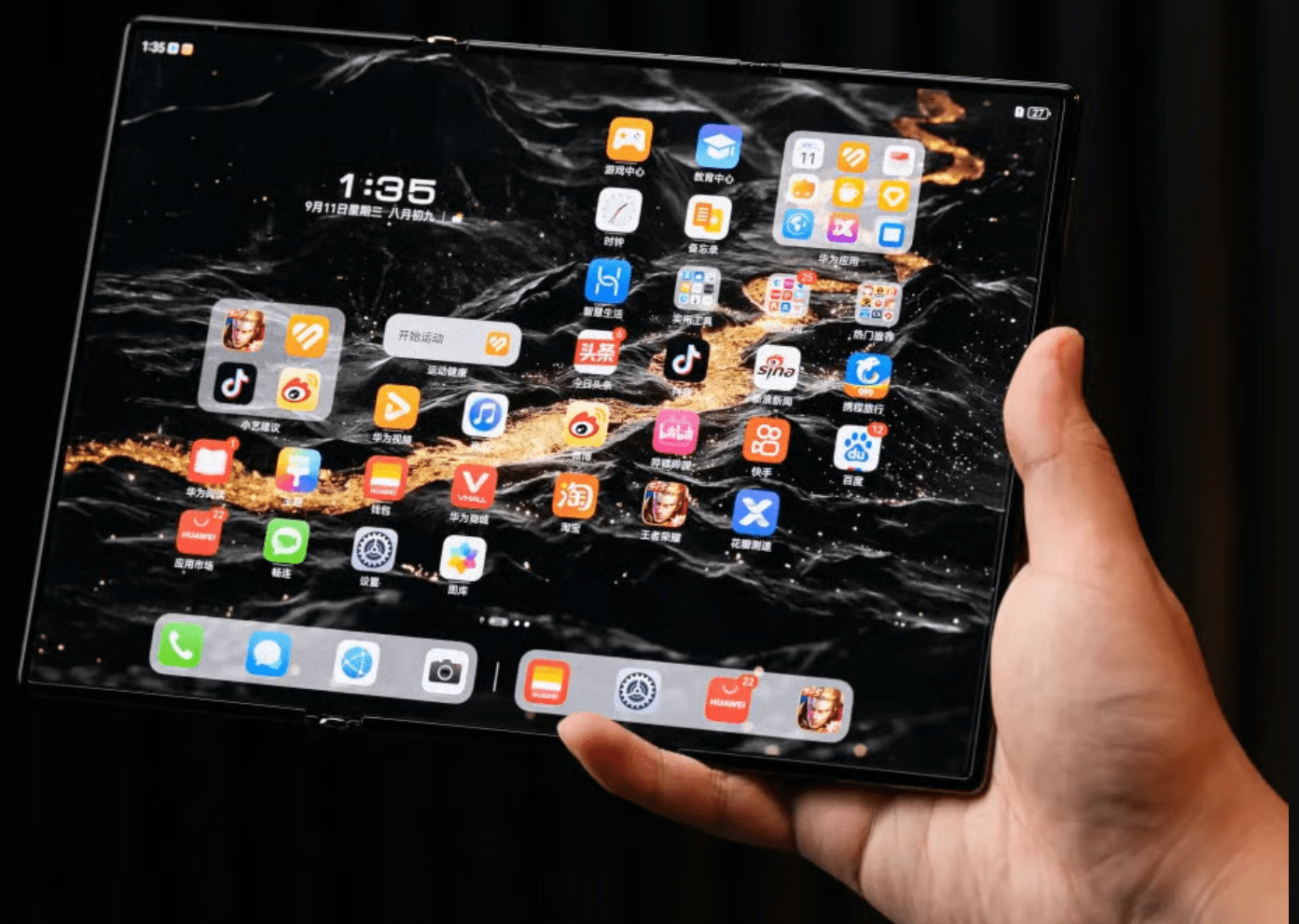
However, the fate of the foldable iPad remains uncertain. Some insiders have expressed doubts that it will ever reach production, citing similarities with rival devices and persistent design complications.
Apple has a long history of investing heavily in experimental hardware only to cancel projects that fail to meet its standards or business goals. The company famously scrapped its decade-long autonomous car project in 2024 and more recently shelved a cheaper, lighter version of its Vision Pro headset, known internally as N100, after years of development.
If Apple does manage to overcome the current hurdles, the foldable iPad could mark a major leap forward — and a signal that Apple is ready to compete seriously in the fast-growing foldable device market dominated by Samsung, Google, Lenovo, and Huawei.