Half A Billion People Use His Products Every Day, They Also Drive Big Sales At CE Retailers So What’s Next?
 David Richards
10 Jun 2026
David Richards
10 Jun 2026
Sitting in a bright turquoise-blue meeting space at Logitech’s Australian headquarters, I recently caught up with one of the executives who has helped shape the way hundreds of millions of people interact with technology every day.
For more than two decades, Art O’Gnimh has worked alongside Logitech’s industrial designers, engineers and colour, material and finish (CMF) specialists to influence the shape, feel and functionality of products that have become staples in homes and offices worldwide.
From the humble computer mouse and keyboard through to webcams, headsets and sophisticated productivity tools, Logitech products today reach more than half a billion users globally and continue to drive strong sales for Australian retailers such as JB Hi-Fi, Harvey Norman and Officeworks.
During the pandemic, Logitech became one of the biggest beneficiaries of the sudden shift to remote work, with demand for webcams, keyboards and productivity accessories soaring as millions of workers transformed spare bedrooms, kitchens and dining tables into makeshift offices.
Swiss-born O’Gnimh speaks with equal passion about the colours and materials used in Logitech products as he does about the engineering and ergonomics that underpin them. It is perhaps this balance between design and practicality that has helped Logitech evolve from a company best known for computer peripherals into a global workspace technology brand.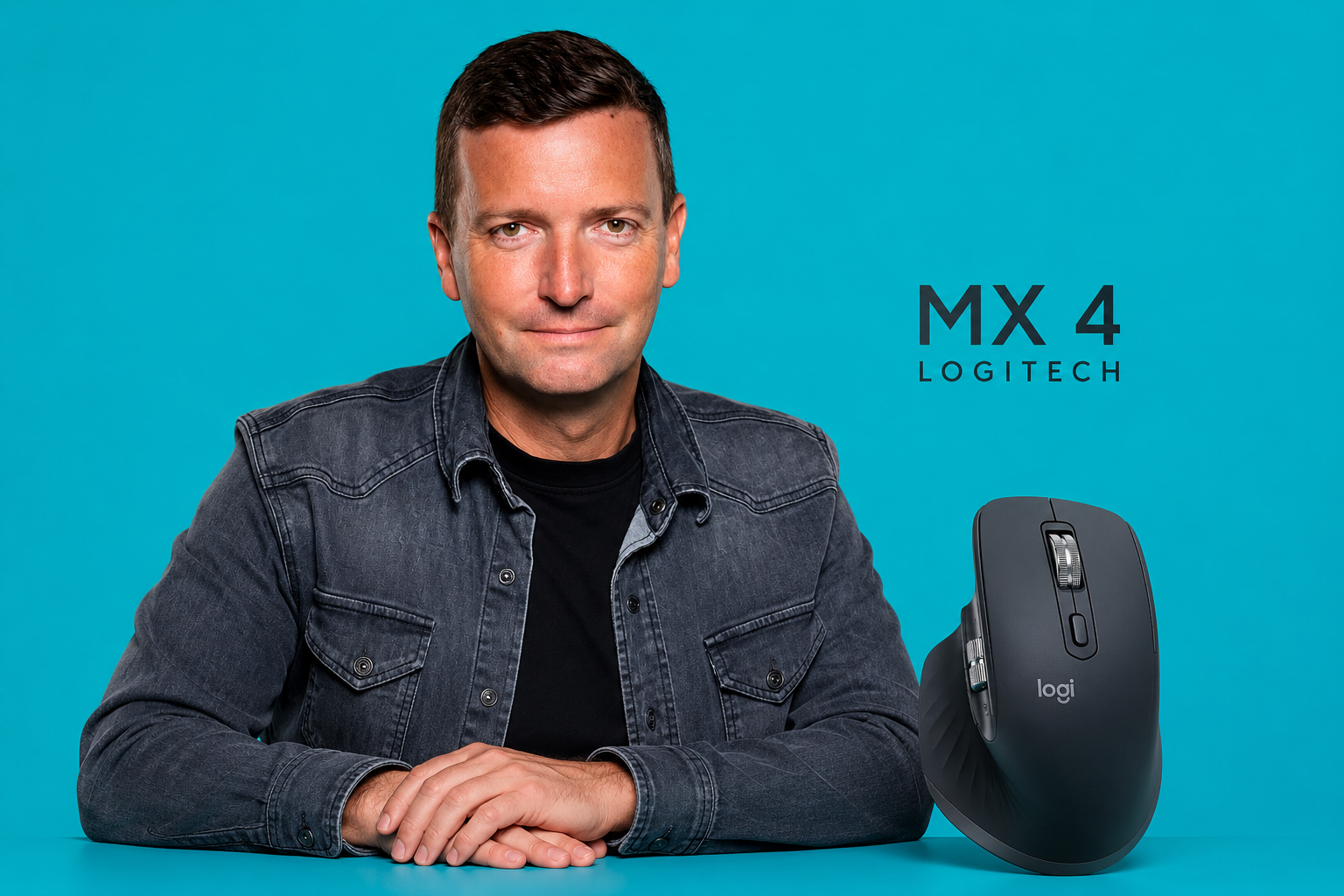
What surprised me most during our conversation was learning how seemingly small adjustments in the way people use technology can dramatically improve their wellbeing. A different mouse angle, an elevated notebook stand or a redesigned keyboard can significantly reduce strain on the neck, shoulders, wrists and arms.
According to Logitech’s research, as many as 60 per cent of people finish the working day experiencing some form of physical discomfort due to poor workplace setups and unhealthy technology habits. As traditional office environments give way to hybrid work arrangements, the challenge has become even greater.
“The workplace is no longer a place,” O’Gnimh explained. “Work now happens everywhere.”
Whether employees are working from home, a corporate office, a university campus, a coffee shop or an airport lounge, they face many of the same challenges around comfort, productivity and collaboration. Solving those problems has become central to Logitech’s future strategy.
For O’Gnimh, embracing the future workplace means far more than simply designing a better mouse or keyboard. His role is to understand how work itself is changing and how technology can adapt to support those changes.
While Logitech’s sales and marketing teams focus on growing market share, his team studies human behaviour, workplace trends and emerging technologies. The objective is to develop tools that help people work more effectively regardless of where they happen to be.
That mission has become increasingly important as hybrid work evolves from a pandemic necessity into a permanent business model. Employees today expect flexibility in where and how they work, while employers want to maintain productivity, collaboration and workplace culture.
Adding another layer of complexity is the emergence of artificial intelligence.
Logitech has already begun integrating AI capabilities into its software ecosystem and productivity products, allowing users to automate tasks, streamline workflows and interact more naturally with their devices. O’Gnimh believes AI will fundamentally change how people use workplace technology over the next decade.
The company itself has undergone a remarkable transformation during his tenure.
Founded in Switzerland in 1981, Logitech initially built its reputation on computer mice before expanding into keyboards, speakers, webcams and gaming peripherals. Today the company operates across multiple categories including business collaboration solutions, video conferencing systems, gaming products, streaming equipment, tablets and mobile accessories.
Much of that expansion accelerated under former CEO Bracken Darrell, who helped reposition Logitech as a premium technology and design brand while pursuing strategic acquisitions in areas such as gaming and content creation.
Today the company is led by CEO Hanneke Faber, whom O’Gnimh describes as “a brilliant marketer” with a strong understanding of how technology brands connect with consumers.
O’Gnimh himself has played a key role in Logitech’s evolution, helping drive categories such as keyboards, mice and personal workspace solutions. His influence can be seen in products such as the MX series, including the highly successful MX Master productivity mouse range, which has become one of the benchmark devices for professional users.
The latest generation MX products demonstrate how far Logitech has moved beyond simple hardware. Features such as multi-device connectivity, application-specific controls, advanced haptics and AI-enabled workflow integration allow users to work seamlessly across Windows, macOS, Linux and mobile platforms.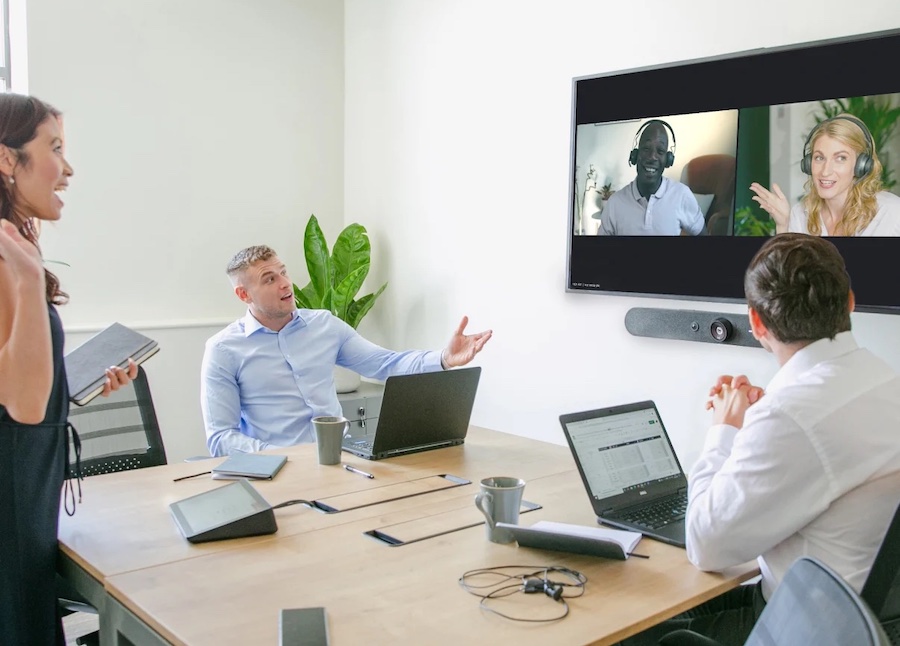
Looking ahead, O’Gnimh is closely watching developments in AI-powered PCs, next-generation processors from companies such as Nvidia and Qualcomm, and the ongoing evolution of operating systems and cloud-based computing platforms.
Australia remains one of Logitech’s most important international markets.
“It’s a special place for Logitech,” he said.
The country has consistently embraced new technology and was one of the markets that experienced particularly strong growth during the remote work boom. Logitech’s broad retail presence and strong relationships with major Australian retailers have helped cement its position as one of the country’s leading workplace technology brands.
As AI becomes increasingly embedded into everyday life, O’Gnimh believes future success will depend on combining human-centred design with practical technological innovation.
“The technology should adapt to people, not the other way around,” he said.
That philosophy extends beyond hardware into Logitech’s broader vision of workplace equity. The company believes technology should ensure that all participants in a meeting or collaboration session have an equal opportunity to contribute regardless of where they are located.
This is particularly important in hybrid meetings, where some participants are physically present while others join remotely.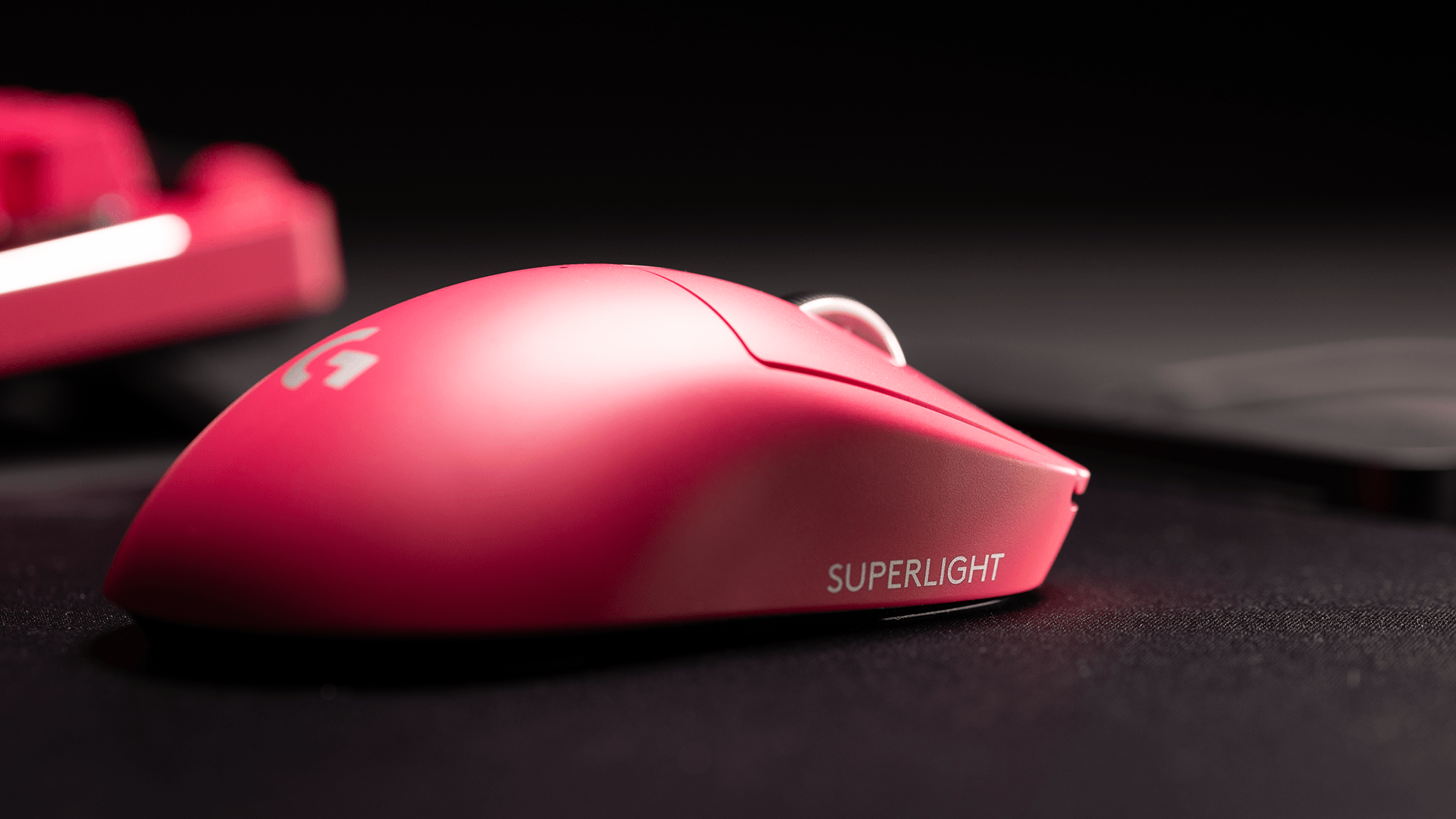
One of the biggest complaints from remote workers is feeling disconnected from conversations taking place inside conference rooms. Logitech is attempting to address this challenge through AI-enhanced video collaboration technologies capable of automatically identifying active speakers, improving camera framing and creating a more natural meeting experience.
The company is investing heavily in smart conferencing solutions that leverage artificial intelligence to improve participation, engagement and communication.
Logitech management believes the future workplace will be increasingly flexible, personalised and hybrid. Rather than forcing people to adapt to rigid workplace systems, technology will become more responsive to individual preferences and working styles.
The ultimate goal, according to O’Gnimh, is simple: create environments that help people become more productive, more creative and more collaborative while reducing the physical discomfort and stress associated with modern work.
As Logitech prepares to unveil a new generation of AI-enabled workplace products, the company is betting that the next major innovation in technology will not be faster processors or brighter screens, but a better understanding of the people using them.
After more than twenty years helping shape Logitech’s products, O’Gnimh remains convinced that technology’s greatest role is not to replace human capability but to enhance it.
And in a world where work can happen almost anywhere, that philosophy may prove more relevant than ever.