Anker Goes Solo After Splitting With Directed Electronics
 David Richards
04 Jun 2026
David Richards
04 Jun 2026
Chinese technology powerhouse Anker Innovations who stripped Australian distributor Directed Electronics of its sales rights to the Anker and Eufy brands, shifting its multi-million dollar business to a directly managed local model, only to discover that weeks later their distributor had picked up the rights to arch rival security camera Company EZIVIZ is set to introduce a new Chinese AI platform that links all their products.
The strategy overhaul leaves Directed Electronics—the firm credited with transforming Eufy into an Australian household name being able to use the information gleaned from selling Eufy to now selling a competitive product.
The commercial split marks the second time in five years that Directed Electronics has built up a massive consumer tech brand only to be cut out.
In 2021, Sony abruptly severed its $30 million annual distribution agreement with the company.
Anker’s transition to its own dedicated subsidiary in Australia coincides with a broader push to protect global profit margins ahead of a potential Hong Kong IPO.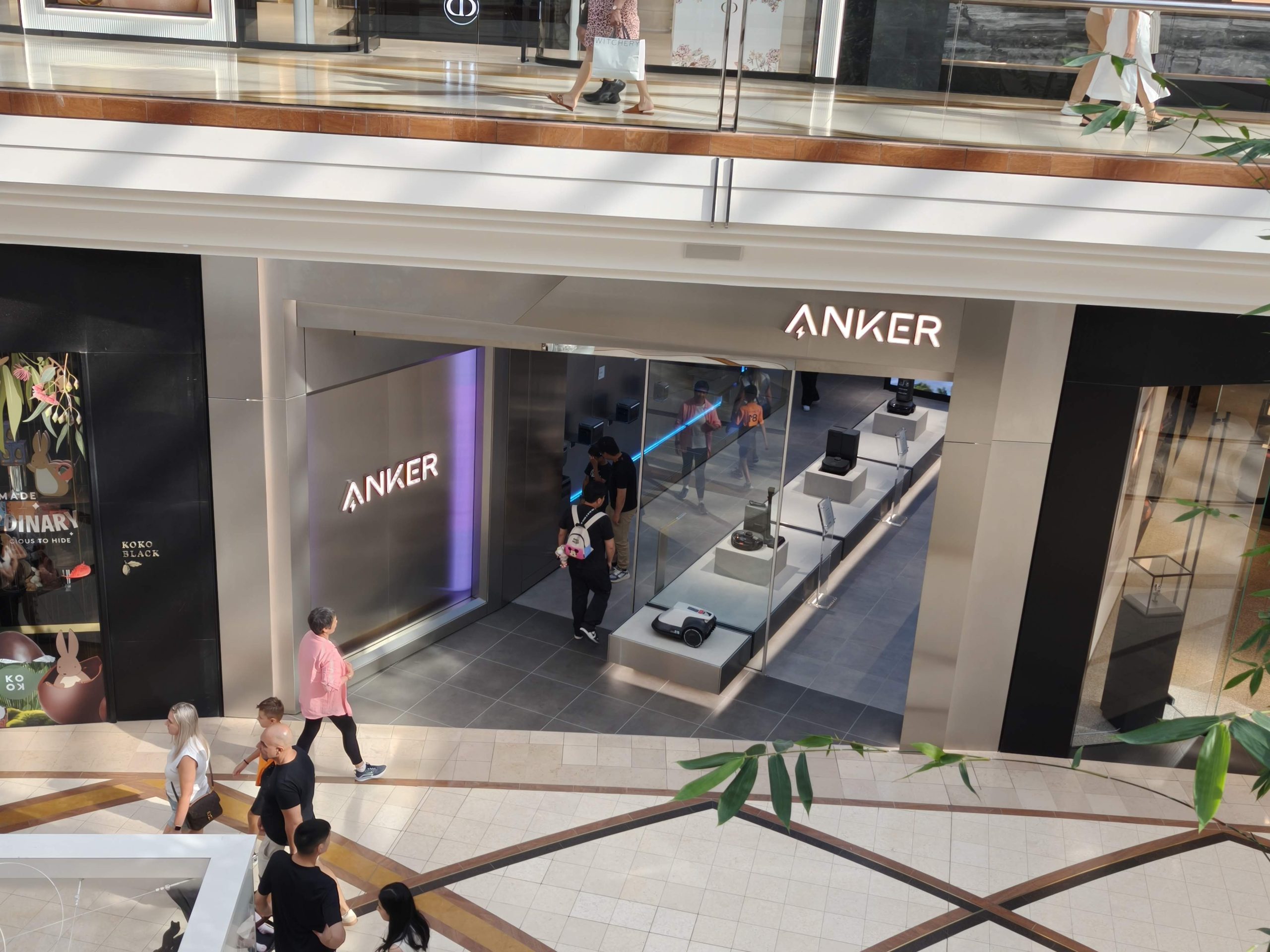
By establishing direct-to-consumer and direct-to-retail channels, the tech manufacturer cuts out intermediary distribution margins with a move to selling more products directly and via Amazon.
Signs of the impending transition grew apparent following the opening of Anker’s flagship retail store at Melbourne’s Chadstone Shopping Centre, marking a departure from traditional reliance on third-party distributors.
The first operational rollout of Anker’s independent entity begins with the launch of its flagship Eufy S2 robot vacuum cleaner, a launch entirely managed by Anker’s local operation.
Today Anker is actively pivoting away from its legacy image as a simple smartphone accessory manufacturer, leveraging proprietary hardware to expand into advanced home automation and sustainable energy markets.
The company’s core technological pillars now focus on e xpanding its Eufy smart home ecosystem, which includes AI-powered object-tracking security cameras and advanced robotic vacuums.
The “Anker Thus” AI Chip: Powering premium consumer electronics like the Soundcore Liberty 5 Pro earbuds to handle real-time computational audio and noise-masking.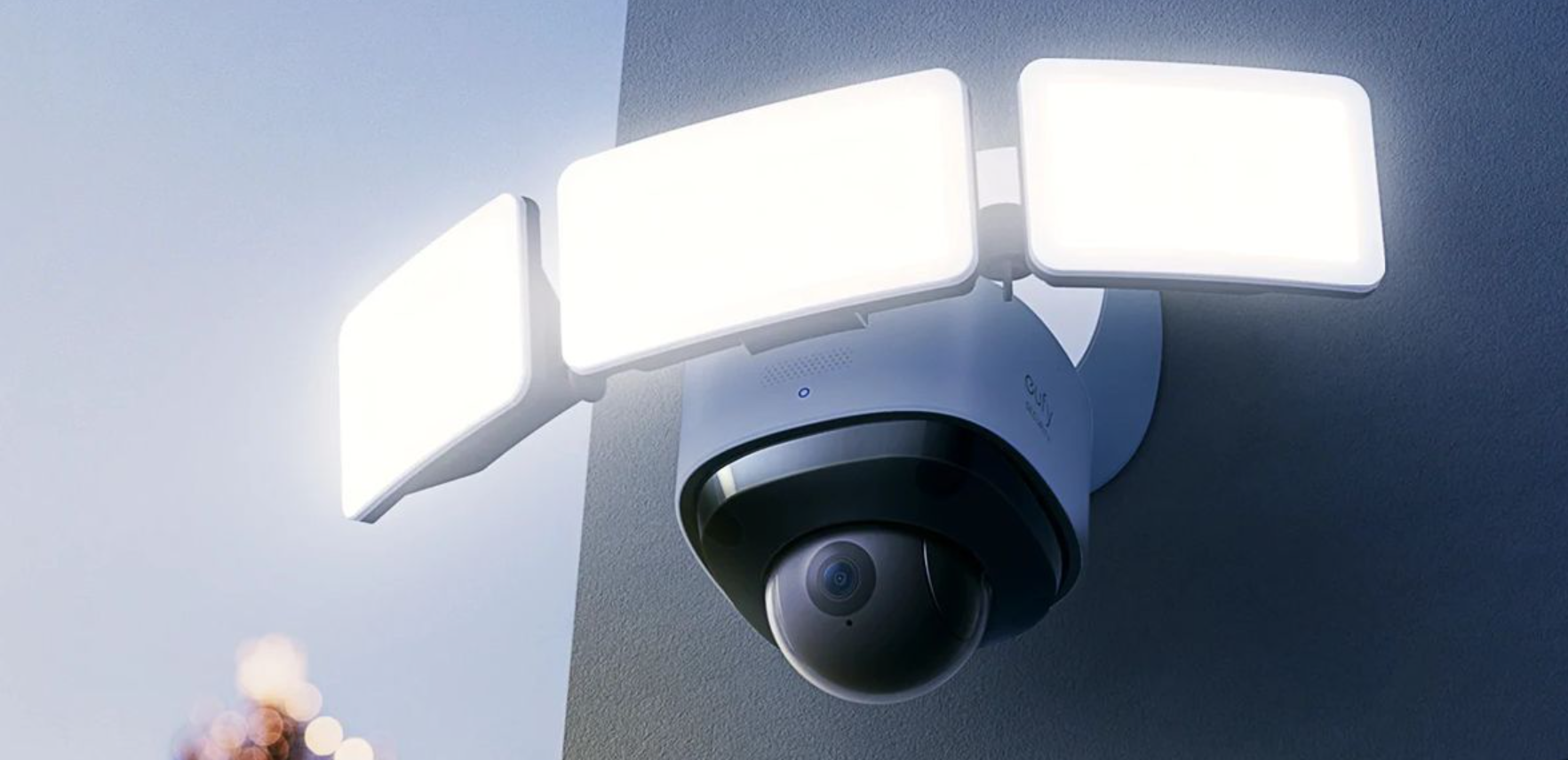
Home Energy Infrastructure:
Utilizing its “Anker SOLIX” division to deploy residential solar power storage stations. Anker has secured partnerships with major infrastructure players, including Amber Electric and Origin Energy, to integrate its storage technology directly into the domestic energy grid.
The transition comes as Anker faces dual challenges related to severe product liabilities and geopolitical supply chain risks.
In mid-2025, Anker was forced to issue a massive global voluntary recall of over 1.1 million PowerCore and Zolo lithium-ion power banks due to a manufacturing defect from a single component vendor.
The defect caused units to overheat, resulting in 19 reported instances of fires and explosions.
To combat future safety liabilities, Anker implemented sweeping quality assurance protocols, including component-level audits and expanded vendor testing.
While Directed Electronics confirmed that Australian inventory was unaffected by the specific 2025 battery cells, the risk underscored the vulnerability of relying on an intermediary’s localized QC verification.
Furthermore, the consumer security market has faced tightening pressure regarding foreign manufacturing origins.
In the past Anker has aggressively distanced itself from Chinese state-linked hardware frameworks and is now launching their own AI platform concept.
Moving its Australian corporate infrastructure entirely in-house allows Anker to maintain strict, uncompromised control over data privacy compliance and hardware security protocols directly.