Amazon To End Kindle Store Support For Older Devices In 2026
 April Ossington
08 Apr 2026
April Ossington
08 Apr 2026
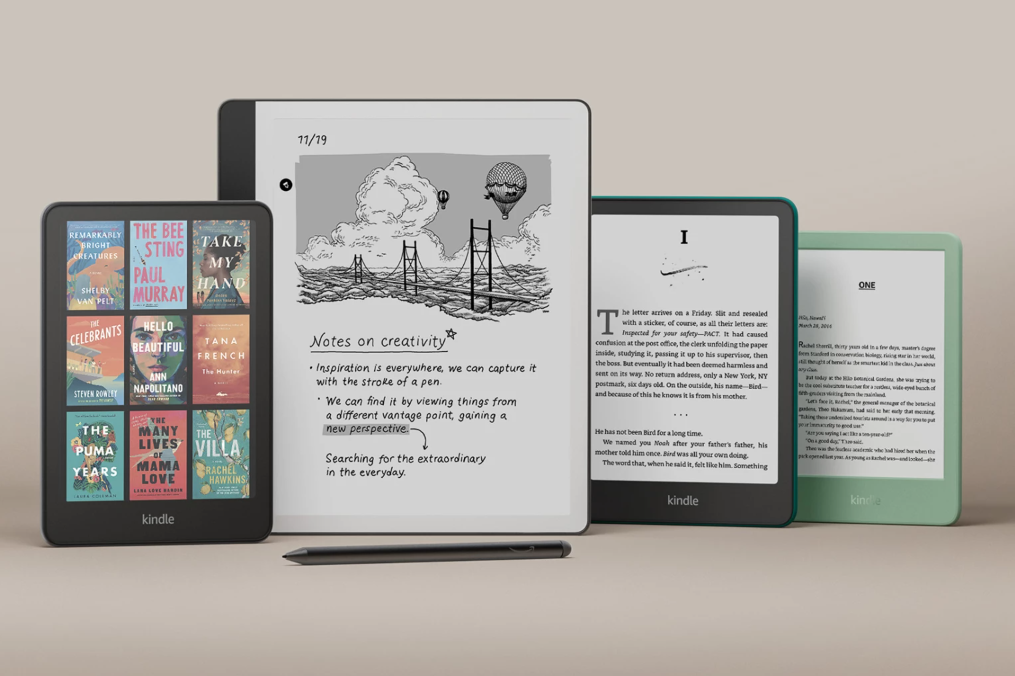
Amazon has confirmed that a range of early Kindle e-readers and Kindle Fire tablets will lose access to the Kindle Store from May 20, 2026. Devices released in 2012 or earlier will no longer be able to buy, borrow or download new books directly, marking the end of full support for some of the company’s oldest hardware.
Owners of these devices will still be able to read content that has already been downloaded. Access to purchased books will also remain available through newer Kindles, the Kindle mobile app and the web-based platform, provided users log in with the same account.
However, there are some limitations. If an affected device is reset or removed from an account after the deadline, it will not be possible to register it again. This effectively locks the device into its current state, restricting any future setup or account changes.

Amazon Kindle Scribe
The list of impacted models spans nearly the entire early history of Kindle hardware. It includes the original 2007 Kindle, along with later versions such as the Kindle DX, Kindle Keyboard, Kindle Touch and first-generation Paperwhite. Early Kindle Fire tablets from 2011 and 2012 are also included.
Amazon plans to notify affected customers ahead of the cut-off date, outlining what functionality will remain. While book-related features will be restricted, other services and applications on older Kindle Fire devices are expected to continue working as normal.
To encourage users to upgrade, Amazon is offering incentives for a limited time. Customers replacing older devices will receive a 20 per cent discount on a new Kindle, along with an eBook credit of around A$30 added to their account after purchase. This offer will be available until June 20, 2026.
This change follows earlier efforts by Amazon to extend the lifespan of older devices. In 2016, the company required certain models to receive a software update in order to maintain access to the Kindle Store. Nearly a decade later, support for those devices is now being phased out completely, signalling a shift towards newer hardware and software capabilities.