Amazon Takes First Action Against Fire TV Piracy Apps Amid Industry Pressure
 Isabella Alexiou
01 Jul 2025
Isabella Alexiou
01 Jul 2025

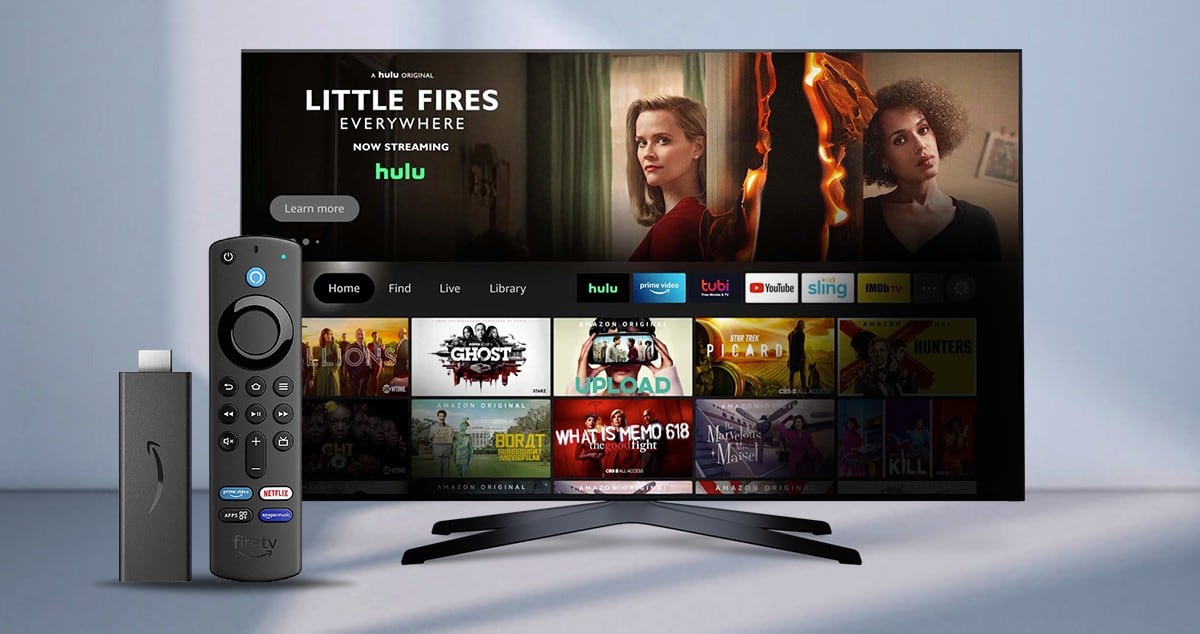
Amazon has begun blocking piracy applications on its Fire TV platform for the first time, marking a significant shift in the company’s approach to combating illegal streaming content.
Users worldwide have reported that at least four well-known piracy apps side-loaded onto Fire TV devices were blocked at the system level over the past week, according to industry publications AFTVNews and TechDoctorUK.
The action represents the first time Amazon has deployed its blacklist tool specifically to target piracy applications on Fire TV.
Previously, the company had only used this blocking mechanism to prevent apps that interfere with the user interface or reconfigure remote control functions, making the move a notable escalation in Amazon’s anti-piracy efforts.
Amazon’s decision follows criticism from industry analysts and mounting pressure from lawmakers and content industry groups.
Earlier this year, Enders Analysis published a report placing significant blame for rising television piracy on major tech companies, including Amazon, Google, and Microsoft.
The analysis argued that Amazon was not doing enough to prevent piracy apps on its Fire TV platform, while Google and Microsoft were failing to maintain adequate updates to their digital rights management solutions.
In response to the criticism, Amazon promised the BBC it would increase efforts to prevent piracy applications from operating on its platform.
However, the full motivation behind the recent blocking action may be more complex than simple anti-piracy enforcement, according to technical analysis of the affected applications.
AFTVNews noted that at least two of the blocked applications were found to use device processing power and network traffic to generate unauthorised revenue, classifying them as “riskware” that could potentially provide cybercriminals with access to users’ devices and networks.
These applications reportedly engaged in activities such as fake advertisement clicks and other monetisation schemes that pose security risks beyond copyright infringement.
The security concerns highlight broader risks associated with piracy applications that extend beyond illegal content access.
Compromised devices can become part of large botnets that cybercriminals can control and reconfigure for various malicious purposes, representing a significant threat to user privacy and network security.
Amazon’s anti-piracy actions come as the company prepares for a major platform transition that will further restrict unauthorised applications.
Later in 2025, Amazon plans to transition Fire TV from its current Android foundation to its proprietary Vega operating system.
This change will require all applications to undergo approval processes and will likely eliminate the ability to side-load unauthorised apps entirely.
The transition to Vega OS will require developers to rewrite all applications specifically for the new platform, giving Amazon complete control over which applications can operate on Fire TV devices.
This represents a fundamental shift toward a more closed ecosystem that mirrors Apple’s approach with its television platform rather than the current Android-based system that allows greater user flexibility.