Aldi Profit Slips As Supermarket Price Battle Intensifies
 April Ossington
30 Apr 2026
April Ossington
30 Apr 2026
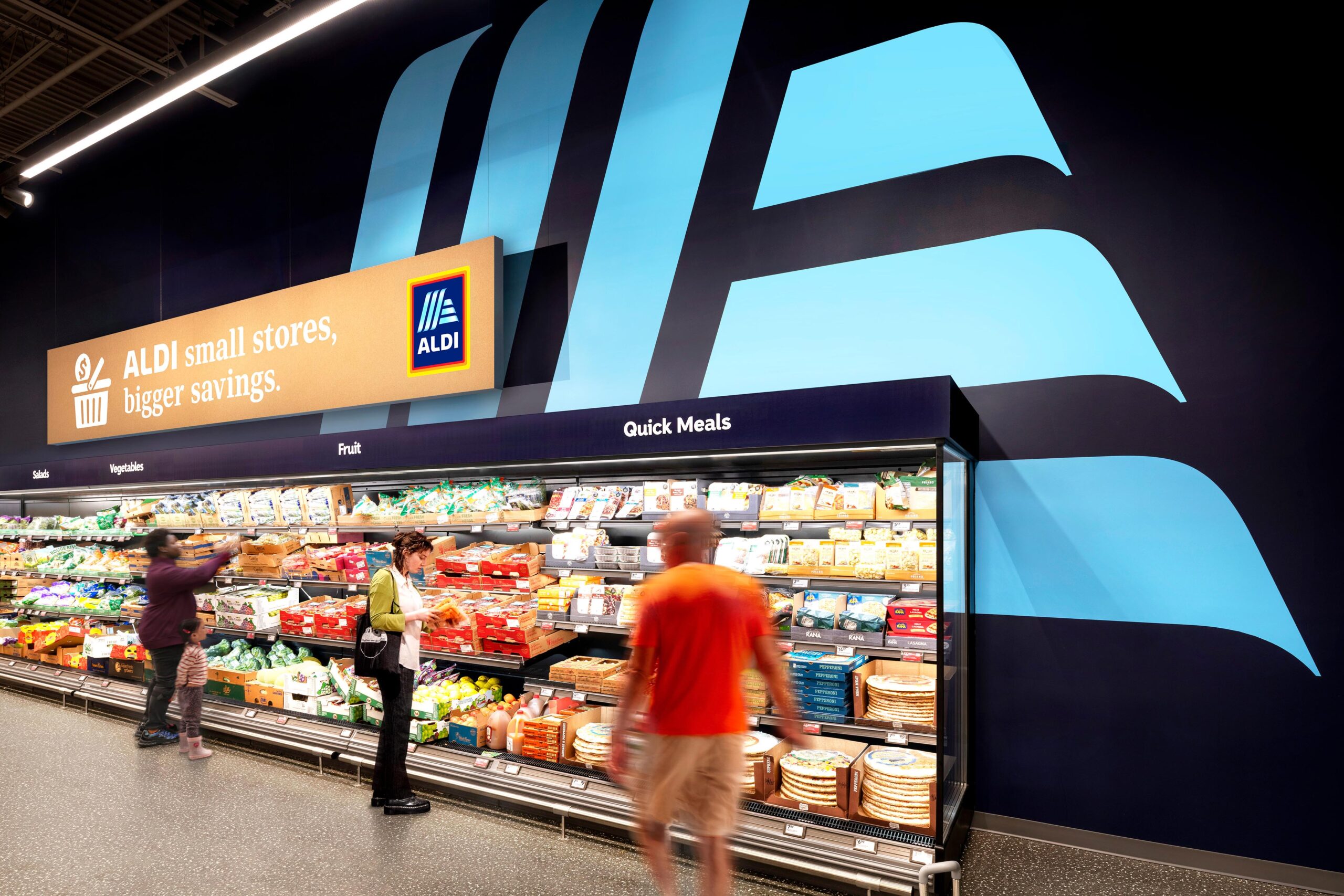
Aldi has reported a drop in earnings in Australia, marking its first decline in several years as competition from Woolworths and Coles ramps up amid a renewed focus on pricing.
Financial filings for the year to December show the discount chain recorded sales of A$13.94 billion, an increase of 4.8 per cent. While still positive, the growth rate is notably slower than the 10 per cent rise achieved the previous year, signaling a cooling in momentum.
Profit fell sharply, declining by nearly 20 per cent to A$337.4 million from A$417 million a year earlier. The result was attributed to a combination of softer sales growth alongside rising labour and inventory expenses.
Aldi has built its reputation on private-label groceries and its rotating selection of limited-time products, which range from household appliances to seasonal clothing. The business has been led by Anna McGrath since 2023, following the promotion of former local chief Tom Daunt to a global leadership role.
McGrath pointed to the broader performance over recent years, noting the latest result follows a period where sales increased by more than 20 per cent across two years. She maintained the company remains focused on delivering value to shoppers despite the recent setback.
Since entering the Australian market in 2001, Aldi has grown into the third-largest supermarket chain, operating around 600 stores nationwide. Even so, its market share sits at about 11 per cent, well behind Woolworths and Coles, which together account for roughly 73 per cent.
The competitive landscape shifted over the past year as Woolworths and Coles moved to narrow the price gap with Aldi by cutting prices across key categories. Analysts noted the difference between the retailers reached its lowest point in recent years, putting pressure on Aldi’s traditional advantage.
Despite the fall in profit, Aldi distributed a dividend of A$400 million to its parent company, matching the payout made the previous year.
In response to increased competition, Aldi has taken steps to reinforce its pricing position. Earlier this year, it reduced the number of branded products on its shelves and lowered prices on hundreds of items in an effort to maintain its appeal to cost-conscious shoppers.
The results come ahead of trading updates from Woolworths and Coles, which are expected to provide further insight into conditions across the grocery sector. Analysts suggest that rising food prices and fewer consumers dining out could boost supermarket earnings, potentially delivering an additional A$125 million in profit for the major chains in the next financial year.
At the same time, both Woolworths and Coles are facing scrutiny from the Australian Competition and Consumer Commission. The regulator has alleged that the companies engaged in misleading discount practices, with claims that some promotions gave the impression of savings when prices had in fact increased over time.
Recent court proceedings have added to the pressure, with evidence suggesting pricing strategies were sometimes structured around planned promotions rather than standard shelf prices.
As competition intensifies and regulatory scrutiny continues, the supermarket sector is entering a more challenging phase, with all three major players adjusting their strategies to hold onto customers.