Air Con & Appliance Power Costs Could Rise Due To EV & Electric Bike Charging Impacting Supply Networks During Off Peak Periods
 David Richards
26 Jun 2025
David Richards
26 Jun 2025
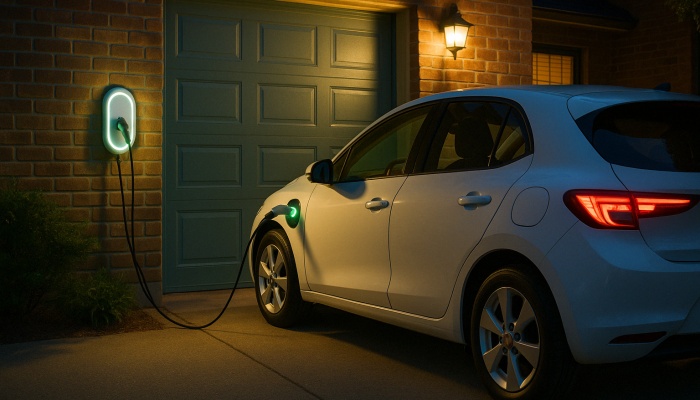
Off peak power could soon be a thing of the past with EV owners now sucking juice out of networks between 10pm to 7am a situation that could see cheap power prices rises.
Experts claim that it’s not just a shift in the timing of peak demand, but an outsized leap in consumption by those households charging up on electric power with prices set to rise next month.
The problem of EV vehicles and electric scooter charging is not isolated to Australia claim experts with a recent UK survey revealing that EV power users and electric bike users are taking advantage of night time charging to get a discount.
In Australia, off-peak electricity times, when rates are typically lower, generally fall during the night early morning, and on weekends.
Currently off-peak hours often extend from 10 pm to 7 am.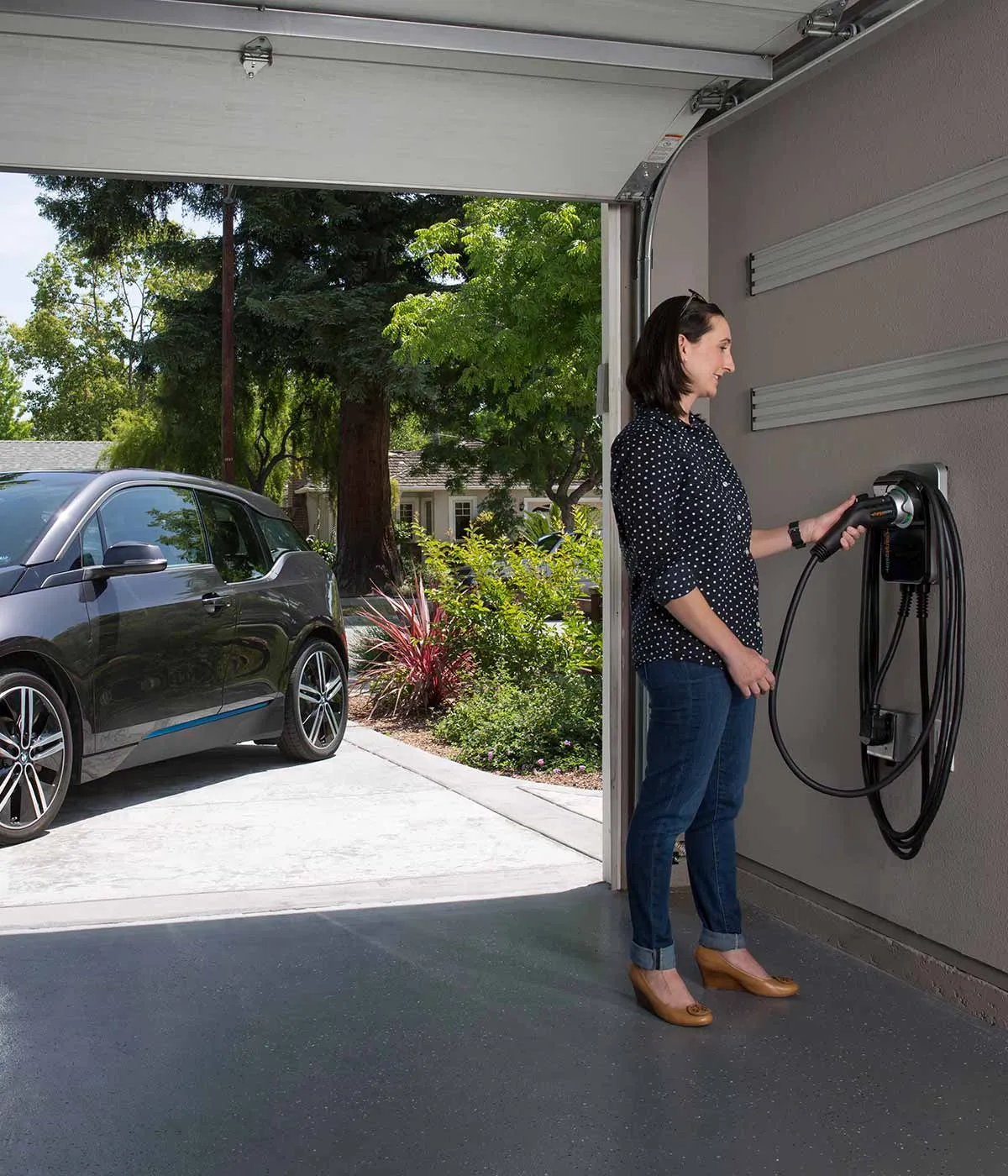
Now thousands of EV owners are using night time charging in an effort to save on electricity costs a move that is of concern to power Companies.
A survey of 854 homes by researcher Energy Systems Catapult a UK operator showed power use among those with a charger spike at night, rather than in the usual early-evening period.
As EV uptake increases there are warnings that energy tariffs may need to change to avoid “crowding” demand into fixed, low-cost periods, Catapult management claimed.
“We’ll eventually hit a critical mass at which conventional time-of-use tariffs create problematic new peaks through herding behaviours,” Claire Rowland, a senior manager at Catapult, said in a recent report.
Observers claim that the same problems emerging in the UK are already happening in Australia.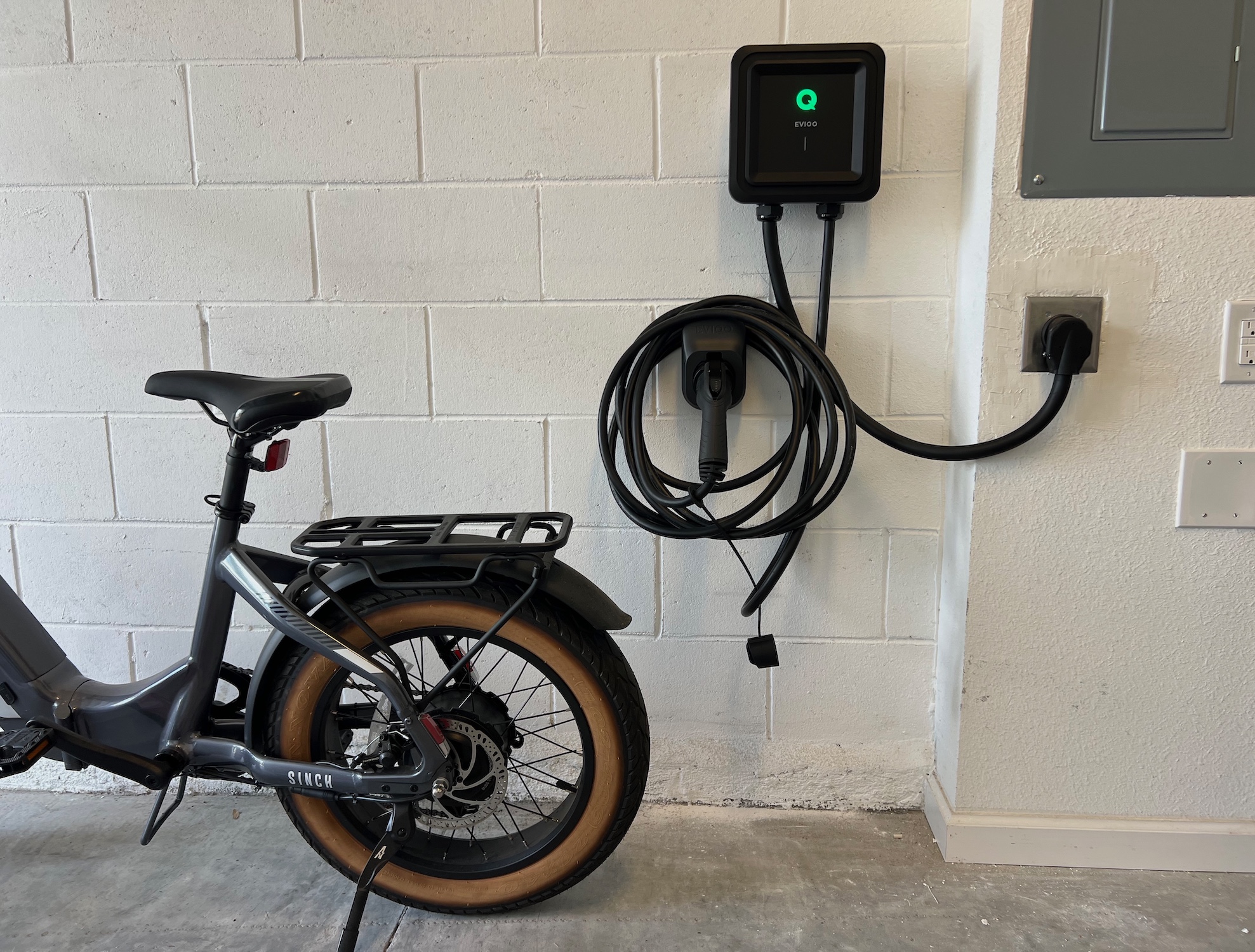
As grid operators in Australia move to keep the supply constant even during cold weather snaps or searing heat periods when normal demand soars the problem now is EV charging is growing and because demand is for power is occurring every day 52 weeks of the year there are concerns about demand and supply as EV sales grow.
In 2024, Australians purchased 91,495 new electric vehicles (EVs), including battery electric vehicles (BEVs) and plug-in hybrid electric vehicles (PHEVs), according to Car Expert and the Federal Chamber of Automotive Industries (FCAI).
This represents a 4.7% increase compared to the previous year, and EVs now account for 7.4% of the total new car market. While sales grew, the rate of growth was slower than in 2023.
Also sucking juice out of the fragile electricity supply networks are electric bikes and scooters.
Operators such as Catapult claim that to keep the lights on, and the rise of EVs will require changes in how suppliers operate.
It’s not just a shift in the timing of peak demand, but an outsized leap in consumption by those households charging up.
In Catapult’s sample, almost half of the homes surveyed owned an EV and a charger. Their usage meant consumption topped out at twice the size of the early-evening peak.
Bloomberg recently claimed that they expect the EV fleet to quadruple by the end of the decade.
With one incentive for new buyers being the cheap electricity deals offered for overnight charging, more widespread adoption may well test the limits of such an approach.