AI Smart Glasses Emerge As Tech’s Next Big Battleground
 Joe Gallop
16 Dec 2025
Joe Gallop
16 Dec 2025

As innovation in smartphones slows, Big Tech is turning its attention to what could be the next major computing platform: AI-powered smart glasses.
Apple, Google, Samsung and Meta are all battling it out, with the first wave of products expected to arrive as early as 2026 – though success is far from guaranteed.
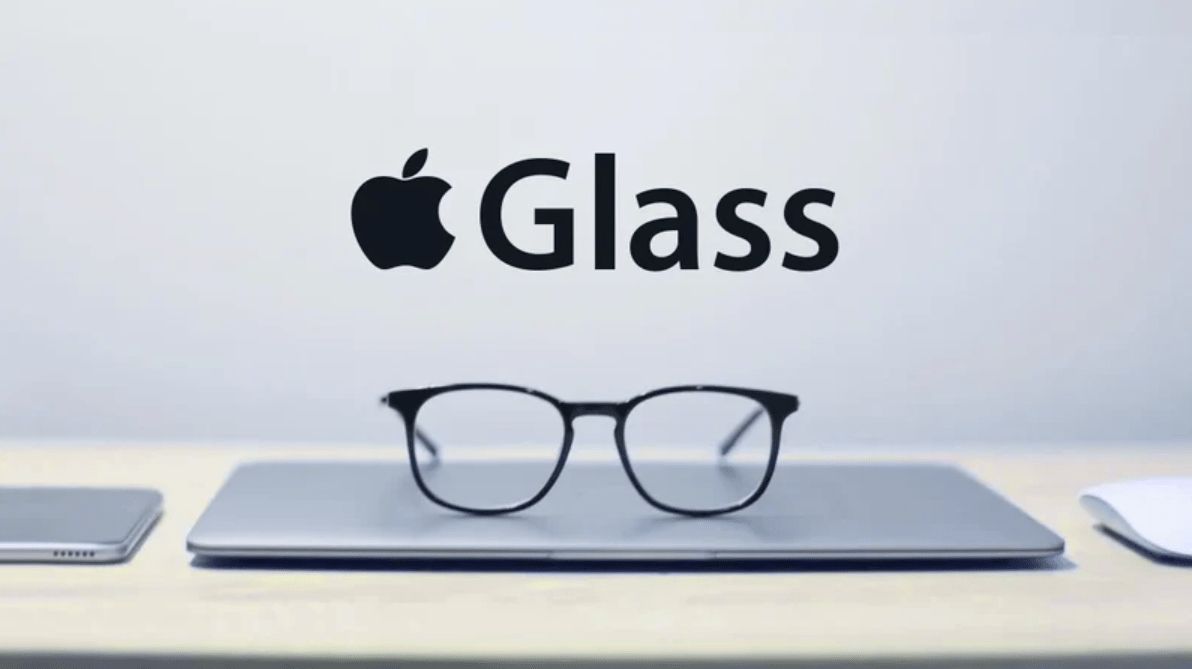
Apple is reportedly developing a lightweight wearable, often referred to as Apple Glass, which would mark a big departure from its bulky Vision Pro headset.
Instead of displays or full augmented reality, the focus is said to be on all-day wearability and AI-first features.
Multiple onboard cameras would enable “visual intelligence”, allowing the glasses to analyse what the wearer sees in real time, while handling tasks such as voice control, contextual assistance and potentially health monitoring.
The first version is tipped to launch without a display, with more advanced models following later in the decade.
Meanwhile, Google has confirmed its return to smart glasses after the failure of Google Glass (pictured below), which launched in 2013 and was shelved for consumers by 2015.
Partnering with Samsung and eyewear brands including Warby Parker and Gentle Monster, Google plans to launch Gemini-powered glasses in 2026.
The initial model will be screen-free, relying on speakers, microphones and cameras to deliver voice-driven services such as scheduling, navigation, translations and recommendations.
A higher-end version with transparent in-lens displays is also in development, offering heads-up navigation cues and live captions.
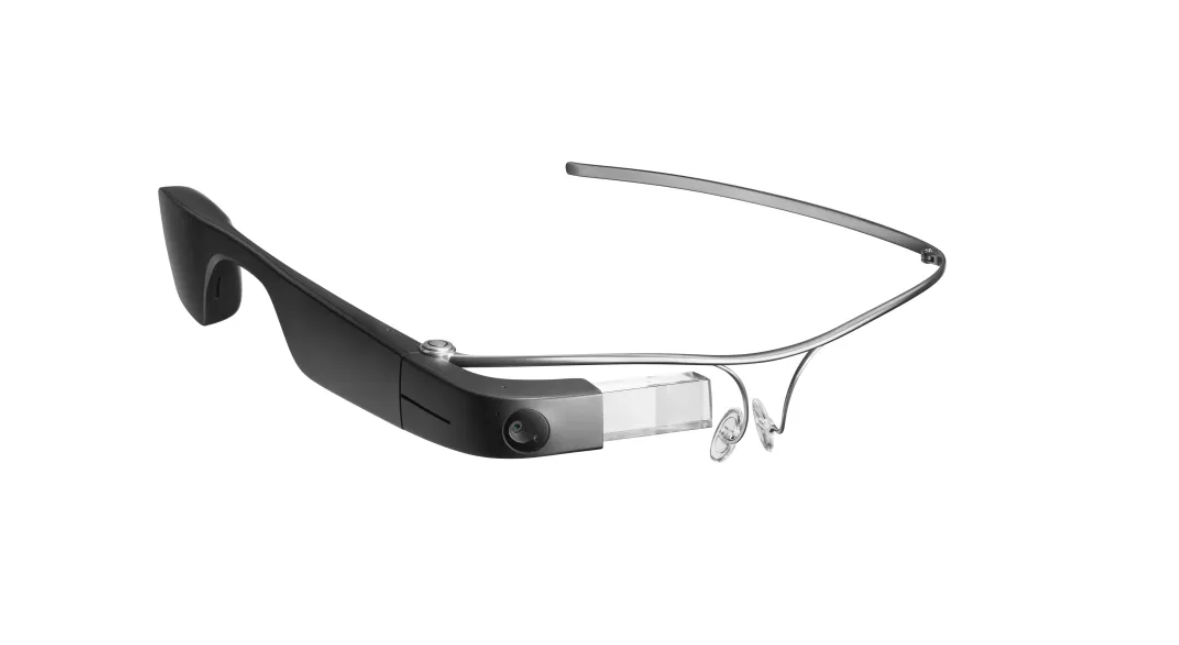
Google Glass launched in 2013 and was shelved for consumers by 2015
Samsung’s role extends beyond hardware.
Alongside Google, it is backing Android XR, a platform designed to run across headsets and smart glasses.
The aim is to reduce fragmentation by allowing developers to build apps once and deploy them across multiple form factors – a lesson learned from the slow uptake of VR headsets.
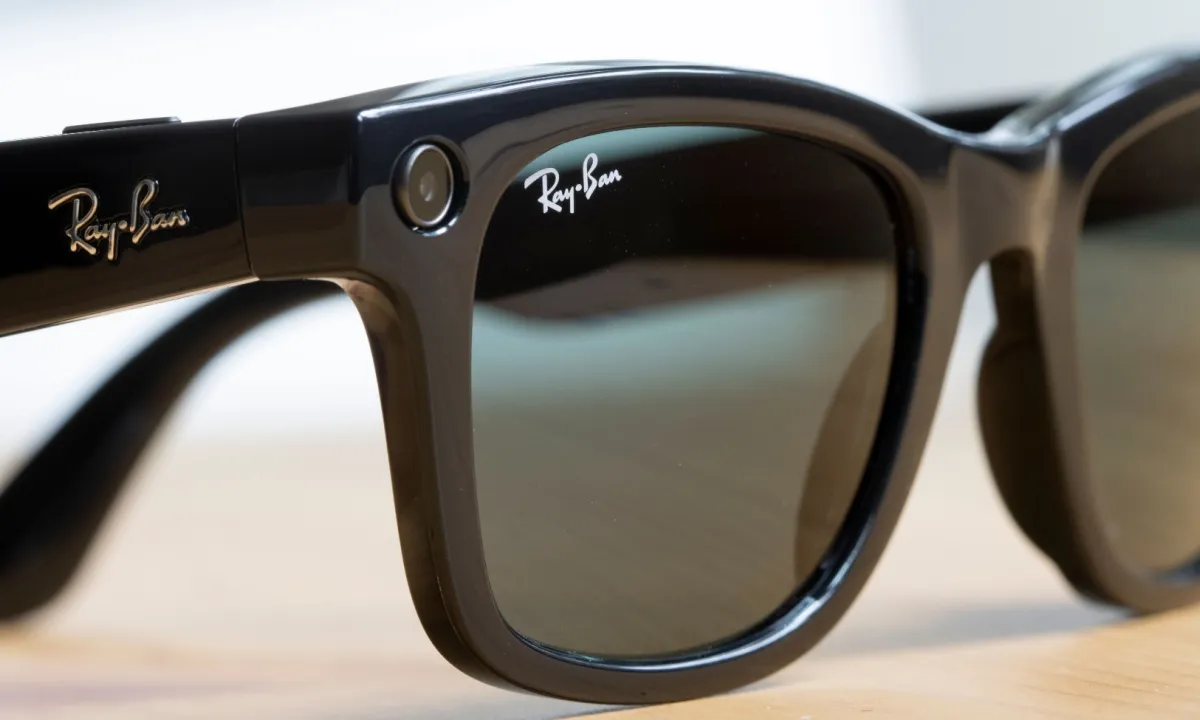
Meta currently leads the market, controlling more than 60% of global smart glasses sales through its Ray-Ban partnership.
Its success suggests consumers are more receptive when wearable tech resembles normal eyewear rather than conspicuous headsets, even if early models remain limited in functionality.
The renewed push may reflect frustration with stagnant gadget categories.
While past attempts at new platforms – from 3D TVs to VR – have struggled to reach mass adoption, smart glasses are seen as more socially acceptable and potentially more useful in everyday life.
But challenges remain, including cost, battery life, privacy concerns and whether consumers actually want another device on their body.
With market forecasts pointing to rapid growth, smart glasses are shaping up as a major test of whether AI can finally deliver a new kind of personal computing – or instead become another expensive experiment.