Samsung Moves To Cut Off Apple Foldable Threat We Talk to Local Management
 David Richards
23 Jul 2026
David Richards
23 Jul 2026
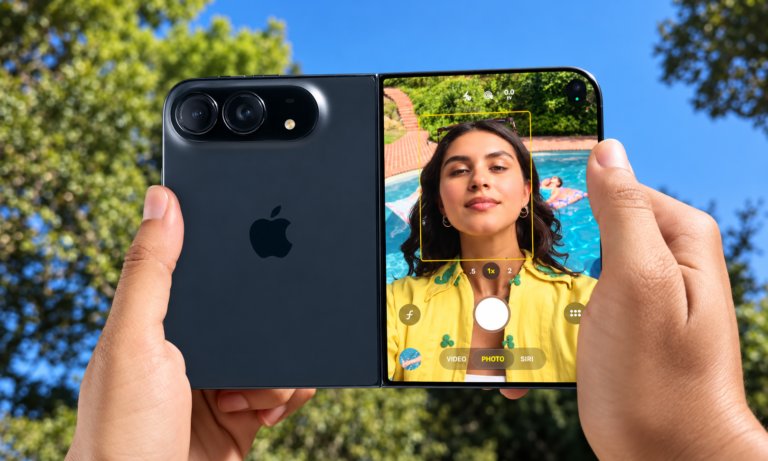
The Australian foldable market is set to get brutally competitive after Samsung overnight rolled out three new foldable models, including an all-new Fold that, while being labelled an “Entertainment” device, is widely seen as Samsung positioning itself to fight Apple head-on with a model strikingly similar to the foldable iPhone tipped for launch in September.
If correct, the move is designed to protect Samsung’s premium Fold 8 Ultra from having share cannibalised by Apple, with the new Samsung device, which at this stage looks remarkably similar to renders of the Apple product, set to be priced significantly below whatever Apple charges when it launches new product in September, its traditional release window.
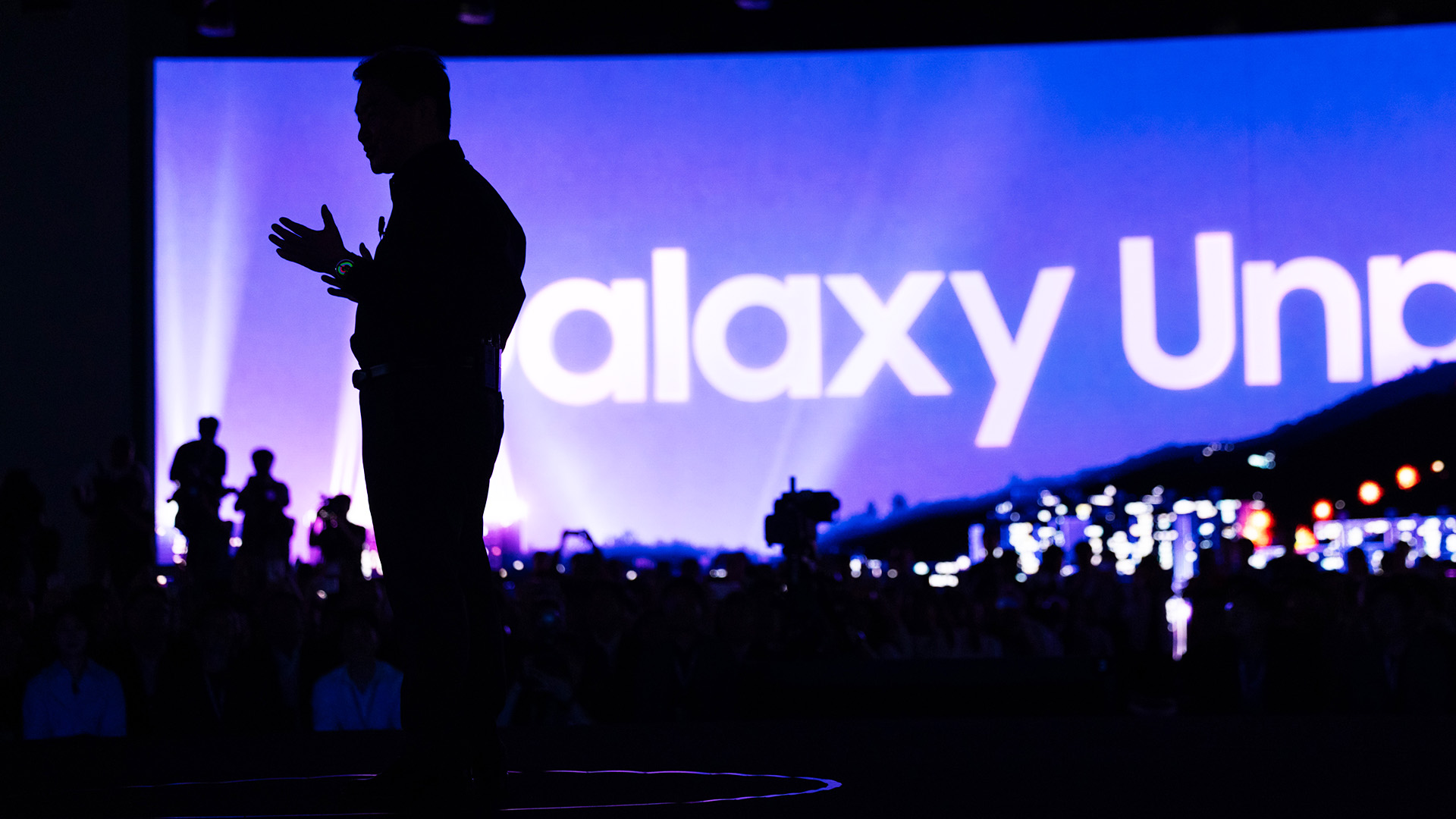
Ahead of the Australian launch of the Galaxy Z Fold 8, Z Fold 8 Ultra and Z Flip 8, I caught up with Eric Chou, head of the Mobile eXperience (MX) division at Samsung Electronics Australia.
My curiosity centred not on the new devices but on his perception of where the market is at, and the battle for share as Amazon strips sales from traditional retailers such as JB Hi-Fi, the largest smartphone retailer, Harvey Norman and The Good Guys, while carriers and brands such as Samsung invest in their own store networks and selling direct.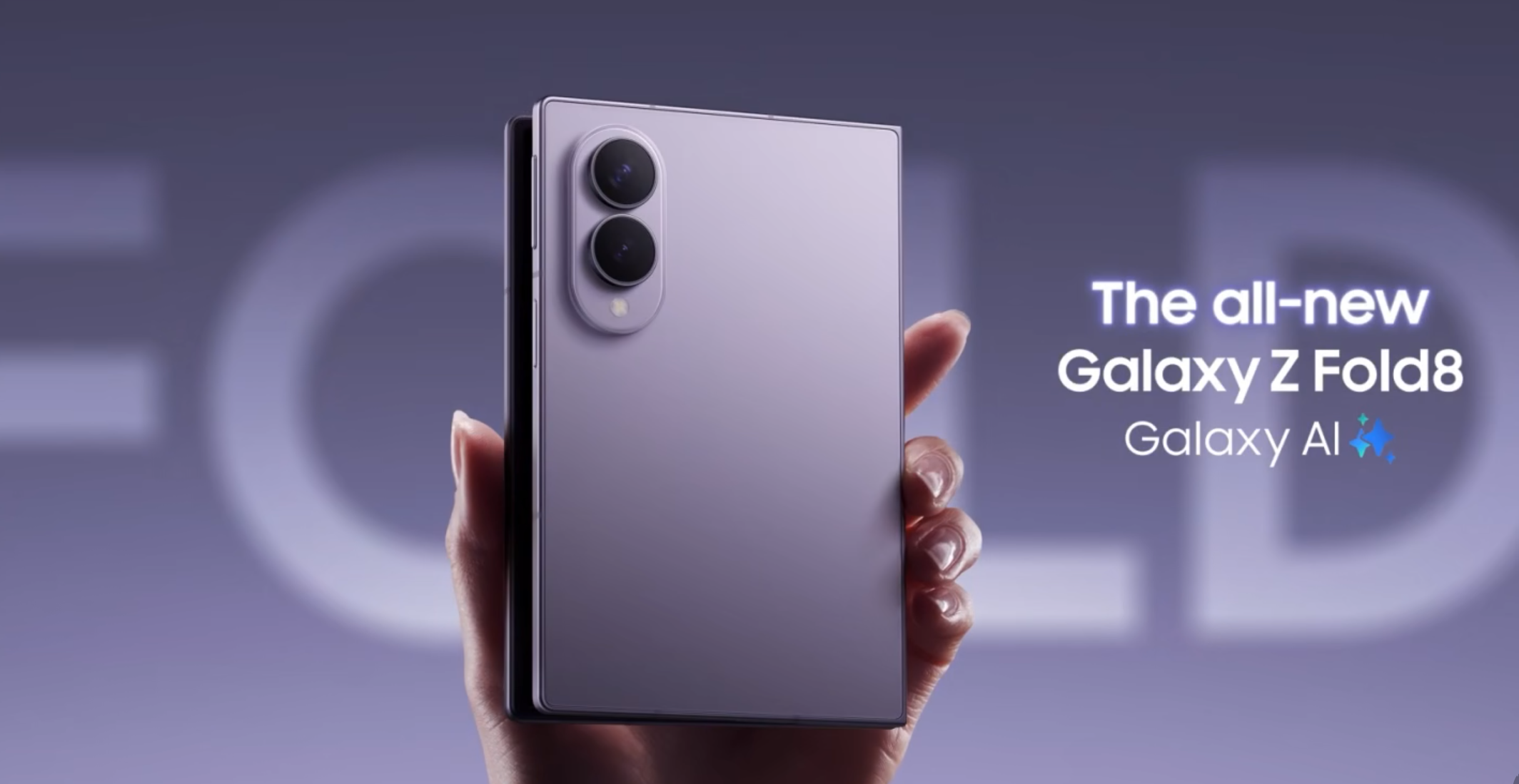
The stakes are high. Samsung held just 15% of the global foldable market in Q2 2026, only two points ahead of Motorola, a dramatic slide from the roughly 40% share it commanded as recently as last year. Huawei now leads the category globally.
And the bigger threat is still coming. Apple is expected to launch its first foldable iPhone later this year, with CCS Insight’s Ben Wood describing it as a critical launch for Samsung, because Apple joining any category immediately gives it another level of legitimacy. Counterpoint Research expects foldable shipments to grow 21% in 2026, largely driven by Apple’s entry, with Apple forecast to grab 25% of the foldable market in its first year against Samsung’s 32%.
New Lineup A Structural Reset
The lineup change is significant. The all-new Z Fold 8 has a wider, “passport-like” shape, while the Ultra is essentially a renamed successor to the Z Fold 7.
Nathan Rigger, Samsung Australia’s Head of Product for Mobile eXperience, called the Z Fold 8 “a new chapter for foldables” and the first of its kind in Australia, citing research that 84% of Australians rate size and portability as key purchase factors.
The Ultra gets a 200MP main camera, Flex Titanium display technology and a 4.1mm unfolded profile. The Flip 8 is the thinnest and lightest Flip yet at 180g and 6.1mm.
The timing of the launch was also notable. Only weeks earlier Motorola entered the market with a new foldable Razr aimed squarely at Samsung’s premium Fold Ultra customer, and the fact that the Motorola launch landed just days out from the new Samsung range did not go unnoticed.
Chou: “Consumers More Considered”
Chou claimed he was extremely comfortable with Samsung’s position in the market, particularly in foldables, a category the Company has played in since 2019.
Asked about softness in the market, he said, “What we are seeing is that people are a lot more considered when they are making purchases. However, our premium range and foldable range continues to do well.”
He admitted consumers have become more deliberate and are constantly on the lookout for the best offer.
“The pleasing part is that our retention rate, especially when it comes to flagship, and our loyalty rate remains to be higher than before, so that is actually an important aspect.”

Eric Chou Samsung
Samsung puts significant emphasis on its regular brand attitude survey, which Chou describes as a “leading indicator as to what their customers are likely to do. And that’s why we take it very seriously, and I think, specifically around foldables, it is important to know that the more premium the device, the more loyal people are.”
He said the bulk of Samsung’s share gains had come at the expense of Chinese brands, and that management views Samsung’s Australian share as “being stable”.
“What I would say is that the majority of the market share gain, or the long game, has predominantly come from the Chinese brands.”
100+ Staff Into Retail, Part-Funded Branded Stores
Samsung is currently investing heavily in supporting high street retailers, with Chou revealing the Company has more than 100 staff servicing, training and driving sales of Samsung devices through its retail partners.
The Company is also helping fund a retail partner operating Samsung-branded stores. Samsung has partnered with Retailors, formerly Retail Prodigy Group, as the lead retail operations partner for its Samsung Experience Stores and Samsung Studio Stores, with 11 stores across Victoria, New South Wales, Queensland and Western Australia. Apple, by comparison, operates 22 branded stores locally.
Chou said the South Korean Company is part-funding salaries in those stores, similar to the way it funds demonstrators for other retail partners.
A Mature Market Squeezed At The Top
Samsung currently sits second in Australia at 24.78% share, well behind Apple’s 61.45%, with the A-series doing the volume work in the sub-$800 bracket while the S26 and Z series carry the premium end. Apple and Samsung between them hold 86% of the market, with Google Pixel the only other brand gaining real traction, its share rising to around 6.67% in January 2026.
The overall Australian smartphone market generated US$8.8 billion in 2025, with high penetration and demand driven mainly by replacement cycles. IMARC puts volume at 30.8 million units in 2025, growing at just 1.42% CAGR through 2034, describing the future as “a mature, low-growth market”. The refurbished segment posted double-digit growth in 2025 on the back of trade-in programs.
The problem for everyone at the top end is convergence. Apple, Samsung and Google flagships now deliver essentially the same capabilities, cameras, seven-year update windows, satellite messaging and on-device AI, and the gap between a $1,799 hero phone and a $699 mid-ranger is the narrowest it has ever been.
Combined with memory-driven price hikes, that is a real squeeze on premium upgrade justification heading into September, when Apple is tipped to launch new, and almost certainly more expensive, models.