What The Fox Murdoch $34 Billion Roku Deal Means In Australia After Telstra Failure
 David Richards
16 Jun 2026
David Richards
16 Jun 2026
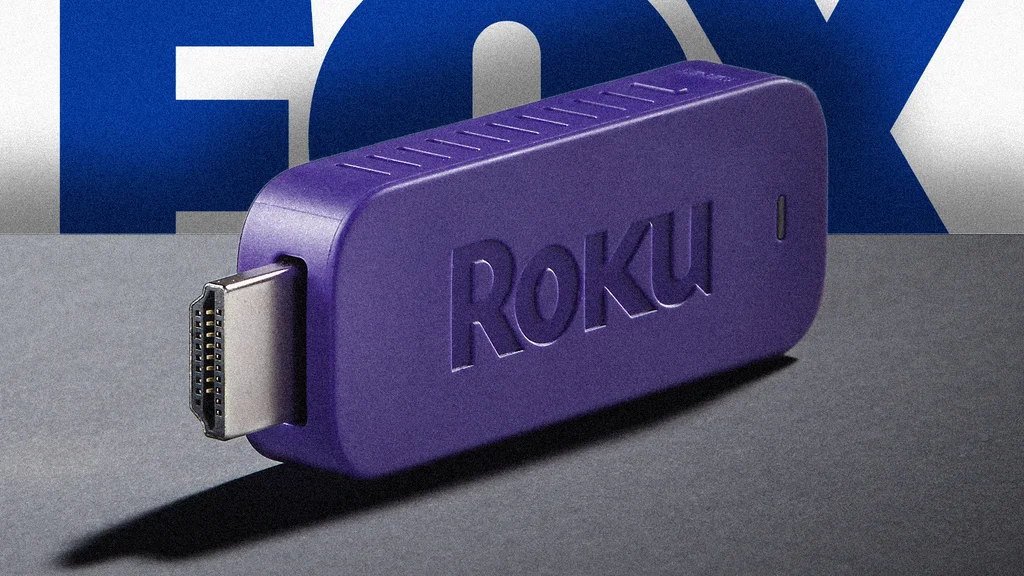
Australian media heir Lachlan Murdoch is making his biggest move since the Disney deal, taking control of streaming platform Roku in a blockbuster transaction worth roughly A$34 billion and potentially setting the stage for a renewed assault on the Australian televisionand streaming market.
The acquisition of Roku by Fox Corporation, controlled by Murdoch, marks a dramatic expansion of the media empire he inherited from his father Rupert Murdoch and creates a powerful new streaming and advertising giant reaching more than 100 million households worldwide.
For Australian consumers, the deal also resurrects memories of one of Roku’s biggest international failures – its ill-fated partnership with Telstra.
The transaction combines Fox’s dominant portfolio of live sports, news and entertainment programming with Roku’s connected TV operating system, streaming devices, advertising technology and direct consumer relationships.
Industry observers believe the deal could ultimately see Roku-branded televisions and streaming devices formally launched in Australia, a market where the company previously struggled to establish itself despite a decade-long presence.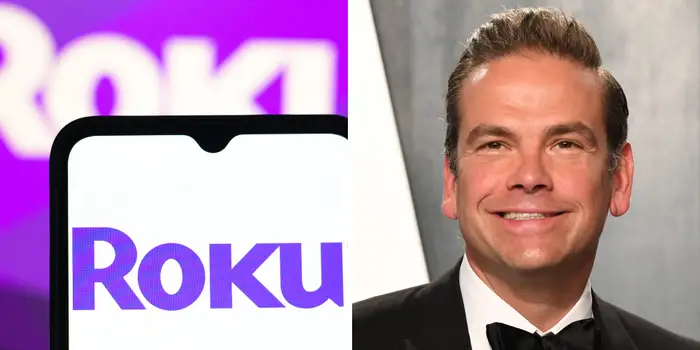
The acquisition comes seven years after Disney acquired most of 21st Century Fox’s movie studios and entertainment assets in a landmark US$71 billion deal that transformed the Murdoch empire.
Rather than attempting to rebuild a traditional Hollywood studio, Lachlan Murdoch doubled down on live sports, news and streaming. Fox acquired free streaming service Tubi in 2020 and has since built it into one of the fastest-growing advertising-supported streaming platforms in America.
Now Murdoch is betting that combining Tubi with Roku’s distribution network will create a media and technology powerhouse capable of challenging the dominance of Netflix, Amazon, YouTube and Disney.
But the Australian history of Roku tells a very different story.
In 2015, Roku struck a partnership with Telstra that was supposed to introduce the US streaming giant to Australian consumers. Instead of selling Roku-branded products directly through retailers, Roku allowed Telstra to rebadge and customise its technology under the “Telstra TV” brand.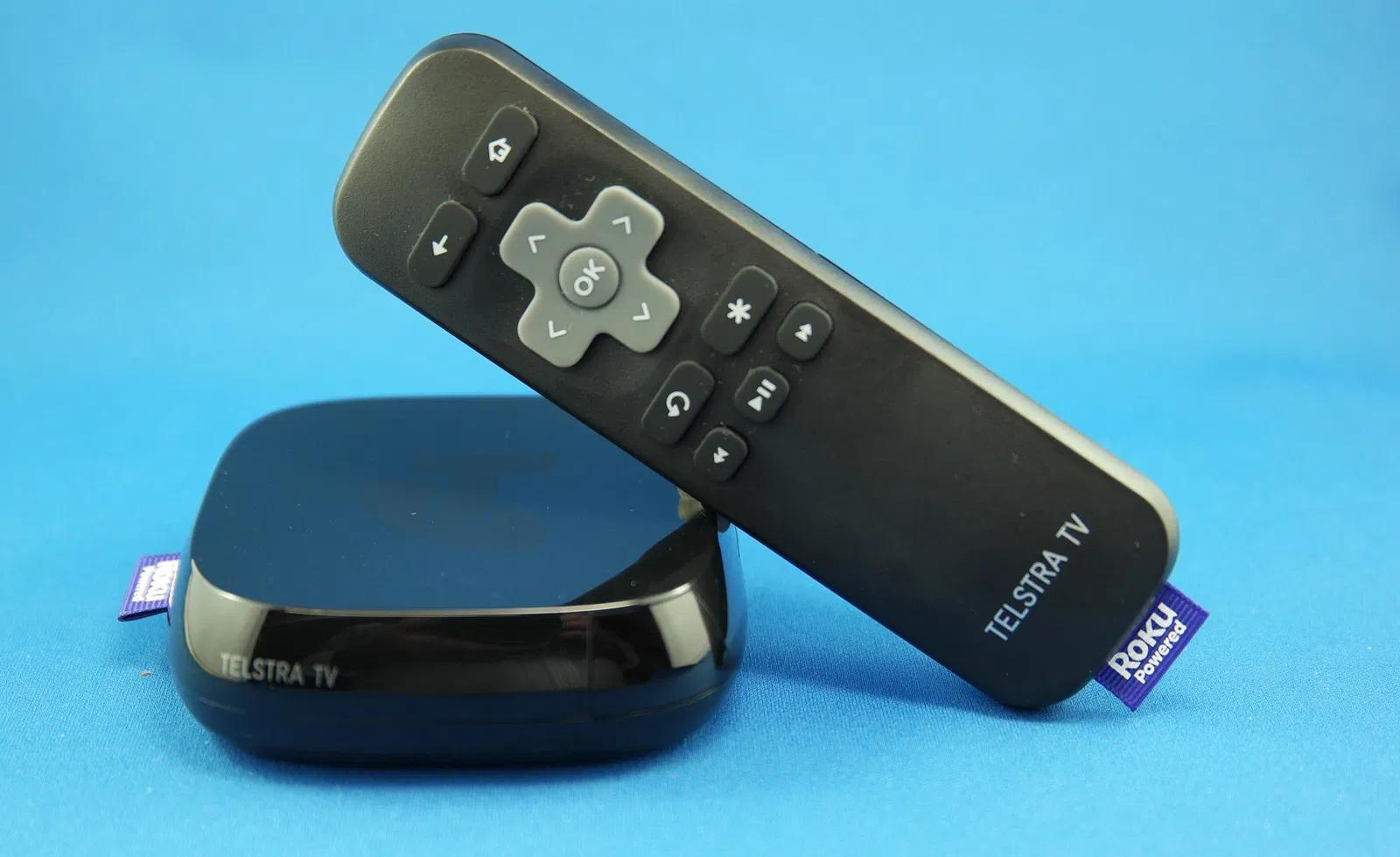
The strategy looked logical at the time. Telstra had millions of broadband customers and a major stake in Foxtel, giving the telco unmatched access to Australian households.
The reality proved far less successful.
Telstra distributed millions of Roku-powered set-top boxes through broadband bundles, but consumer engagement failed to match expectations. Many customers continued to favour Foxtel’s traditional pay-TV services and later migrated to Foxtel’s Kayo streaming platform rather than embracing Telstra TV as a standalone streaming ecosystem.
The partnership ultimately failed to establish Roku as a consumer brand in Australia and left the company largely invisible compared to its success in North America and Europe.
In a move widely viewed as an admission that the strategy had failed, Telstra pivoted away from Roku in 2022 when it acquired a controlling 51.4 per cent stake in Fetch TV, a rival streaming platform.
That business has also struggled to achieve meaningful scale.
While Roku went on to dominate connected television markets in the United States, Canada and Britain through partnerships with television manufacturers including TCL and Hisense, Australia remained one of the few developed markets where the company never achieved significant retail penetration.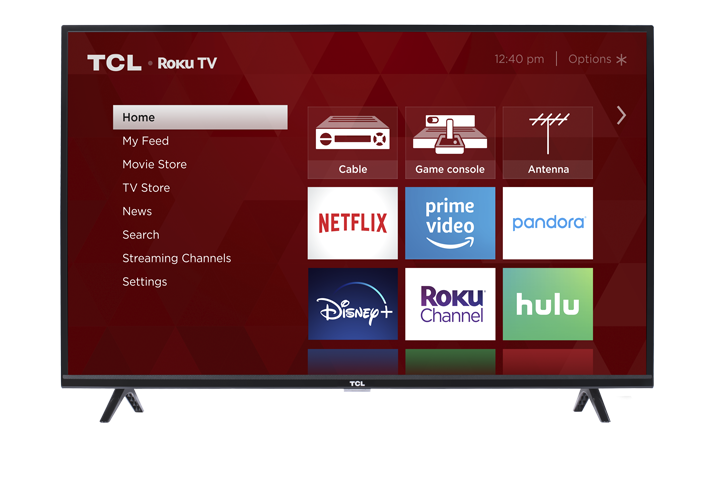
The Fox acquisition could change that.
With Fox’s content muscle behind it, Roku suddenly has access to some of the world’s most valuable programming, including NFL football, Major League Baseball, NASCAR, the FIFA World Cup, Fox News and Fox Business.
The combined company would become the third-largest player in US television measured by viewing share, according to company estimates.
More importantly, it creates a vertically integrated media business combining premium content, advertising technology, smart television operating systems and direct household distribution.
For Murdoch, the acquisition represents the next phase of a strategy that began after the Disney transaction stripped Fox of its movie studios.
“This is a defining moment for FOX,” Murdoch said.
“In 2019, we reoriented the company around live news and sports. In 2020, we acquired Tubi. Today, we take the next step: bringing together the most valuable live content portfolio in video consumption with the pre-eminent streaming platform through which America watches it.”
Analysts say the deal gives Fox something every modern media company desperately wants: control over both content and distribution.
Rather than relying on third-party platforms to reach audiences, Fox will own the operating system, advertising network and streaming ecosystem that millions of consumers use every day.
The implications could extend well beyond the United States.
Should Fox decide to launch Roku as a standalone platform in Australia, it would create a new challenger for Foxtel, Kayo, Stan and Australia’s free-to-air broadcasters.
Unlike the failed Telstra experiment, Roku would enter the market with direct access to Fox’s premium sports and news assets, potentially giving the platform a far stronger consumer proposition than it had a decade ago.
For Lachlan Murdoch, the acquisition is more than a streaming deal.
It is the clearest sign yet that he intends to build a new-generation media empire around streaming, advertising technology and live content – following the blueprint that made his father one of the most influential media owners in the world.
The difference is that this time the battleground is not newspapers or pay television.
It is the connected television screen in more than 100 million living rooms.