200MP Camera War Erupts as Xiaomi and Oppo Target Samsung’s Premium Camera Crown
 David Richards
27 Feb 2026
David Richards
27 Feb 2026
The the problems over memory, a three-way battle for supremacy in the premium Android smartphone market is intensifying, with Xiaomi and Oppo launching a direct challenge to Samsung’s dominance through a renewed focus on high-end camera technology and performance with Motorola set to struggle due to a lack of performance street cred.
Despite ongoing memory supply constraints, several Chinese brands are pressing ahead with expansion plans, targeting the lucrative segment of devices priced above A$1,200. Xiaomi, which opened an Australian office last year and has since secured retail shelf space, is preparing to unveil its most ambitious flagship yet — the Xiaomi 17 Ultra — in a head-to-head contest with Samsung’s newly announced Galaxy S26 Ultra.
According to industry sources, Xiaomi will introduce the Xiaomi 17 series at Mobile World Congress (MWC26) in Barcelona on Saturday Australian time. However, the global trade show is losing relevance among Australian retailers. Samsung notably bypassed MWC this year, instead launching its Galaxy S26 range in San Francisco.
A Duopoly Under Pressure
The global premium smartphone market remains dominated by Apple and Samsung, forming what analysts describe as a “duopoly plus challengers.” While Apple leads overall in the ultra-premium tier, Samsung controls the Android high-end segment.
Market data from 2025 and early 2026 shows Samsung holding 55% of the premium Android market, compared with Xiaomi at 12% and Oppo at 8%.
Motorola has minimal share in the segment despite positioning its ageing Razr foldable as a premium device.
Samsung’s Galaxy S25 Ultra and Z Fold7 have helped consolidate its leadership, particularly in Australia and the United States. However, Chinese manufacturers are increasingly leveraging partnerships with established European camera brands to erode that advantage.
Researchers say collaborations with Leica and Hasselblad are strengthening the credibility of Xiaomi and Oppo as serious premium contenders.
Premium Push Driven by Margin Pressure
The strategic shift toward higher-priced devices reflects broader industry pressures. While Samsung holds a 19% share of the global smartphone market and Xiaomi 13%, Chinese brands often lead in shipment volume rather than value.
Shrinking margins in the budget segment are driving vendors toward “premiumisation.” Samsung’s Galaxy A-series continues to deliver volume, but the S25 series exceeded expectations in 2025, narrowing the sales gap between its mid-range and flagship models.
Xiaomi remains the world’s third-largest smartphone vendor despite a slight dip in late 2025 due to component shortages. Oppo, with an 8% global share, is undergoing consolidation but is preparing a renewed premium push in Australia in the second half of the year.
In Europe — which accounted for 10.8% of global smartphone shipments in 2025 — Xiaomi has climbed to third place behind Samsung and Apple, shipping 21.8 million units, according to Counterpoint. Oppo is also gaining share, while Motorola’s European shipments fell 5% as it attempts its own premium repositioning.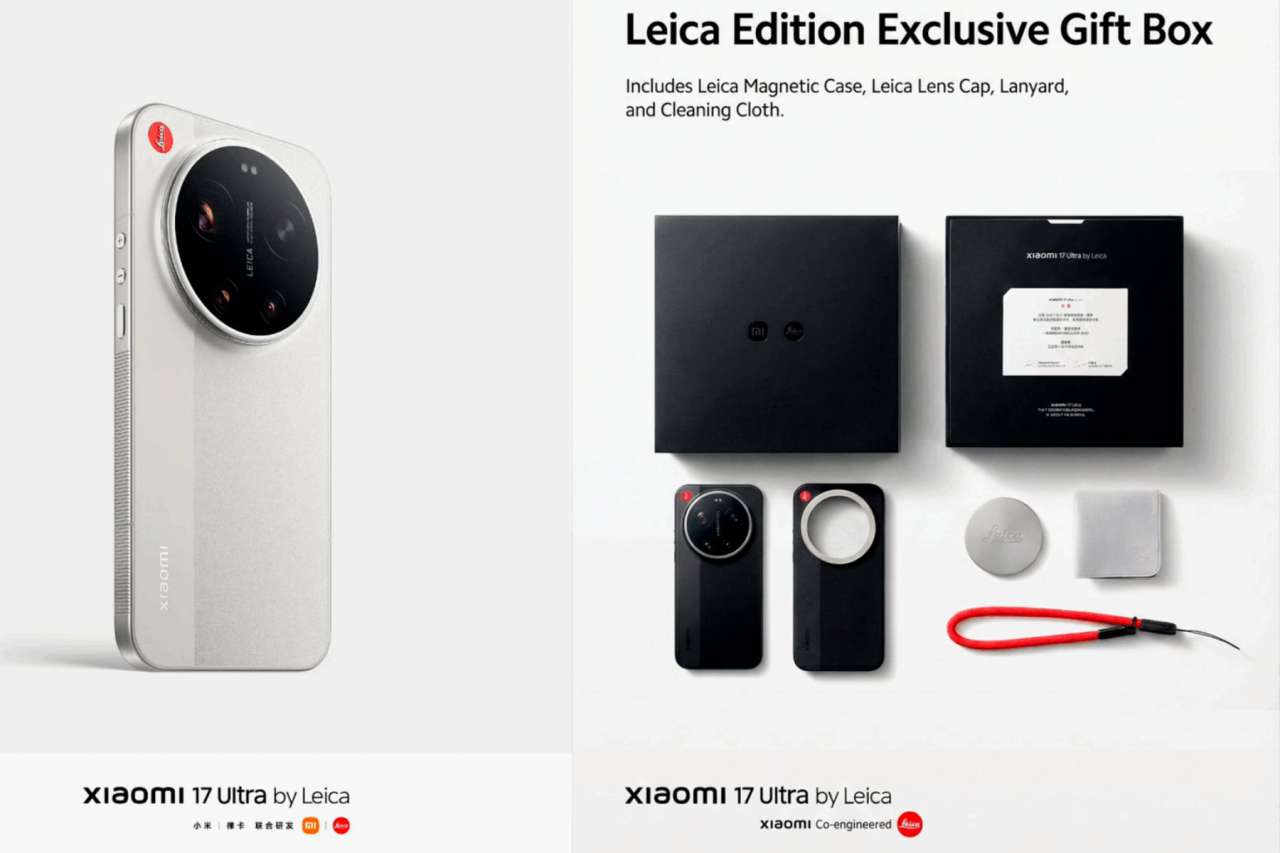
Xiaomi’s Leica Bet
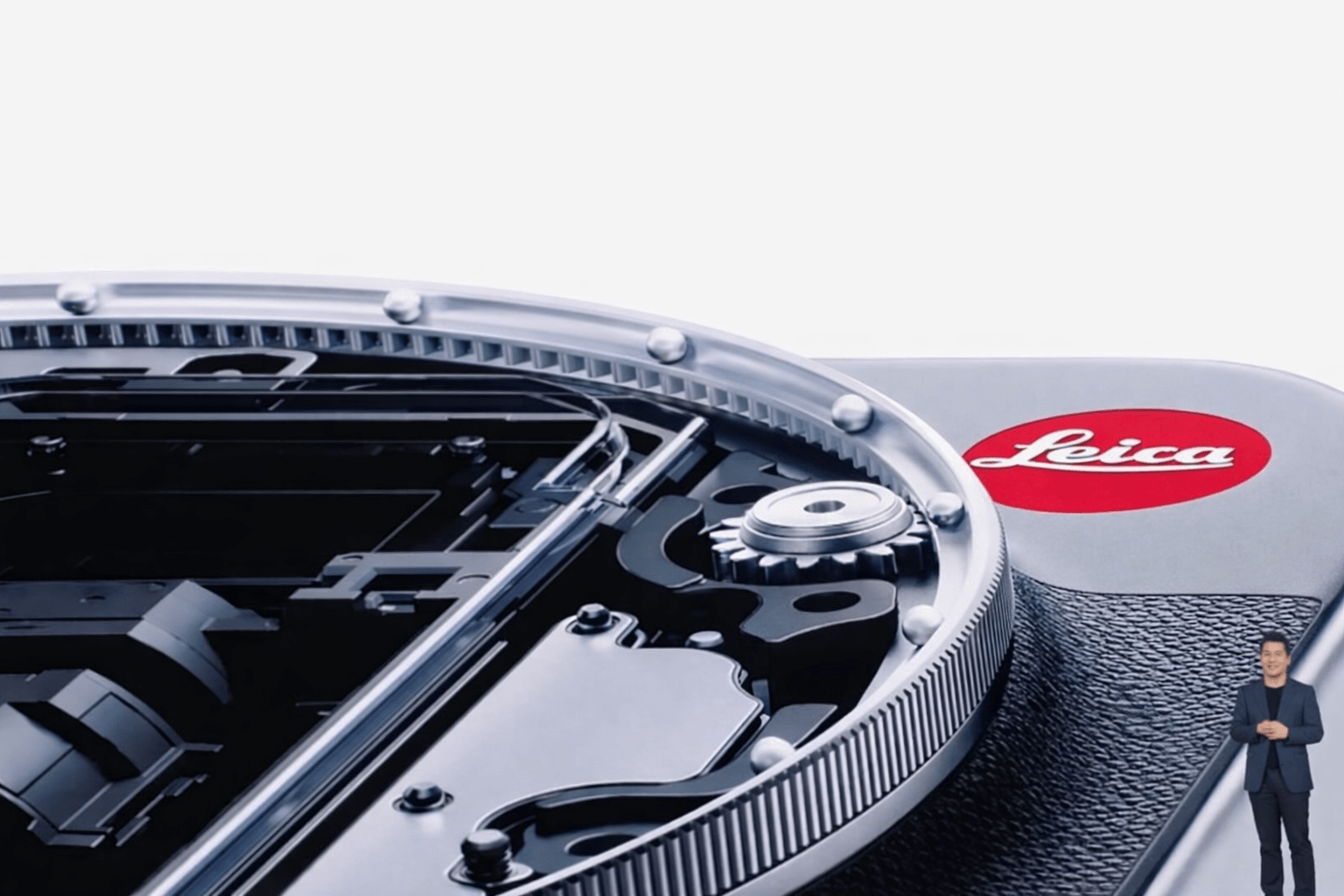
The Xiaomi 17 Ultra marks the company’s most aggressive attempt yet to challenge Samsung’s camera leadership.
Developed under what Xiaomi describes as a “strategic co-creation model,” Leica was involved from the earliest product-planning stages rather than serving purely as a branding partner. The device features a 200-megapixel telephoto camera and a rear triple-camera system combining ultrawide, wide and telephoto lenses. It includes a 1-inch image sensor for the main camera alongside the high-resolution telephoto unit.
The handset will run on Qualcomm’s Snapdragon 8 Elite 5th generation processor built on a 3-nanometer process, enabling advanced image processing, AI-driven computational photography and high-resolution video capture.
Historically, 200-megapixel imaging — particularly for long-distance zoom — has been a defining strength of Samsung’s Galaxy Ultra range. Xiaomi’s move directly targets that advantage.
Oppo’s Foldable Offensive
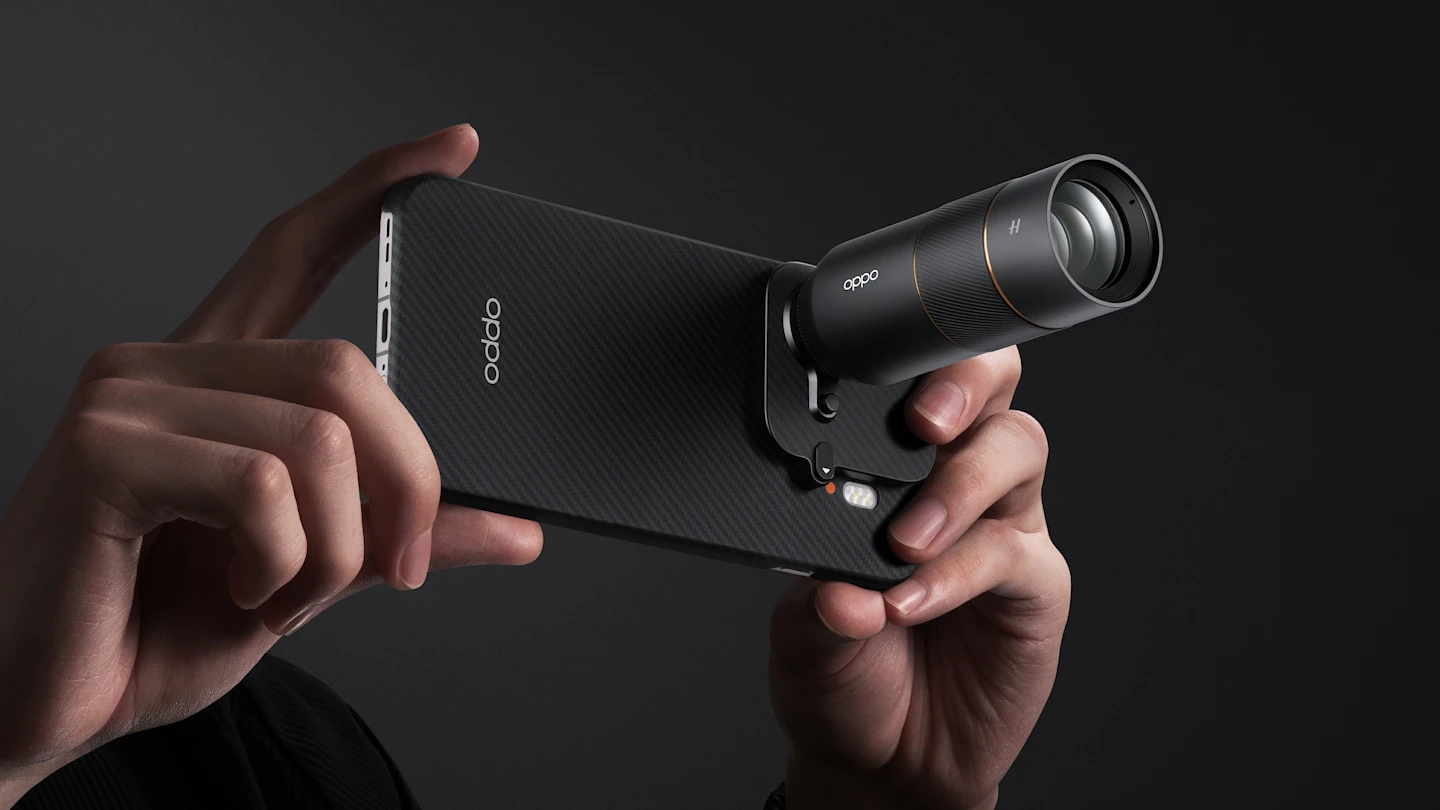
Oppo is also escalating the camera battle. Its forthcoming Find N6 foldable is expected to feature a Hasselblad-tuned 200MP quad-camera setup — the first foldable device to do so — along with Oppo’s new Danxia lens system. Industry reports suggest a Snapdragon 8 Elite Gen 5 processor, dual 50MP telephoto and ultrawide sensors, and a 6,000mAh battery.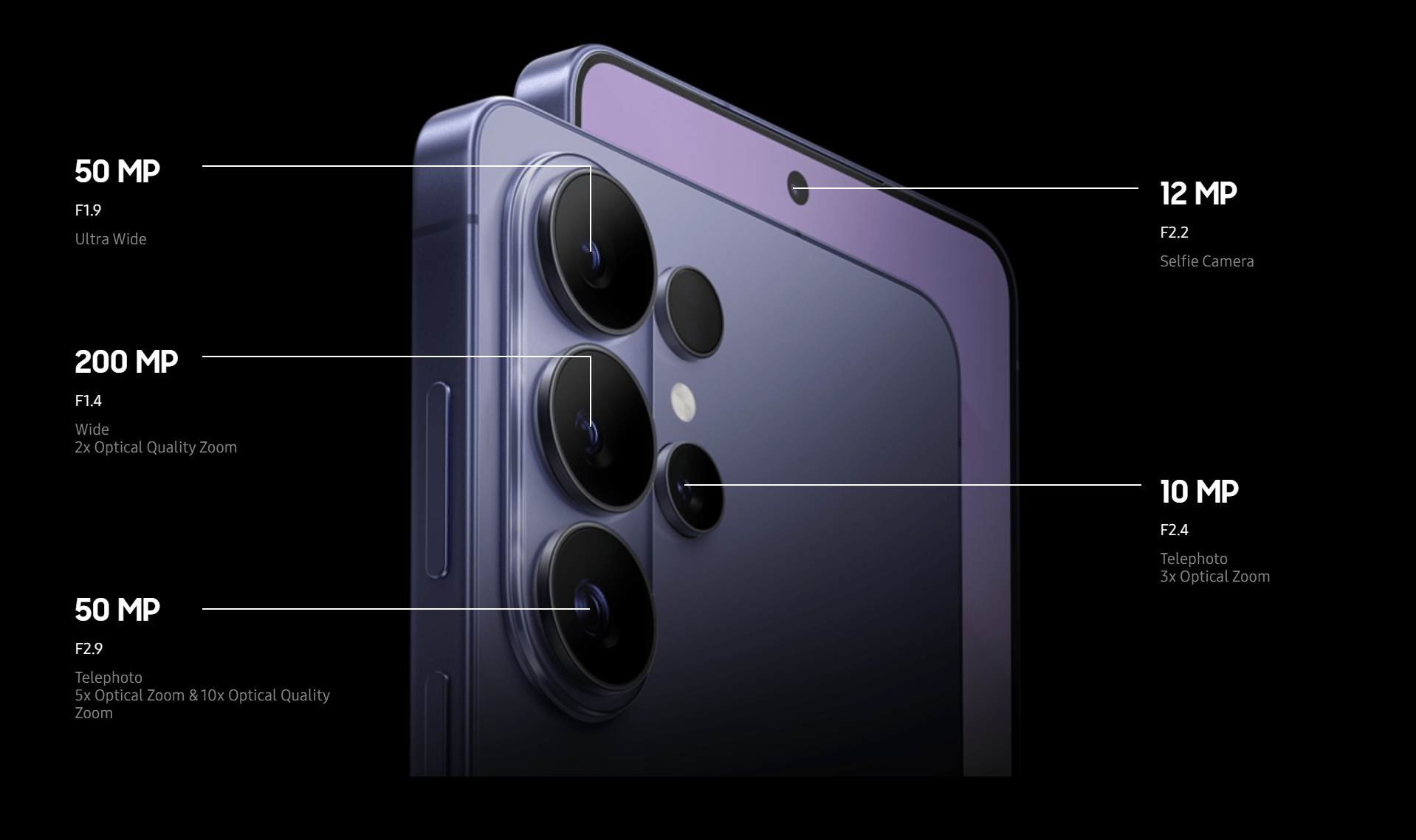
The Find N6 is expected to feature an 8.12-inch folding display and a 6.62-inch cover screen. Oppo’s Find X and Find N series will form the backbone of its premium assault on Samsung in Australia and Europe.
Samsung’s Aperture and AI Counterattack
Samsung officially unveiled the Galaxy S26 Ultra this week, maintaining its quad-camera array — 200MP wide, 50MP ultra-wide, 50MP 5x periscope and 10MP 3x telephoto — but shifting strategy from megapixel escalation to improved light capture and AI integration.
The 200MP main sensor now features an f/1.4 aperture, up from f/1.7 in the S25 Ultra, allowing 47% more light intake. The 50MP 5x telephoto lens has also been widened, delivering 37% more light for improved long-range night photography.
Samsung is also targeting content creators with advanced video features, including:
Super Steady with Horizontal Lock, which uses gyroscope and accelerometer data to stabilise horizon alignment during movement.
8K to 4K Auto-Framing, capturing in 8K and using AI to crop dynamically to a 4K frame while tracking subjects.
APV codec support, enabling near-lossless professional-grade video editing.
Samsung describes the S26 Ultra’s defining feature set as combining enhanced physical optics with “Agentic AI” image processing.
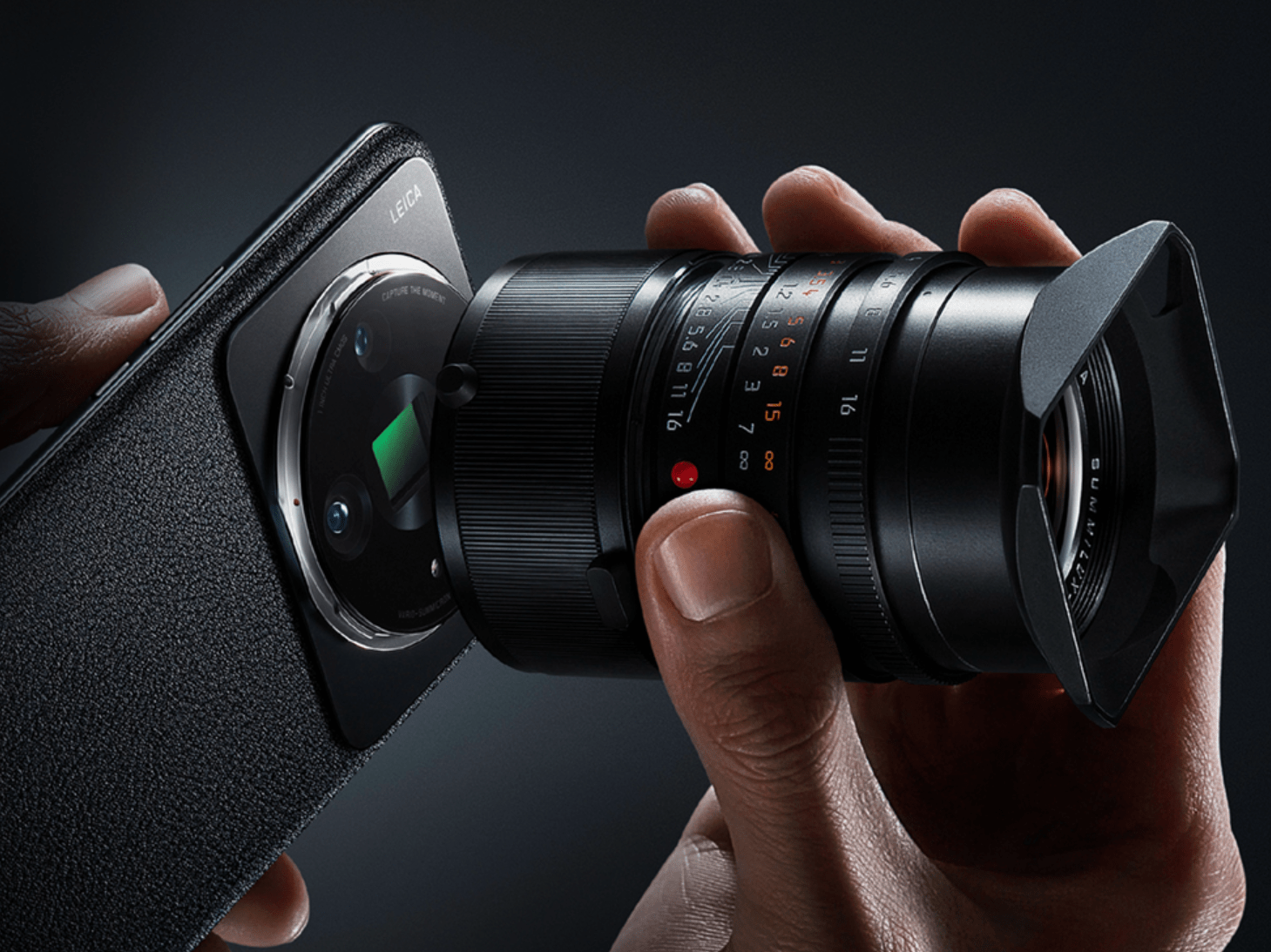
With Xiaomi escalating its Leica-backed imaging credentials and Oppo advancing foldable camera hardware, the premium Android segment is shifting from incremental upgrades to a full-scale optics and processing war.
While Samsung retains a commanding lead, particularly in Australia and the United States, the latest product launches suggest the next phase of competition will be decided not by volume — but by who can claim the title of best smartphone camera in the premium tier.