REVIEW: AI, Art And Anti-Glare Make Samsung’s 2026 OLED TV Range More Than Just Another Premium Screen
 Joe Gallop
17 Jun 2026
Joe Gallop
17 Jun 2026
Samsung’s 2026 OLED TV range is impressive, but I went in sceptical about one of its headline tricks: AI on the TV.
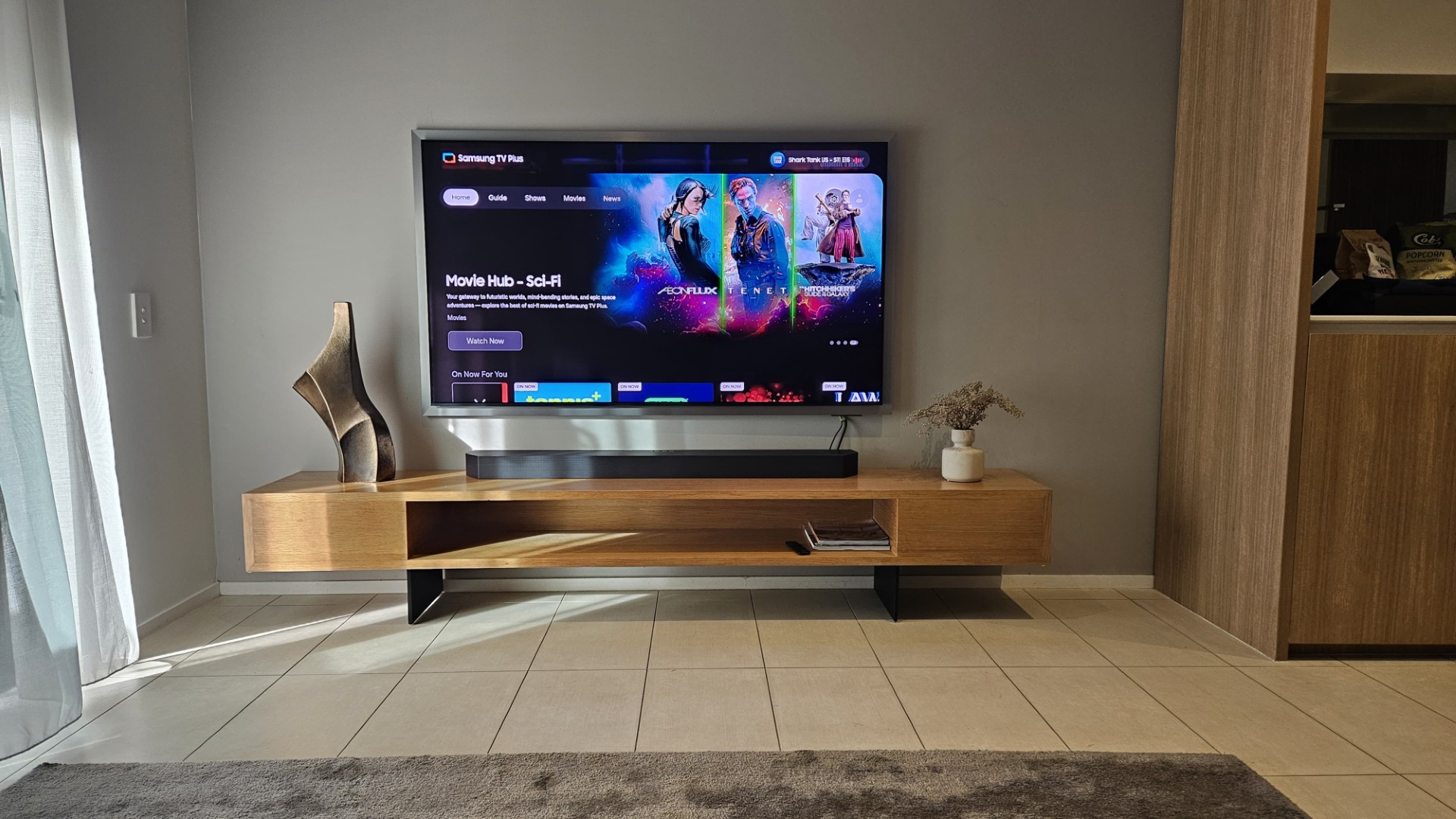
The pitch is simple enough. Rather than reaching for your phone mid-movie to check what else an actor has been in, ask the TV – or ask it just about anything else for that matter. Instead of doomscrolling during a show, Samsung’s Vision AI Companion can surface recommendations, context and settings suggestions on screen while the program keeps playing.
In theory it makes sense, but in practice I’m still not convinced a pop-up full of text is always less distracting than quickly pulling out a phone. That said, Samsung’s implementation is quick, polished and intuitive.
Ask the right question and the TV responds fast enough that, given time, I can see myself using it. Ultimately, the AI features feel more like a nice-to-have than a must-have, but if they are already built into a premium TV that you can justify spending money on, why not use them?
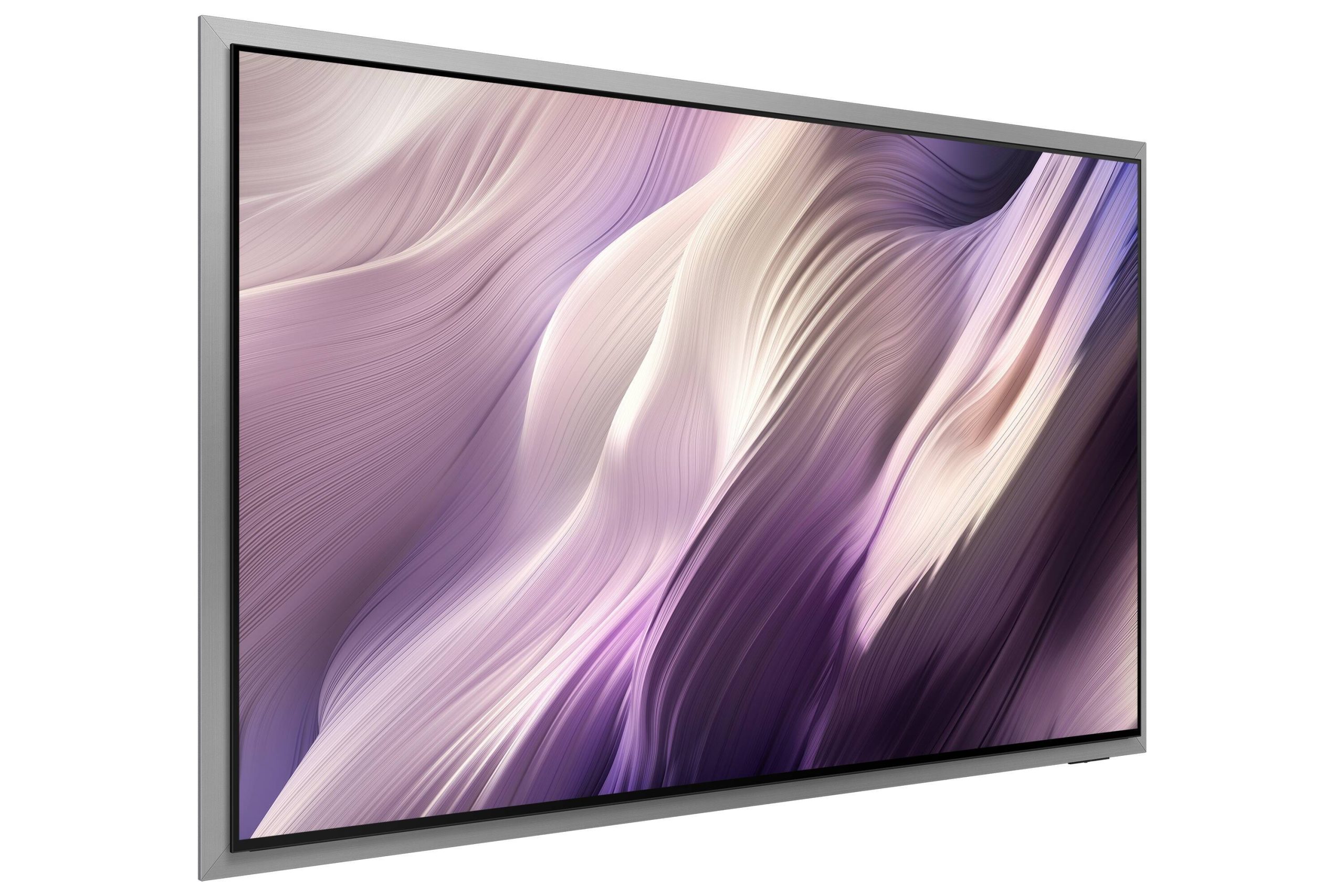
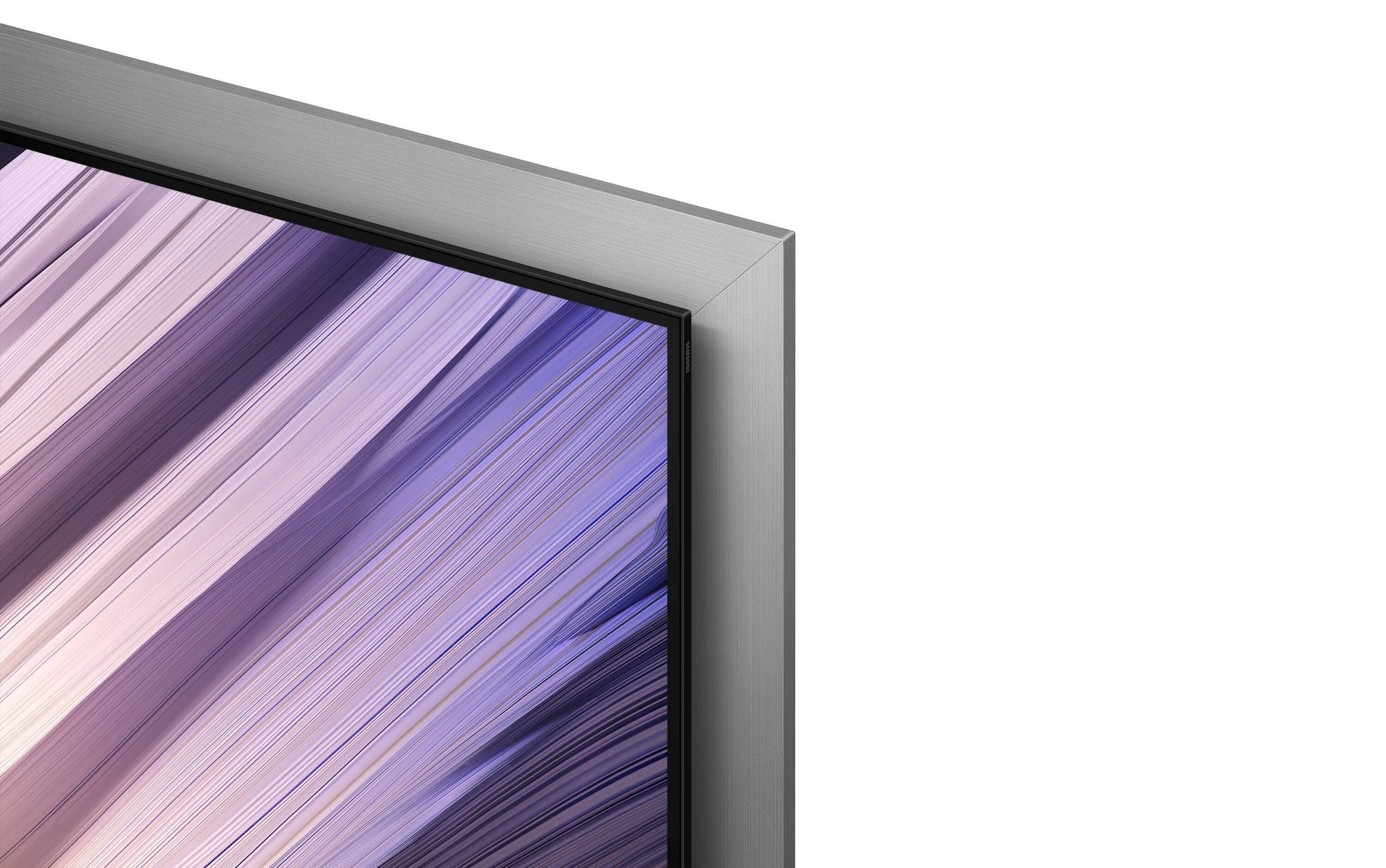
The first thing you notice on the flagship S95H is the aluminium frame. At first, it looked slightly out of place on an OLED, but it grew on me. Samsung says the ‘FloatLayer Design’ is there because buyers want Frame-style lifestyle appeal without giving up flagship picture quality. The S95H can sit flush against a wall with Samsung’s Slim Fit Wall Mount, and it now brings the Art Store to OLED for the first time.
That Art Store feature was more convincing than expected. I had not dived into the store before, but the range is impressive, with more than 5,000 works available via subscription, plus free rotating pieces. The effect on the S95H is remarkably realistic – you can see brush detail and canvas texture. It would work well as a slideshow for a party or social gathering when you want the TV to become part of the room rather than dominate it.
Picture quality is where these TVs make their strongest case. The S95H and S90H both get Samsung’s certified glare-free technology, and watching beside a hotel-room window, I noticed virtually no glare. Even when the screen went black, there was none of that ‘Black Mirror’ moment where you suddenly see yourself reflected and start questioning how much TV you’ve watched. Perhaps that is not entirely a good thing.
Sport is another obvious strength. The green of a football pitch really pops on Samsung’s OLED panel. I’m watching my third World Cup game of the day while writing this and, if I’d watched the same number on that TV, I might even need to turn it down a notch due to the pitch looking very bright and saturated, which is impressive at first – though potentially a little much after hours of watching.
The TVs’ AI Soccer Mode Pro can automatically detect football and adjust the picture and sound to suit, boosting elements such as the grass, jerseys, commentary and stadium atmosphere, while also helping smooth the motion of the ball. Similar processing can benefit other sports too, including tennis.
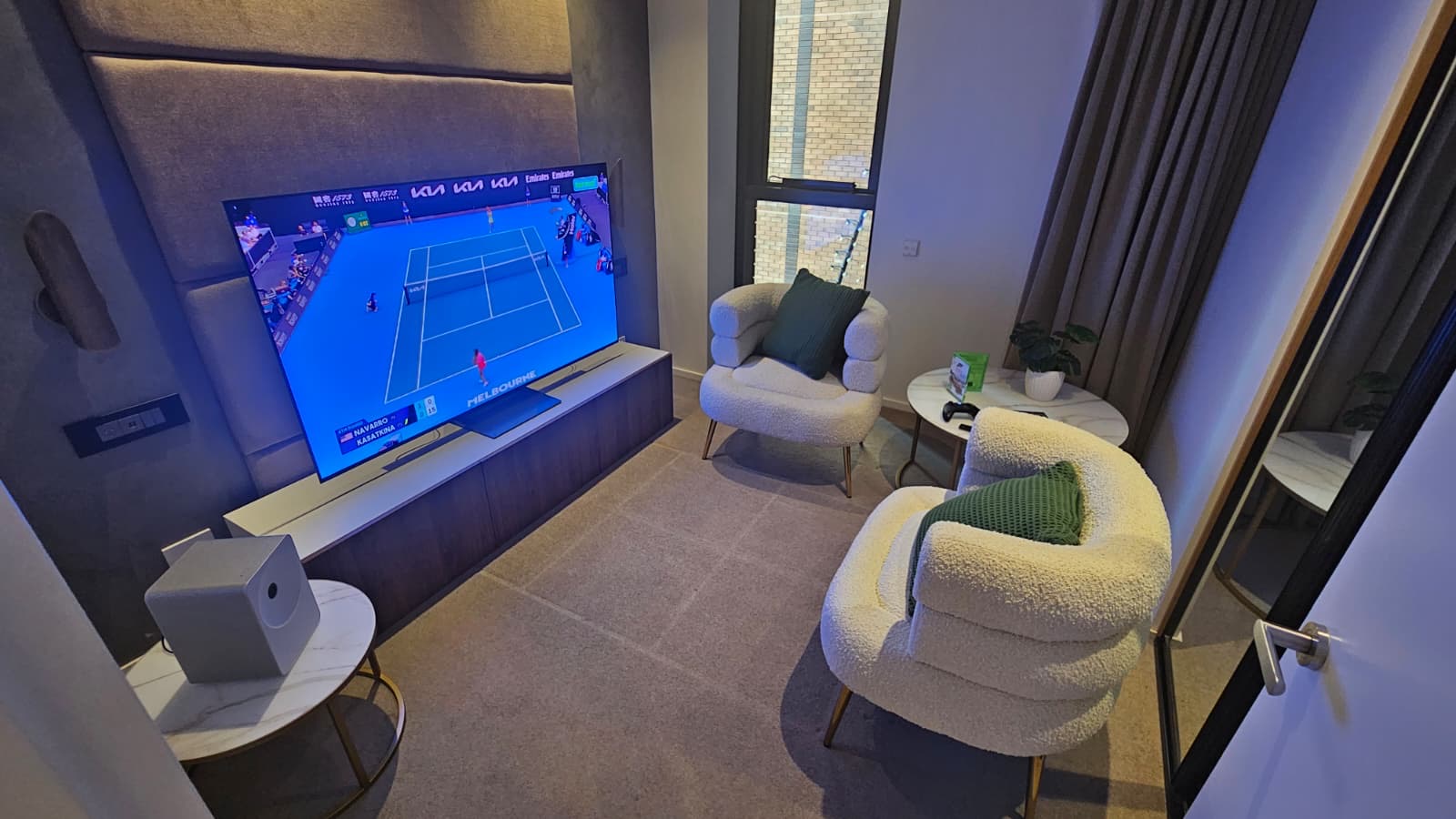
Gaming on the S90H was also a highlight. I played Forza Horizon 6, which mostly reminded me how rusty I am at racing games, but the TV itself was excellent. Motion was fast and clean, and with 165Hz support, NVIDIA G-SYNC and AMD FreeSync Premium Pro on the S95H and S90H, Samsung is clearly chasing serious gamers too.
The range is broad: S95H, S90H and S85H models run from 42 inches up to 83 inches, with RRPs from $1,999 to $9,999.
The S85H looks like the value play, the S90H is probably the sweet spot, and the S95H is the one for people who want OLED performance, wall-mounted design and art-gallery polish in one premium package.