US Government Freezes Green Card Applications for Microsoft, Adobe And Other Tech Giants
 Dominic Bayley
09 Oct 2026
Dominic Bayley
09 Oct 2026
The US government has suspended access to a key employment-based green card program for several major technology companies, including Microsoft and Adobe, following allegations that they favoured foreign workers over American job applicants.
The crackdown also affects Cognizant, Infosys, Tata Consultancy Services (TCS), Wipro, HCL Technologies and Capgemini, with the Department of Labor announcing it would stop accepting new permanent labour certification applications from the companies and halt processing those already submitted.
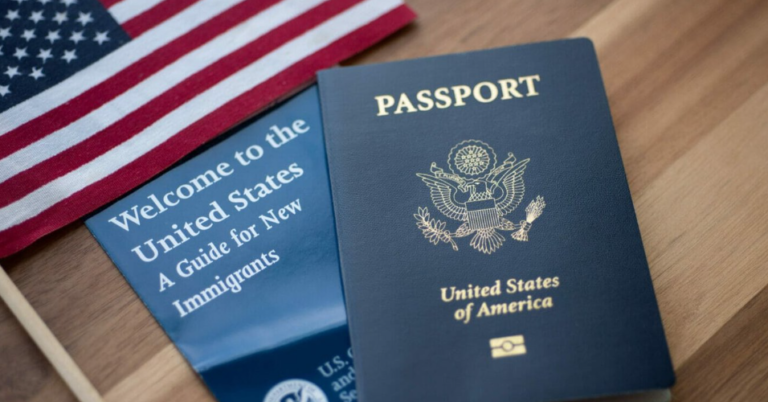
The move targets a process used by employers to sponsor foreign workers, including those holding H-1B visas, for permanent residency in the United States.
Labor Secretary Keith Sonderling confirmed the restrictions, saying the department would no longer accept or process pending permanent labour certification applications involving the affected businesses.
Vice President JD Vance accused the companies of exploiting federal immigration programs by deliberately limiting the visibility of job advertisements to American workers before seeking to recruit foreign employees.
According to Vance, the practice allows employers to claim there are insufficient qualified domestic applicants, potentially enabling them to fill positions with workers from overseas.
Microsoft was singled out during the announcement, with Vance alleging that the software giant had made particularly extensive use of the system.
However, Microsoft has rejected the suggestion that its hiring practices are designed to displace American workers.
In a statement, the company stressed that the overwhelming majority of its US workforce consists of American employees and said it would provide the administration with additional information about its recruitment practices.
Microsoft revealed that it submitted approximately 6,000 H-1B visa applications during the previous financial year, but said around 80 per cent involved extending or changing the immigration status of existing employees rather than recruiting new workers.
The company added that its remaining applications involved individuals already legally residing in the United States who had chosen to join Microsoft.
According to Microsoft, these new hires represented just one per cent of its US workforce and did not involve bringing additional workers into the country.
Microsoft also maintained that it only submits H-1B petitions for applicants who meet the program’s strict eligibility requirements.
Figures from US Citizenship and Immigration Services, cited by Reuters, identify Amazon as the largest employer of H-1B visa recipients, followed by Tata Consultancy Services, Infosys, Apple and Microsoft.
The latest restrictions follow previous investigations into employment-based immigration practices at major technology companies.
In August, the Department of Justice secured a US$3.2 million settlement with OpenAI over allegations that the company had failed to adequately advertise job opportunities to American workers while favouring applicants holding temporary employment visas.
Similar investigations resulted in settlements involving Meta in 2021 and Apple in 2023.
The administration is also extending its scrutiny beyond the technology industry, announcing investigations into nine higher education institutions over alleged misuse of J-1 visa programs.
Harvard University, Yale University and Stanford University are among the institutions identified for investigation.
The latest measures could create additional uncertainty for international technology workers seeking permanent residency, particularly those whose applications depend on employer sponsorship.
For the companies involved, the suspension could complicate efforts to retain overseas talent while the government examines their compliance with federal employment and immigration requirements.
The restrictions apply specifically to the Permanent Labor Certification (PERM) process, rather than automatically cancelling existing H-1B visas or permanent residency already granted to workers.
The suspension was announced on October 8, 2026, and the allegations involving the affected companies remain subject to investigation.