YouTube’s New Deepfake Detection Tool Sparks Concerns Over Use Of Creators’ Biometric Data
 April Ossington
03 Dec 2025
April Ossington
03 Dec 2025

A wave of concern is spreading among digital rights specialists after reports suggested that YouTube’s new deepfake detection tool could give Google broad access to creators’ biometric information. The tool, introduced as a safeguard against AI-generated impersonations, lets creators upload a short video of their face so the platform can identify unauthorised deepfakes.
If a match is found, creators can request that the video be removed. However, CNBC reported that Google’s policies would also allow the company to use the uploaded biometric data to train its own AI systems. That possibility has raised alarms among privacy advocates who say creators may be agreeing to far more than they realise.

YouTube disputes those concerns. Spokesperson Jack Malon told The New York Post that the company has never used biometric data from creators to train any AI models. He said the information is used only for identity checks and for detecting synthetic videos. Malon also pushed back at critics, saying some of the allegations come from commercial rivals who profit from selling their own paid safety tools.
According to CNBC, YouTube is reviewing the wording of its policy sign-up forms to reduce confusion, though it stressed the policy itself is not expected to change. The scrutiny comes at a time when major tech companies are racing to advance their AI offerings while trying to reassure users that privacy is not being compromised.
YouTube launched the deepfake detection tool in October as part of an effort to help creators respond to unauthorised use of their likeness. Amjad Hanif, YouTube’s head of creator product, told CNBC the company plans to roll out the feature to more than 3 million members of the YouTube Partner Program by the end of January.
To access the tool, creators must provide a government-issued ID and upload a facial video. The system then scans new YouTube uploads at scale. This biometric content is covered under Google’s broader privacy policy, which states that publicly shared material may be used to help train Google’s AI products such as Gemini Apps and Cloud AI services.
When the detector flags a potential deepfake, the creator is sent a notice and can decide whether to request removal of the content. Hanif said actual takedowns remain relatively low, suggesting many creators prefer to simply be informed rather than pursue removal.
Online safety experts view the situation differently. They argue that low takedown numbers reflect confusion over what the tool does and how the biometric data might be used. Companies like Vermillio and Loti, which help celebrities manage and protect their likeness rights, said they have seen significant growth in demand as AI-generated impersonations become more common.
Dan Neely, CEO of Vermillio, said creators should think carefully before handing over their facial data. According to Neely, training data has become a highly valued commodity and creators risk losing control of one of their most important assets if they entrust it to large platforms. Loti CEO Luke Arrigoni echoed the warning, saying the risks tied to YouTube’s current handling of biometric data are extremely high. Both executives said they would not recommend the tool to their clients.
Some creators are already experiencing the fallout of deepfake misuse. Mikhail Varshavski, better known as Doctor Mike, said he discovered an unauthorised deepfake of himself on TikTok promoting a supposed miracle supplement. Varshavski, who has more than 14 million YouTube subscribers, said the impersonation alarmed him because it threatened the trust he had built with his audience over years of health content.
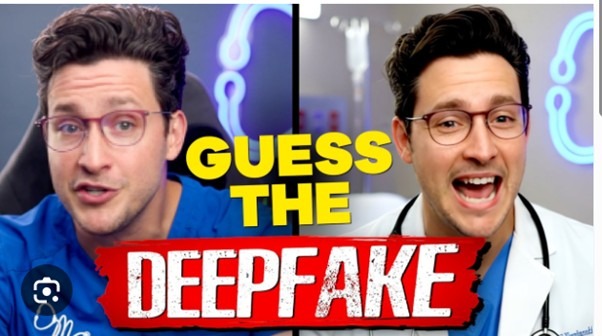
Screenshot taken from YouTube
He told CNBC that seeing his likeness used to mislead viewers was deeply unsettling, especially when it involved false medical claims that could harm people.
Creators currently have no mechanism to profit from deepfake videos that appropriate their likeness, even when the videos are monetised or used in advertising. Earlier this year, YouTube began allowing creators to opt in to letting outside companies train AI systems using their content, but this program provides no direct compensation either.