Your TV Is The Product: LG Shrugs Off OLED Slump As Data And Ad Dollars Roll In, Murdoch’s $22 Billion Roku Grab Confirms The Play
 David Richards
17 Jul 2026
David Richards
17 Jul 2026
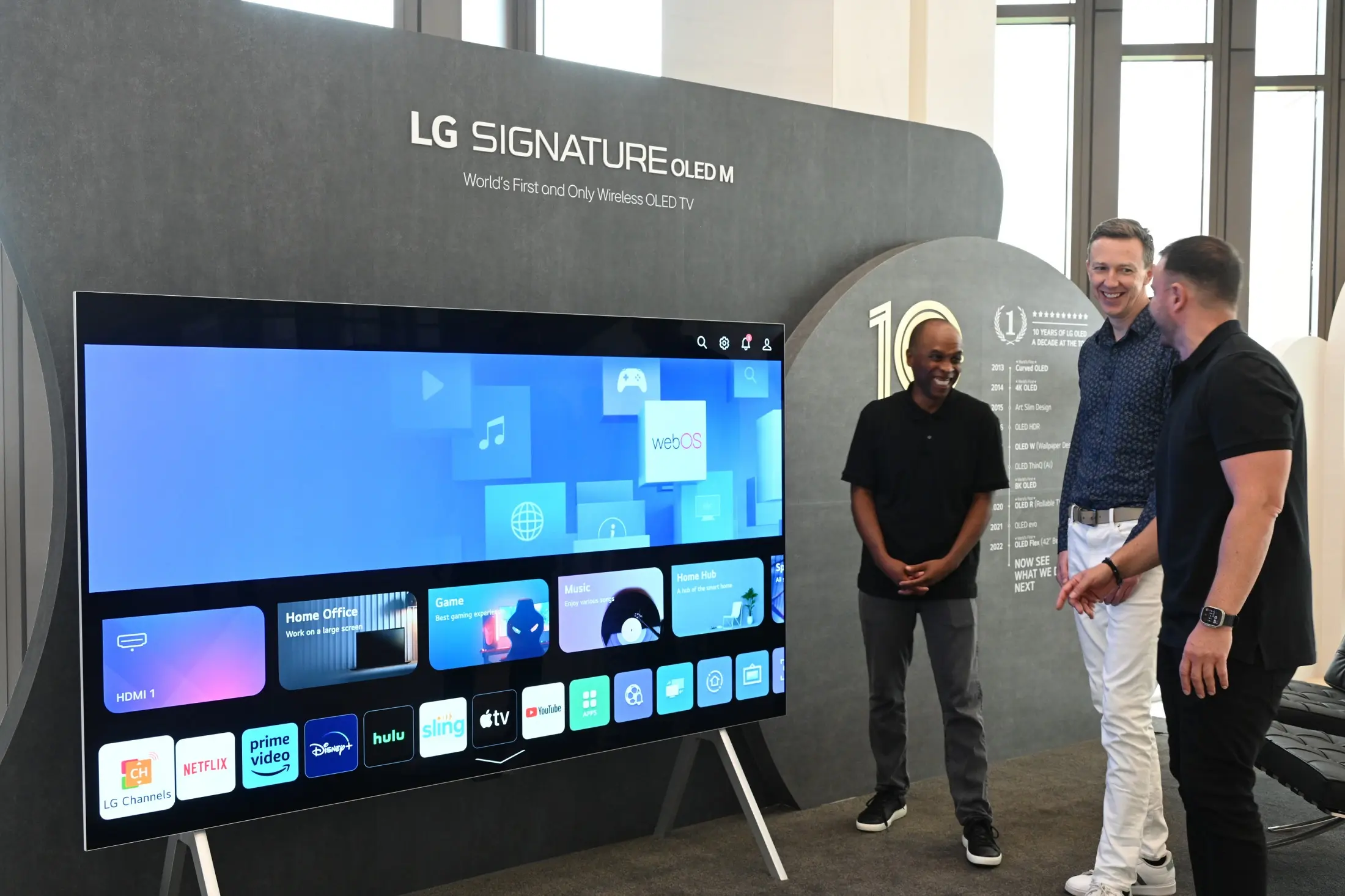
OLED TV sales are flat at LG Electronics, and the Korean giant does not appear remotely worried, because the real money is no longer in selling televisions, it is in selling you.
LG, along with arch rival Samsung, is quietly raking in millions of dollars by harvesting data about what Australians watch and selling it to third parties, while serving up home screen advertising that competes directly with free to air TV networks for local ad dollars.
The pair are also holding TV prices flat despite a significant lift in memory chip prices, a move analysts say only makes sense if the hardware is being subsidised by what happens after the TV leaves the store.
If anyone doubted where the value in the TV business now sits, Lachlan Murdoch’s Fox Corporation has just answered the question with a $22 billion cheque.
Fox’s move to acquire streaming platform giant Roku, announced in June and expected to close in the first half of 2027 subject to regulatory approval, is a bet on exactly the same model, the home screen, the ad inventory and the first party viewing data of more than 100 million households, not the hardware.
LG’s Pivot Away From Consumers
Yesterday LG Group held a major management gathering in Korea, and consumer products were barely on the agenda.
The company’s expanded management meeting, chaired by CEO Lyu Jae-cheol, brought together more than 300 executives from Korea and overseas, including Australian executives, with headquarters and business unit leaders as well as regional chiefs and overseas subsidiary heads attending in person and online.
The focus was AI data centres, cooling technology and future B2B businesses. The only thing remotely consumer related was AI powered homes.
The Real TV Profit Model
Analysts believe the billions that Samsung and LG Electronics are generating from having the biggest TV footprint in the world is increasingly coming from data sales and advertising, with their TVs being re-engineered to capture more data, in LG’s case via its webOS smart TV software.
According to market analysis firm Omdia, Samsung and LG TV prices have remained relatively unchanged this year despite a significant rise in the cost of memory.
“What surprised analysts was that TV prices remained largely unchanged even as memory chip prices increased. The TV industry’s profit model is increasingly shifting away from hardware margins and toward advertising revenue generated through smart TV operating systems and connected TV platforms,” said one industry analyst.
Earlier this year Samsung warned that TV prices could rise due to what it dubbed ‘RAMageddon’, but so far this has not happened to any significant degree.
In Q1 2026, TV sales rose 6 per cent compared to the same period last year, attributed to the FIFA World Cup and continued favourable pricing.
In Australia, Samsung has been stripping OLED TV sales away from LG for several months, with its new range set to erode more LG sales running into the second half of the year.
The Smart TV Bait And Switch
The smart TV concept was sold on the promise of giving viewers access to a universe of streaming. What it has actually ushered in is a reality where viewers are bombarded with ads on the home screen and throughout the interface, both traditional ad banners and paid content dressed up as ‘recommendations’.
Ads and data collection about viewing habits generate revenue for both Samsung and LG for years after the TV has been sold, allowing them to sell the hardware itself at wafer thin margins in stores and online.
It is mainly budget models that are sold at very low margins, but high end TVs typically run the same operating system as cheaper models, and therefore display the same ads and hoover up data in exactly the same way. A $5,000 flagship OLED spies on its owner just as enthusiastically as a $500 special.
The trend is particularly prevalent in Australia, where the home screen on both Samsung and LG TVs is more about making money for the brands than making it easy to access a program or streaming service, services the brands also clip the ticket on, charging a fee when a subscription is signed up via their smart TV storefronts.
Murdoch’s Roku Deal Validates The Model
The clearest signal yet that the living room has become an advertising and data goldmine came in June, when Fox Corporation, run by Lachlan Murdoch, struck a definitive agreement to acquire Roku for US$160 per share in a cash and stock deal valuing the company at approximately US$22 billion.
Roku is the market leader in connected TV in the US with roughly 28 per cent market share, and the deal hands Fox a direct relationship with more than 100 million streaming households, along with The Roku Channel and, critically, Roku’s trove of first party viewing data.
Murdoch called the acquisition a “defining moment” for Fox, and the industry read is blunt, Fox is not buying set top pucks, it is buying the front door to the connected living room and the ad dollars that flow through it.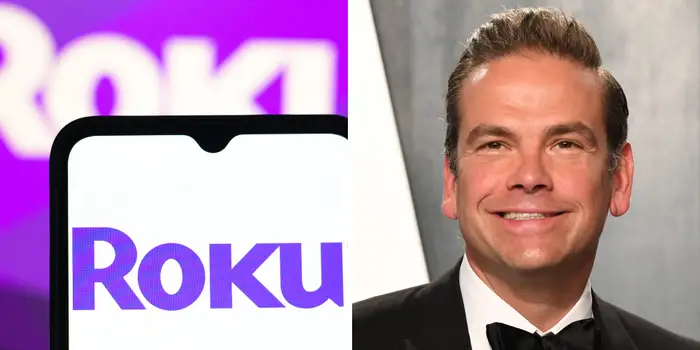
The irony is not lost on the market. Fox sold its 6 million Roku shares at US$58 apiece back in 2020 to help fund its US$440 million acquisition of ad supported streamer Tubi. It is now buying the entire company at US$160 a share.
The deal also lands in the middle of a brutal consolidation wave. Skydance swallowed Paramount in 2025, and the combined Paramount Skydance has since moved on Warner Bros. Discovery. Streaming now accounts for roughly 48 per cent of all US TV viewing, and the message to the market is unmistakable, whoever controls the platform, the home screen and the data controls the future of television advertising.
For Australian free to air networks already bleeding ad revenue to smart TV platforms, a Murdoch controlled Roku with global scale and Fox content muscle should be ringing alarm bells.
The Retailers Want In Too
In the USA, retail giant Walmart acquired TV brand Vizio precisely so it could serve ads based on combined data collected in the living room and in its supermarkets.
In Australia, both Coles and Woolworths, whose group owns Big W, have looked at the Walmart model with a view to rolling out their own TV network locally.
Ad supported TV platforms such as Roku and Amazon Fire TV are also widespread in the market, largely due to the very low hardware cost of a puck that can easily be attached to any TV.
New Players Circling
Omdia predicts that smart TV systems that did not exist at all in 2022 will account for 28 per cent of TV platform usage by 2030.
The bad news for Samsung and LG in some markets is that Vidaa and the Home OS found in Hisense TVs, Titan OS in Philips TVs and TiVo OS are all growing at the expense of Google TV, LG webOS and Samsung Tizen, the platforms found in most Australian TVs.
Several of these newer TV platforms are built from the ground up around ads and data collection. The race is no longer about who makes the best panel, it is about who owns the eyeballs, and the data, in front of it.