OLED TVs Hit By ‘Edge Rot’ As Long-Term Testing Reveals Dead Pixel Problem
 Dominic Bayley
11 Nov 2026
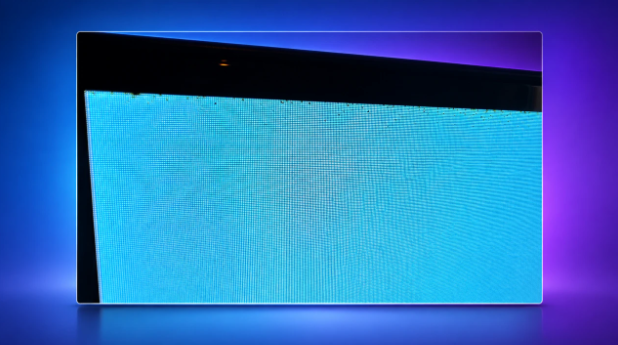
A new investigation into OLED television reliability has uncovered a potential problem affecting older screens, with clusters of dead pixels appearing around the edges of some panels after prolonged use.
The issue, known as “edge rot”, was identified by review site Rtings during an 18,000-hour accelerated longevity test designed to assess how televisions perform as they age.
Unlike OLED burn-in, which is commonly associated with static images remaining on screen for extended periods, edge rot is a separate form of panel degradation that can cause visible defects along the display’s borders.
Rtings found the problem in several televisions manufactured between 2020 and 2023 using LG Display’s WOLED panels.
Importantly, the issue is not exclusive to LG-branded televisions, as other manufacturers also use LG Display’s OLED technology.
Older WBC-type WOLED panels appeared particularly susceptible, although the problem was also detected in newer WBE panels, commonly marketed as OLED EX.
However, Rtings did not test televisions released from 2024 onwards, leaving questions about whether more recent OLED models face similar risks.
The review site suggested that manufacturing improvements introduced since 2024 may have addressed some of the underlying causes.
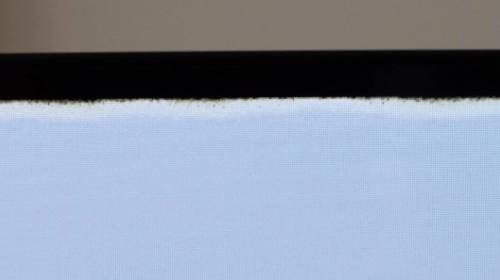
LG Electronics and LG Display have acknowledged the phenomenon, saying it may occur in a very small number of OLED products subjected to prolonged exposure to high temperatures, humidity or other harsh environmental conditions.
The companies stressed that edge rot is not expected during normal everyday viewing and said they continue to improve panel design and manufacturing processes to strengthen long-term reliability.
Samsung Display’s competing QD-OLED panels did not exhibit the same problem during the testing, while none of the three OLED monitors examined showed signs of edge rot.
Based on its findings, Rtings concluded that WOLED televisions may have marginally lower expected long-term reliability than QD-OLED models.
However, it maintained that both OLED technologies remain strong choices for overall durability.
The results also come with some important limitations.
Only 16 WOLED and three QD-OLED televisions were included in the study, while the 18,000-hour test represents approximately 10 years of viewing at five hours per day.
That does not mean edge rot will inevitably develop after a decade of use.
While the findings raise questions about the long-term performance of some older OLED panels, there is currently insufficient evidence to suggest that newer OLED televisions face the same problem.