Wilson Win Hands Gas Appliance Makers A Reprieve, Heat Pump And Induction Suppliers Lose Their Regulatory Tailwind
 David Richards
30 Nov 2026
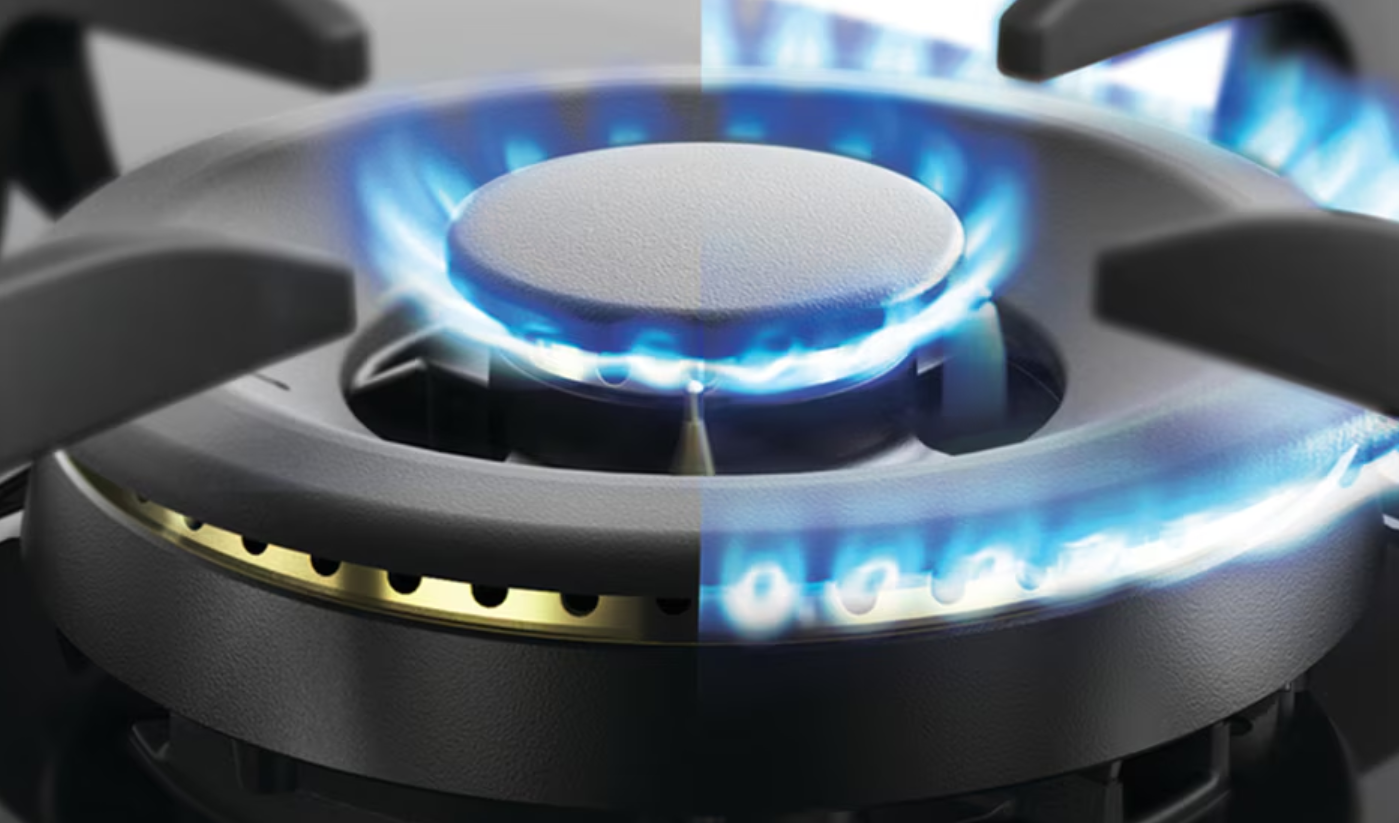
Gas appliance suppliers Electrolux, Westinghouse, Rinnai, Rheem and Bosch are set to be big winners following the election of a Liberal Government in Victoria, with the incoming Wilson government pledged to scrap Labor’s gas restrictions within 100 days, keeping Australia’s biggest residential gas market open for new-build and replacement sales with gas appliance sales set to get a big boost.
The move is also set to benefit retailers of gas appliances including The Good Guys, e&s and Harvey Norman.
The losers could be suppliers who had already ordered and were shipping heat pump and induction products that were set to cost Victorians extra to install.
The move means heat pump and induction suppliers lose a guaranteed, regulation-driven sales boost that was due to kick in within weeks.
The Liberal party swept to power in Victoria on Saturday in a landslide, ending 12 years of Labor government and defeating Ben Carroll’s administration.
What Was About To Hit The Market
Labor’s rules were weeks away from hurting gas appliance Companies.
From 1 January 2027, all new homes and most commercial buildings were to be built all-electric, with no gas connections, piping or gas appliances in building permits.
From 1 March 2027, any gas hot water system in an existing home that broke down beyond repair had to be replaced with an electric unit, typically a heat pump. Rentals faced tougher rules, with both gas hot water and gas heaters to be replaced with electric options at end of life.
Gas cooktops and heaters in owner-occupied homes were never caught. Labor had already watered down its 2024 draft plan, which would have forced end-of-life gas heaters out of existing homes as well.
Since January 2024, new homes needing a planning permit have already been restricted to all-electric connections.
The Real Prize Is Hot Water
For the gas appliance industry, the big win is the replacement hot water market. Victoria has the highest residential gas use in the country, and every failed gas storage or continuous flow system from March would have been a forced sale for a heat pump supplier.
Under the Wilson plan, that replacement market stays open to Rinnai, Rheem, Bosch and Dux style gas units, along with gas heating and cooking ranges in new homes.
Wilson’s promise covers both ends of the market. The Coalition has pledged to end the new home connection ban and the requirement to replace old gas appliances with electric versions.
“Victorians should decide how they cook their meals, heat their homes and run their businesses, and under a Liberal and Nationals Government, they will,” Wilson said during the campaign.
Not A Clean Win For Gas
The biggest gas brands are hedged.
Rheem and Rinnai both sell heat pump hot water systems, so a regulated switch would have shifted their mix rather than wiped out their Victorian business.
The structural headwinds also remain.
Master Plumbers CEO Ashleigh Dalmau has put the cost of a new gas connection at about $15,000, a figure that has risen every year for five years.
The number of licensed gasfitters has shrunk after a decade of decline, and some councils have not issued permits for new gas connections for several years.
Gas network data shows household gas use falling faster than new connections are being added, and regulators are already writing rules to manage a network “death spiral” where those who can leave do, and those left behind pay more.
Builders are on side.
Simonds Group CEO Rhett Simonds backed the Coalition position, arguing buyers should be able to choose between gas and electric.
Who Loses
Heat pump makers and installers were the clear regulatory winners under Labor.
The March 2027 hot water rule, backed by Victorian Energy Upgrades and Solar Victoria rebates, was set to deliver a steady stream of forced replacements.
Induction suppliers lose the new-build guarantee. From January, every new Victorian home would have been fitted with electric cooking, a locked-in channel for induction brands into the builder and project home market. Labor had also committed $9.5 million to an industry diversification program to prepare local manufacturers for electric hot water demand.
Retailers such as JB Hi-Fi’s The Good Guys, Harvey Norman and Winning Appliances now face a split market again, with gas and electric ranges both needing floor space in Victoria.
The Timing Problem
The 100 day clock creates an awkward window. If the government is sworn in during early December, 100 days runs to around mid-March 2027, after both the 1 January new-build rule and the 1 March hot water rule are due to start.
Unless the Wilson government moves quickly to pause or defer the start dates, builders, plumbers and suppliers could face weeks of operating under rules that are about to be scrapped.
Environment groups have already warned the incoming premier that leaning on gas will push up household bills as Bass Strait supply runs down.