Samsung Splits Home Appliance And Air Conditioning Operations In Major Restructure
 April Ossington
27 Nov 2026
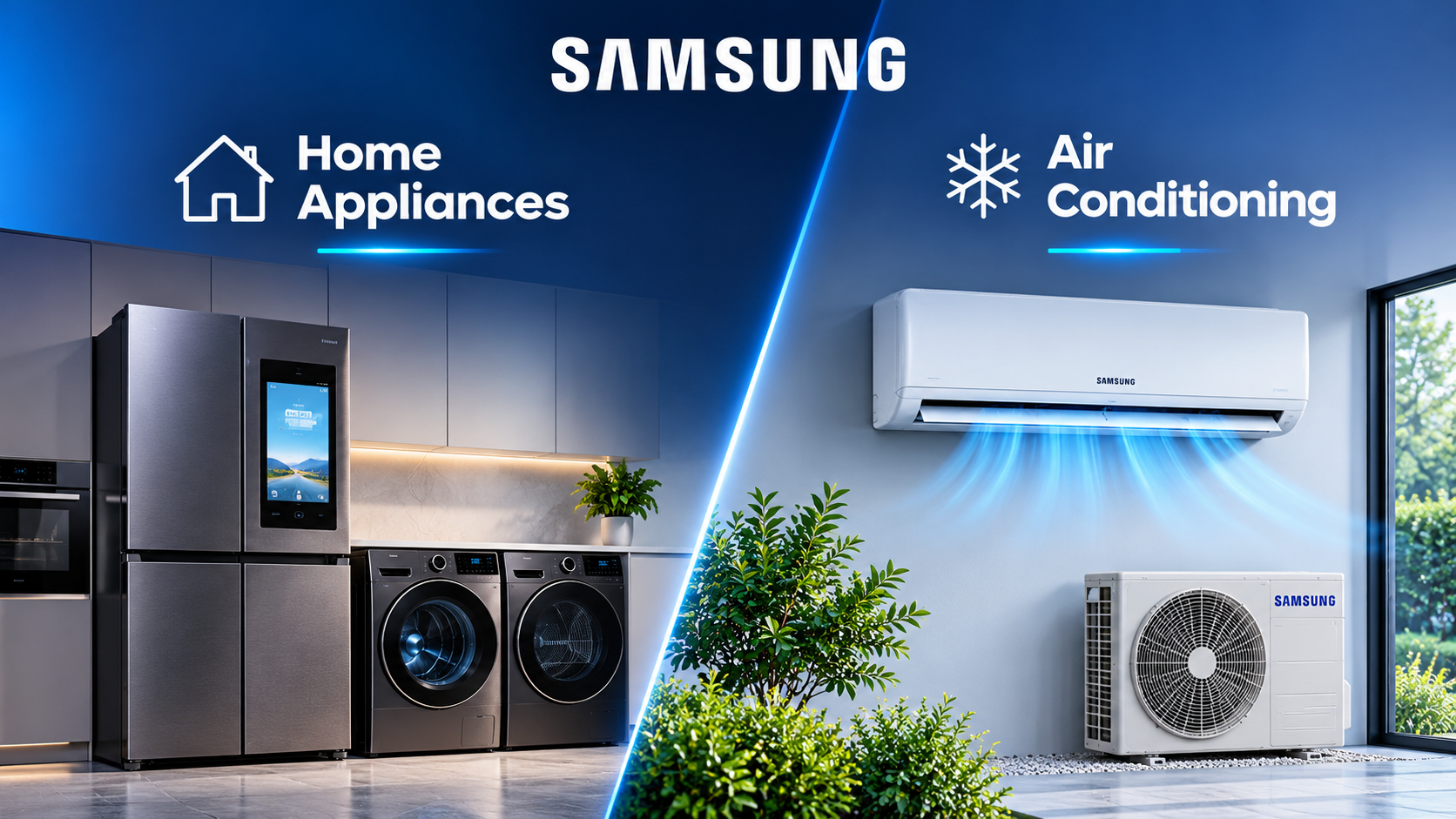
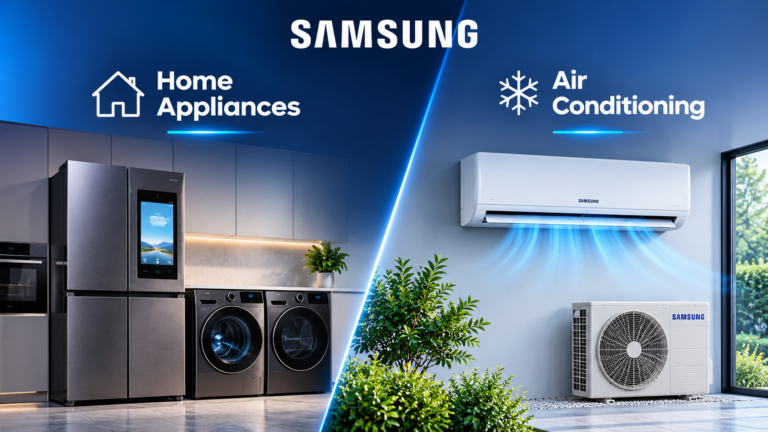
Samsung Electronics is reportedly overhauling its global Digital Appliances division, separating its home appliance and air conditioning operations as the South Korean manufacturer looks to strengthen its position across both markets.
According to reports from South Korean media, the organisational changes are expected to take effect on 1 December 2026, giving the company’s traditional household appliance and heating, ventilation and air conditioning (HVAC) businesses greater operational independence.
Refrigerators, washing machines and other domestic appliances will be consolidated under a dedicated Home Appliance business team, while HVAC operations will be managed by a separate business team within the Digital Appliances division.
Kim Cheol-gi, who heads the Digital Appliances division, will also reportedly assume responsibility for the Home Appliance business team.

Kim Cheol-gi
The restructure comes as Samsung looks to expand its presence in the global climate control market following its €1.5 billion acquisition of German HVAC specialist FläktGroup in 2025.
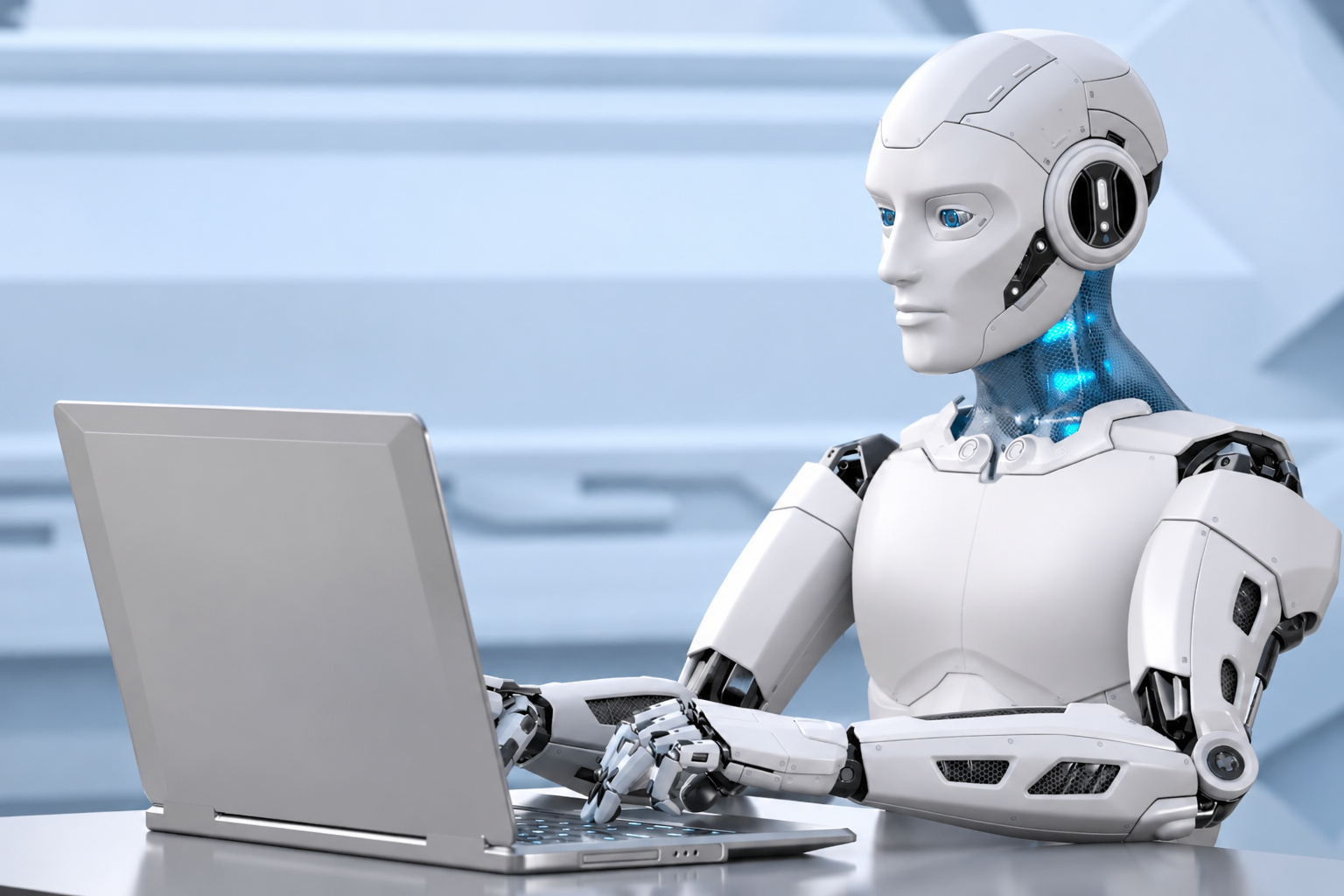
Samsung is also reportedly establishing a dedicated Home AI team to accelerate the integration of artificial intelligence across its product ecosystem, strengthening connectivity between household appliances, televisions and smartphones.
The company is further bolstering its mergers and acquisitions capabilities, with artificial intelligence and robotics among potential areas for future investment.
For the Australian appliance industry, the restructure could have implications for Samsung’s long-term strategy across refrigeration, laundry, residential air conditioning and commercial climate control.
Greater operational independence could allow the manufacturer to pursue more targeted product development and growth strategies across its respective appliance categories, while continued investment in AI could accelerate the development of connected household products.
The changes come amid growing competition in the global whitegoods and air conditioning markets, where energy efficiency, automation and smart home connectivity are becoming increasingly important points of differentiation.