Why Do Consumers Buy A Smartphone? Samsung Have The Answers & They Are Interesting
 David Richards
14 Oct 2026
David Richards
14 Oct 2026

Samsung has released new research revealing that consumers are increasingly buying smartphones based on lifestyle aspirations rather than simply replacing an ageing device, with battery life, performance, screen size and privacy emerging as major factors influencing purchasing decisions.
The findings come as Samsung ramps up efforts to convince consumers to move to more expensive premium Galaxy smartphones and foldable devices, a category where the South Korean manufacturer has invested heavily in new designs and technology.
The research, published on 13 October 2026, found that 66% of consumers surveyed chose their current smartphone with at least one personal interest or activity they wanted to pursue in mind, rather than simply considering what they needed from a phone at the time.
The findings suggest that smartphone manufacturers have an opportunity to convince consumers to upgrade by demonstrating how new features can improve their lifestyle, productivity and entertainment experiences.
Commissioned by Samsung and conducted by research company Censuswide, the survey questioned 5,001 adults aged 18 and over across multiple Counties between 25 and 30 September 2026.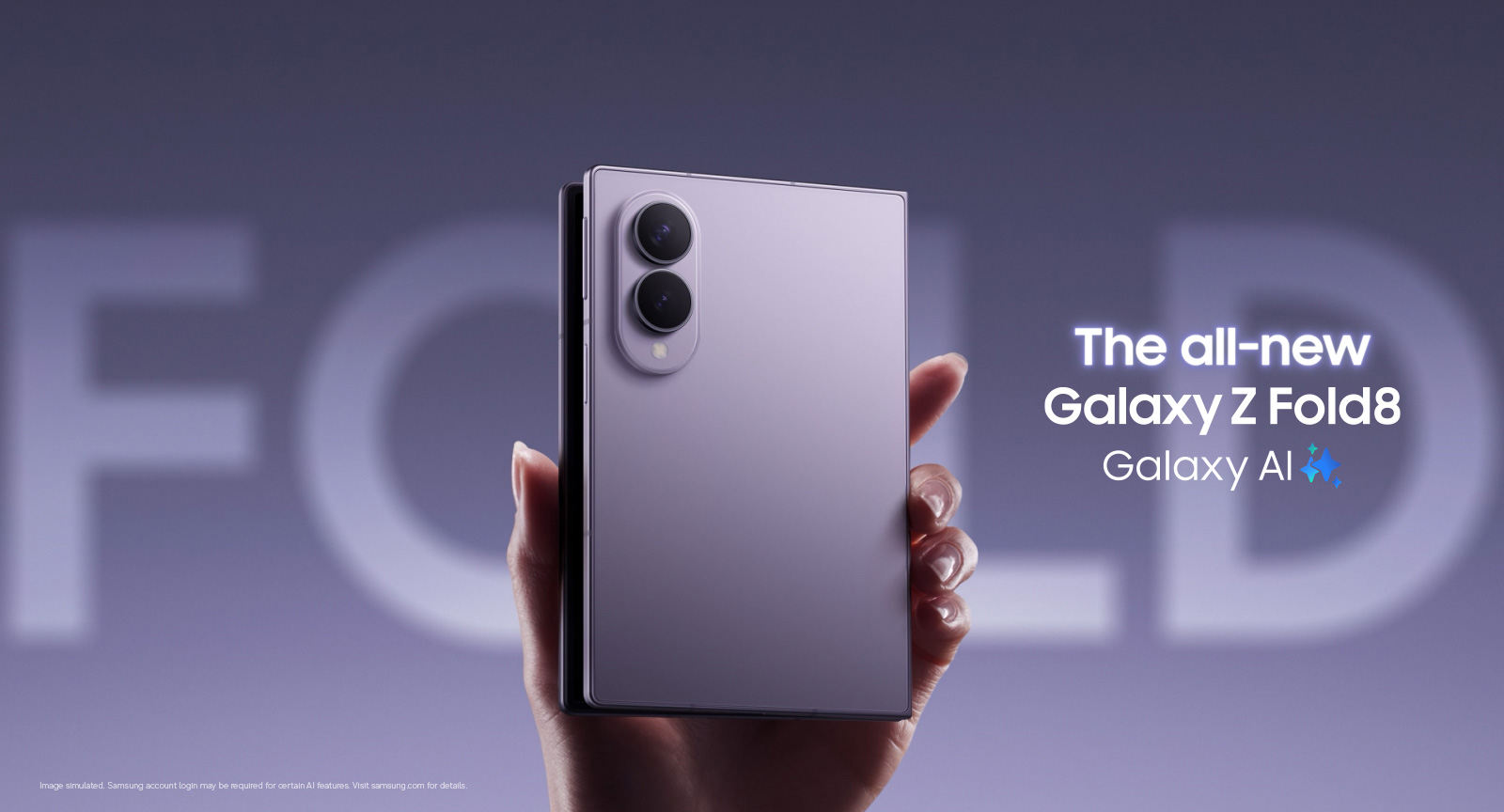
While the research was conducted in Europe, the findings are relevant to smartphone manufacturers and retailers in Australia, where convincing consumers to spend more on premium devices has become increasingly important.
One of the biggest findings was that battery life remains a major frustration, despite years of improvements in smartphone processors, battery technology and power management.
Some 36% of respondents identified having to charge their smartphone too frequently as one of their biggest annoyances.
Another 18% were frustrated by constantly switching between applications to complete tasks, while 14% complained that their smartphone did not provide enough screen space.
More significantly, 13% admitted they had been forced to move to a larger-screen device to complete an activity they had started on their smartphone.
This finding is particularly relevant to Samsung’s foldable smartphone strategy, with the company positioning its Galaxy Z Fold8 and Fold8 Ultra devices as alternatives to carrying both a smartphone and a tablet.
Privacy is also emerging as a significant purchasing consideration.
The research found that 27% of respondents had stopped or avoided accessing online or mobile banking in public because they were concerned that someone nearby could see information displayed on their screen.
Samsung is using this concern to promote the Privacy Display technology incorporated into its Galaxy S26 Ultra, which is designed to reduce the ability of people nearby to view sensitive information.
However, the research also raises questions about whether consumers will pay a premium for features such as privacy protection, larger displays and multitasking capabilities when many existing smartphones already meet their everyday requirements.
When questioned about what they wanted from their next smartphone, 22% nominated improved speed and performance as their leading priority.
Another 20% wanted to accomplish more without having to switch to a larger-screen device, while 15% wanted a thinner and more portable design.
The findings suggest that while artificial intelligence has become a major marketing focus for smartphone manufacturers, consumers remain concerned about practical issues such as speed, portability, battery life and usability.
Samsung’s research also found that 23% of consumers would consider purchasing a different type of smartphone if it offered a feature that improved something they regularly did.
Another 18% said greater privacy when using their smartphone around other people could persuade them to reconsider their current choice.
These findings are important for Samsung as it attempts to expand the market for foldable devices beyond early adopters and technology enthusiasts.
Younger consumers appear particularly receptive to new smartphone designs.
Among respondents aged between 25 and 34, 21% said they would consider a conventional-sized smartphone that unfolded into a small tablet.
Another 23% said a lighter or thinner smartphone that better suited their lifestyle could convince them to reconsider their usual purchasing decision.
Samsung is already positioning different devices around these requirements.
The Galaxy Z Flip8 is being marketed as a combination of fashion, portability and smartphone functionality, while the Galaxy Z Fold8 Ultra is aimed at consumers wanting a larger display and multitasking capabilities through Samsung’s Multi Window technology.
The Galaxy Z Fold8 is also being promoted as an entertainment device, with its larger folding display offering an alternative to conventional smartphones for streaming video, gaming and consuming content.
Benjamin Braun, Samsung Europe’s chief marketing officer, says the changing expectations of consumers help explain why Samsung now offers three types of foldable smartphones alongside its conventional Galaxy devices.
However, there is also a commercial reality behind Samsung’s strategy.
Premium smartphones and foldables offer manufacturers an opportunity to increase average selling prices at a time when the broader smartphone market is facing pressure from consumers holding on to their existing devices for longer.
For retailers including JB Hi-Fi, Harvey Norman, The Good Guys and telecommunications carriers, the challenge is convincing consumers that improvements in performance, screen technology and functionality justify the higher cost of upgrading.
Samsung’s research suggests that the next phase of smartphone competition may be less about specifications alone and more about persuading consumers that a different device can change how they work, communicate and entertain themselves.