The Four Tech Industry Challenges Set to Reshape 2027
 Emma Wheaton
14 Oct 2026
Emma Wheaton
14 Oct 2026

Technology companies face a number of growing pressures, with technology research firm Omdia identifying four major forces expected to reshape the industry in 2027.
According to Omdia, the focus is shifting from what technology can do to what it can deliver – economically, operationally and competitively.
The technology research firm drew on research and expertise to identify AI monetisation, supply chain volatility, digital sovereignty and Physical AI as the four forces likely to influence technology strategies and investment decisions next year.
Scrutiny On AI Spend
Despite continued investment in AI infrastructure, software and services, organisations will increasingly need to demonstrate measurable returns.
Omdia found that 59% of organisations expect their AI budgets to increase by at least 10% in 2027. However, businesses are expected to place greater emphasis on ROI and productivity improvements rather than only technical capabilities.
The shift could force technology vendors to provide clearer evidence of how AI products and services deliver commercial value. This will be particularly relevant as consumers continue to become more selective with spending.
Supply Chain Disruption: A New Normal
Supply chain volatility is expected to remain a major challenge, driven by demand for AI infrastructure, component constraints, geopolitical tensions, energy requirements and economic uncertainty.
Omdia said hardware delays are already affecting 60% of PC channel partners.

Rather than waiting for a return to normal, companies will need to strengthen supply chain resilience and adapt to continued disruption. Component availability and rising costs are expected to affect product launches, inventory management and profit margins across the consumer electronics and IT sectors.
Digital Sovereignty Comes At A Cost
More than 100 countries are pursuing digital sovereignty initiatives.
Omdia cautioned that complete technological independence is rarely practical or necessary. Organisations must determine which capabilities they need to control directly and where external partnerships remain essential.
The challenge will be balancing security and control against the costs and complexity of creating independent technology infrastructure.
Physical AI Moves Beyond Screens
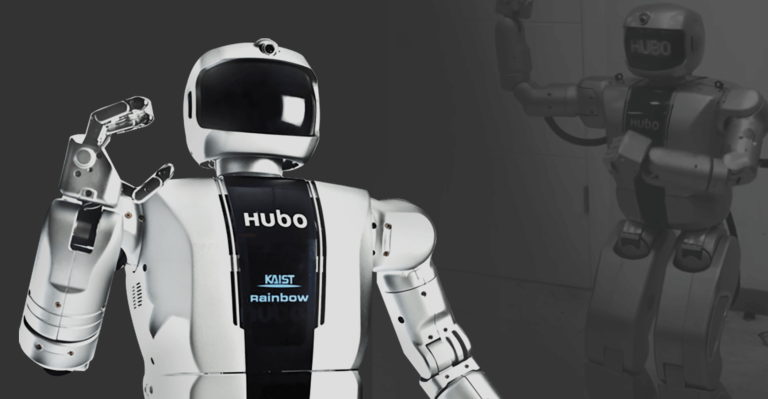
The fourth force is Physical AI, which brings the technology into real-world environments through robotics, sensors, edge computing and connected hardware.
Omdia expects global humanoid robot shipments alone to exceed 700,000 units by 2030. The opportunity extends beyond robotics to vehicles, buildings, energy infrastructure, workplaces and other connected environments.
As AI becomes embedded in physical systems, businesses will face additional challenges around safety, liability, integration, governance and trust.
According to Omdia chief research officer Evan Kirchheimer, the defining technology story of 2027 will be how recent investment and innovation meets economic and operational reality.
“AI needs to demonstrate returns. Supply chain disruption needs to be planned for rather than waited out,” Kirchheimer said.
He added that the four forces were increasingly interconnected, making it more important for businesses to understand the wider technology landscape when deciding where to invest and compete.
For the technology industry, the message is clear, success in 2027 will rely on commercial returns, supply chain resilience and practical deployment as much as innovation.