Who has the Better RGB LED TV In 2026, Samsung Or Hisense?
 David Richards
19 May 2026
David Richards
19 May 2026
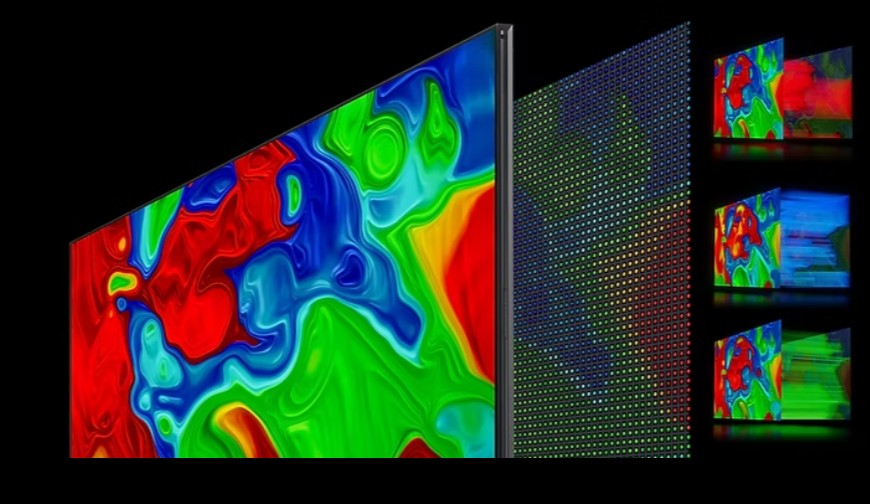
Samsung and Hisense have officially launched the next major war in the global TV market, with both brands aggressively pushing competing RGB LED technologies that could redefine premium television performance in 2026.
Last week the two electronics giants rolled out global engineers and display specialists in a direct battle for dominance, each determined to convince Australian media and retailers that their version of RGB technology is the future of television.
At the centre of the fight is one critical question. Who is genuinely advancing display technology and who is simply packaging RGB branding more effectively for consumers?
The answer could determine which brand dominates the next phase of the premium TV market as OLED technology comes under increasing pressure from a new generation of ultra bright RGB LED displays.
Samsung’s latest RGB LED televisions delivered a noticeably brighter and more refined image compared with the company’s 2025 range during demonstrations held for Australian media. Engineers flown in from South Korea showcased detailed technical comparisons highlighting major gains in brightness, colour management and processing power.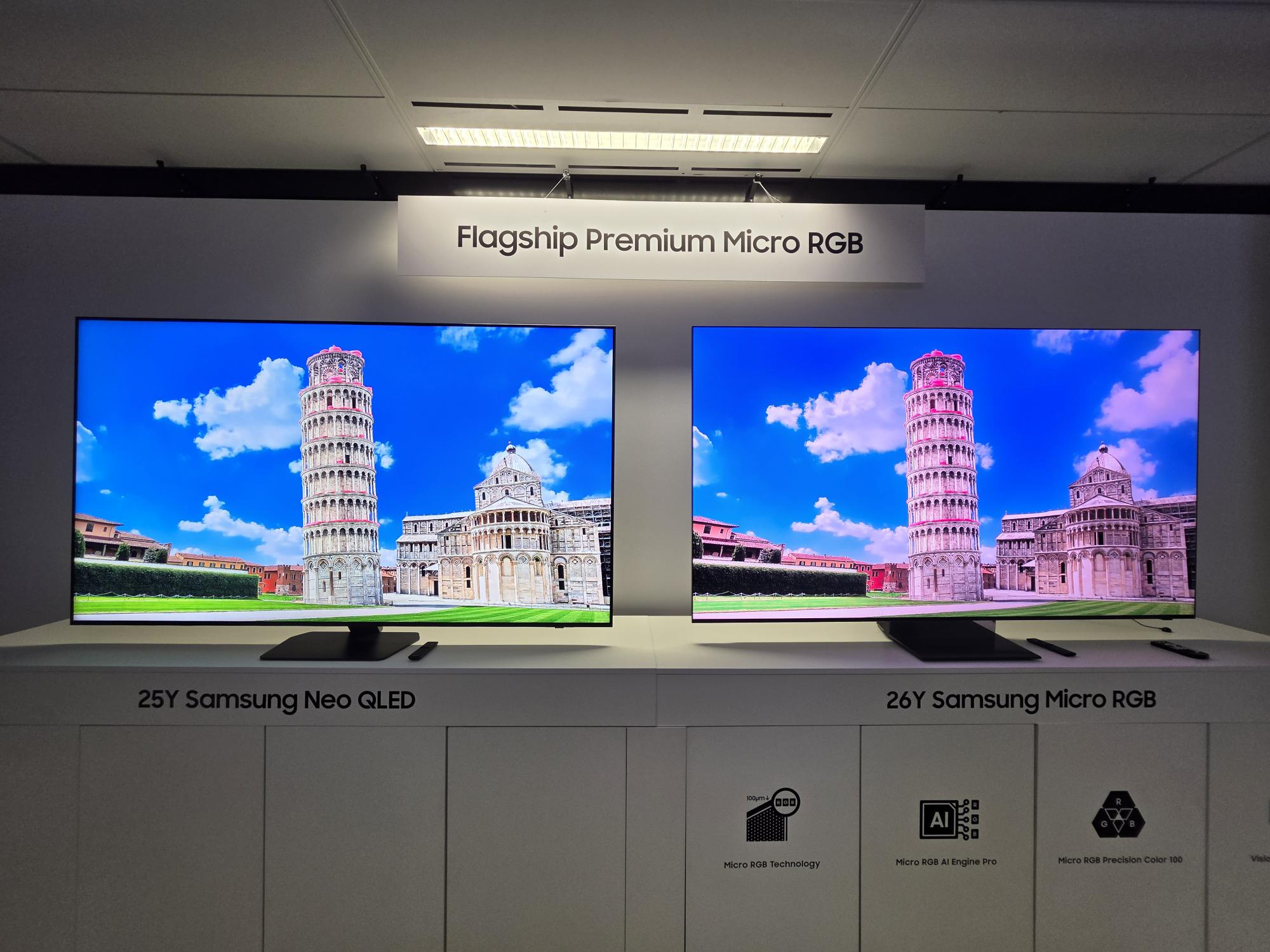
However, Samsung refused to allow journalists to photograph technical specification slides used during the demonstrations, offering no explanation for the restriction, with their PR people hyperventilating when I tried to photograph one of the presentations that were full of claimed difference in their 2026 RGB TV offering.
What is becoming increasingly clear is that Samsung and Hisense may both be using the term “RGB”, but the technologies behind the branding are fundamentally different.
Hisense is taking a brute force approach centred on RGB MiniLED backlighting with increasingly aggressive local dimming systems designed to produce explosive HDR performance, extreme brightness and highly saturated colour.
Its flagship UR9 and massive 116UXS televisions replace conventional white or blue LED backlights with dedicated red, green and blue light emitters, delivering a dramatic increase in colour intensity and screen impact.
Samsung’s strategy is significantly different.
The Korean giant is focusing on what it describes as Micro RGB technology, combining refined light control with advanced AI image processing, superior motion handling and improved anti glare screen technology.
The result is a television designed to deliver a cleaner, more balanced and more accurate image rather than simply overwhelming viewers with brightness.
The contrast between the two companies could not be clearer.
Hisense is positioning itself as the brand delivering maximum visual performance per dollar, while Samsung is reinforcing its dominance in the premium television market through processing power, industrial design and picture refinement.
In many respects the battle can be summed up as raw power versus precision engineering.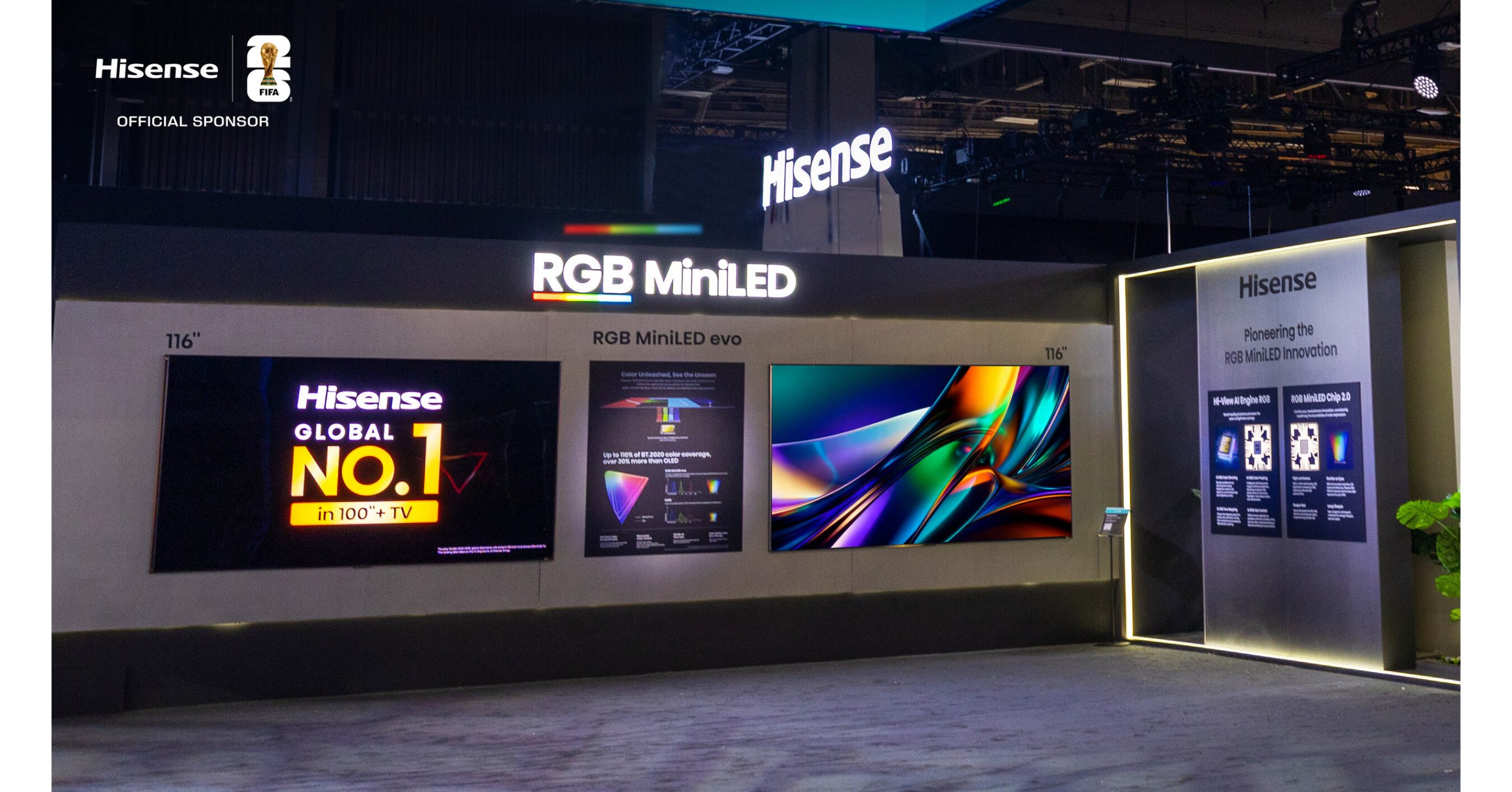
Hisense televisions are producing extraordinarily high peak brightness levels and massive dimming zone counts, delivering aggressive HDR performance that often rivals OLED technology at a significantly lower price point. The company is also heavily promoting its push toward full BT.2020 colour coverage with extreme saturation levels designed to create immediate visual impact.
Samsung, however, still appears to maintain an advantage in several critical performance areas including motion consistency, dimming control, image accuracy and natural skin tone reproduction.
Its AI processing stack, combined with advanced anti reflection technology, represents a major leap over the company’s 2025 televisions and reinforces Samsung’s reputation for producing highly polished premium displays.
What makes the battle particularly significant is how close Hisense RGB MiniLED technology is now getting to OLED performance, especially when compared with expensive LG OLED televisions that continue to command premium pricing.
For consumers the decision may ultimately come down to what matters most.
Those wanting explosive brightness, dramatic HDR and maximum screen impact may gravitate toward Hisense. Buyers prioritising image accuracy, refinement and premium processing are more likely to remain with Samsung’s RGB LED offering.
Either way the television market has entered a new phase.
After years of OLED versus MiniLED, 2026 is rapidly shaping up as the year RGB backlighting became the next major battleground in the global display industry.