Watchmaker Garmin Brags It Has “Redefined” Hi-Fi, But Audiophiles Aren’t Sold
 David Richards
07 May 2026
David Richards
07 May 2026
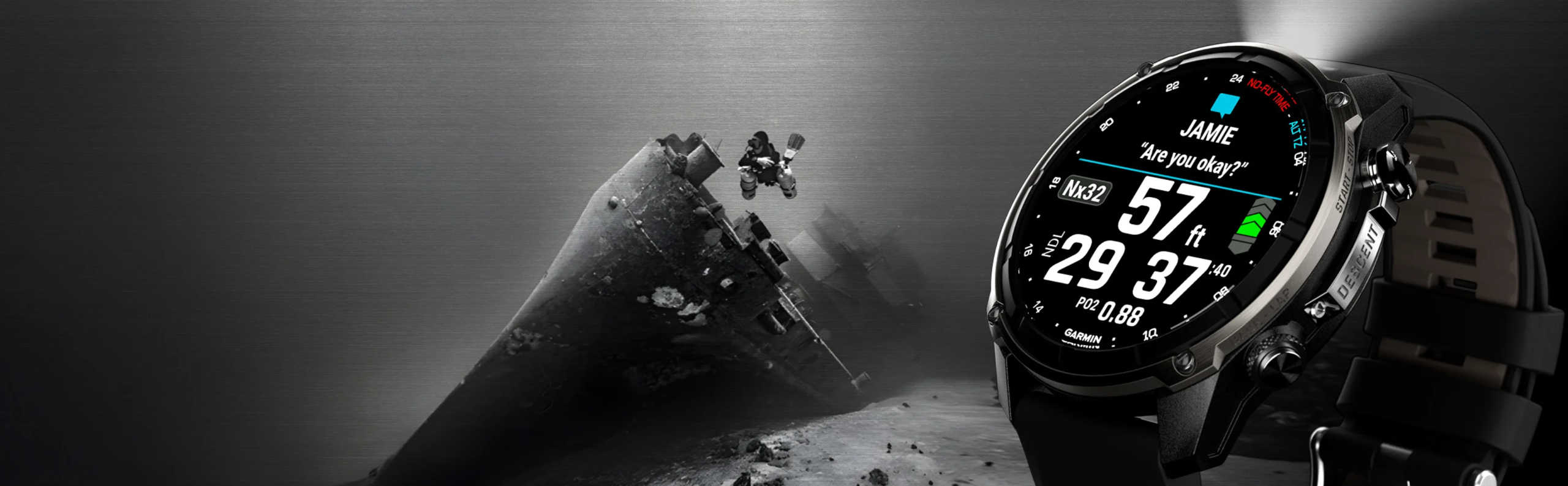
The GPS and fitness-tracker giant has launched a $124,000 speaker system under its acquired JL Audio brand, staking a brazen claim in one of the world’s most unforgiving markets, with zero pedigree to back it up.
Questions are also being asked as to whether any audio distributor will take the brand on in Australia as most specialist Hi Fi dealers are currently struggling to stay operational as a younger audience move away from expensive over priced Hi Fi systems.
Garmin, the company best known for smartwatches, satnavs, and marine gear, has marched into the fiercely competitive world of luxury home audio, loudly declaring it has “redefined high-end audio.” The claim is as audacious as the price tag attached to it.
The new JL Audio Primacy system, unveiled last night, features floor-standing speakers priced at a staggering AU$124,000 per pair, with a centrepiece component adding another $21,000 and stand-mount speakers coming in at $50,000 a pair. For a company with no established hi-fi track record, the numbers are as jaw-dropping as the boast.
JL Audio Primacy, Pricing (AUD)
T6 floor-standing speakers
$124,000 / pair
Centrepiece component
$21,000
Stand-mount speakers
$50,000 / pair
It is a pattern that will be familiar to those who follow the audio industry. Hearing-aid giant Sonova bought into Sennheiser. Medical device company Masimo, known to some as the firm that briefly acquired Joe Biden’s attention during a product-placement scandal, made similar overtures into hi-fi. Both discovered, painfully, that prestige audio is an industry that eats overconfident newcomers alive.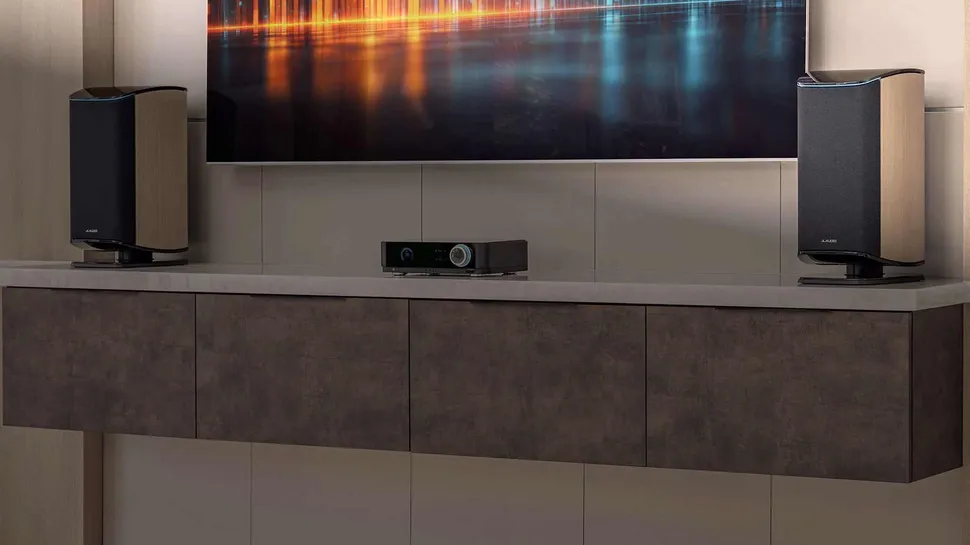
Garmin’s play is built on its 2023 acquisition of JL Audio, a brand respected in marine and automotive subwoofer circles. The Primacy system leans on that heritage with technically impressive specifications: active loudspeakers with one amplifier per driver section, a networked streamer and preamplifier, 32-bit/192kHz DSP processing, and a proprietary room-optimisation system dubbed P.A.R.O. (Primacy Automatic Room Optimization). Streaming support covers Qobuz, Roon, Apple AirPlay, and Tidal Connect.
“Garmin, yes Garmin, has launched a premium home sound system with a neat trick up its sleeve.”
That was the hedged verdict of one audio publication, which noted the technology was interesting but pointed out that at these prices, Garmin’s claim to redefine the category “had better prove out under scrutiny from experienced reviewers.”
The sentiment is widely shared. Hi-fi reviewers are famously exacting, and no amount of DSP wizardry inoculates a brand against a bad listening test.
Garmin itself is hardly hurting for cash. T
he company closed 2025 with record revenue of US$7.25 billion and has continued its run in 2026, posting a 14% year-on-year revenue rise to US$1.75 billion in Q1 alone. It can afford to take a swing.
Q1 2026 Revenue: $1.75B +14% year-on-year 2025 full year $7.25B record consolidated revenue.
Operating income came in at $432M for Q1 2026.
But as they say, financial muscle is not the same as credibility.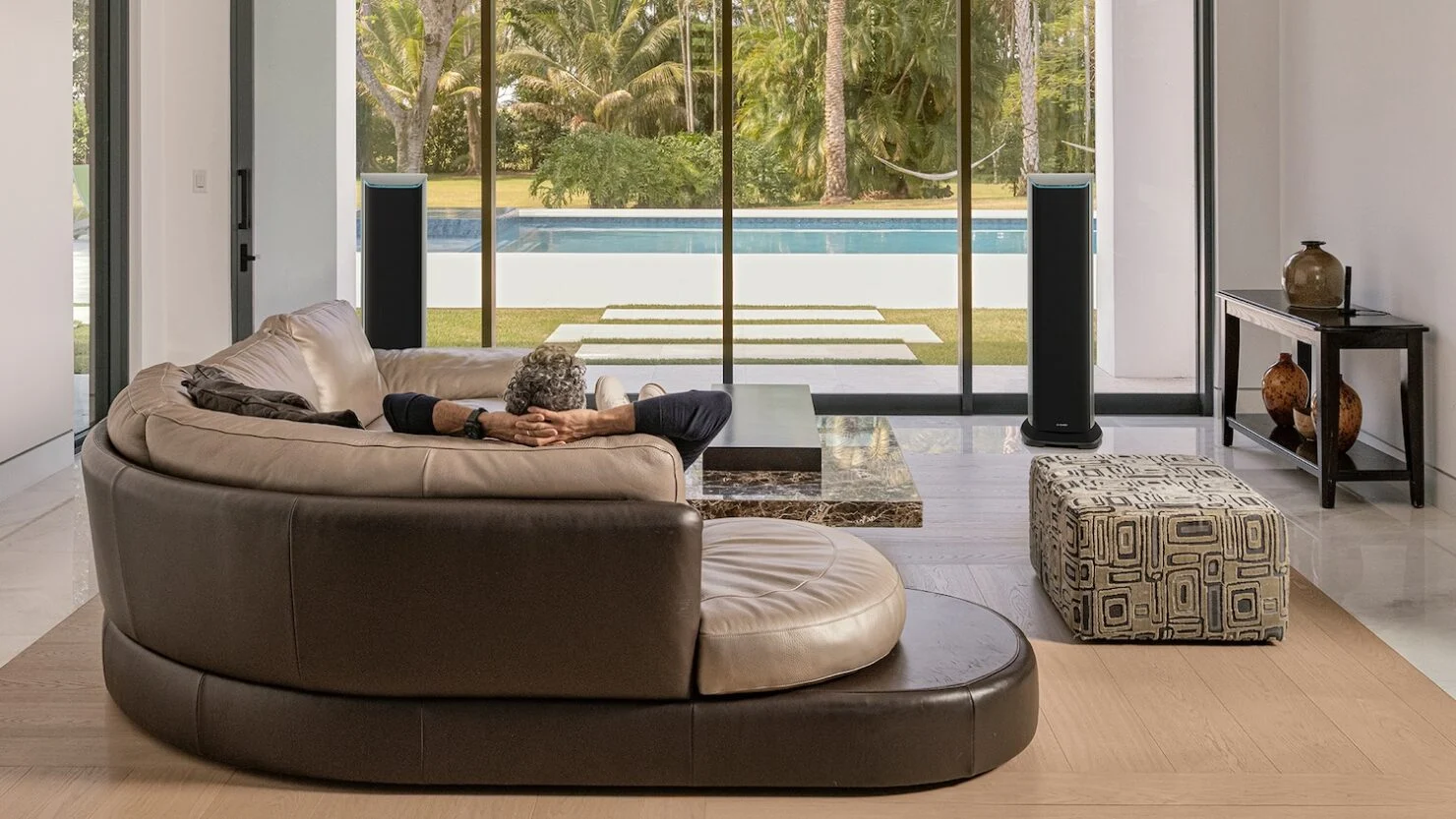
Garmin’s outdoor and smartwatch segment, the very products it is best known for, saw revenue dip 5% to $418 million in Q1 2026, a reminder that even core categories can falter.
Analysts at Morgan Stanley and Barclays have trimmed their price targets for the stock following Q1 results, and neither firm has made much of Garmin’s surprise hi-fi foray.
The promise of “extraordinary sound performance tuned precisely to each listener’s space” has yet to be heard by anyone outside Garmin’s own walls. Until it is, the hi-fi world, one that has humbled far more experienced players, will remain cautiously, sceptically watching.
Bottom line
Garmin has the technology, the financial firepower, and an acquired brand with genuine automotive-audio credentials. What it does not yet have is a track record in home hi-fi, or a single review from a picky audiophile. At $124,000 a pair, that gap matters enormously.
They also lack a PR Communication presence in Australia with the Company failing to offer reviews of their products.