Valve Casts Doubt Over 2026 Steam Machine Launch Amid Global Memory Shortage
 Joe Gallop
09 Mar 2026
Joe Gallop
09 Mar 2026
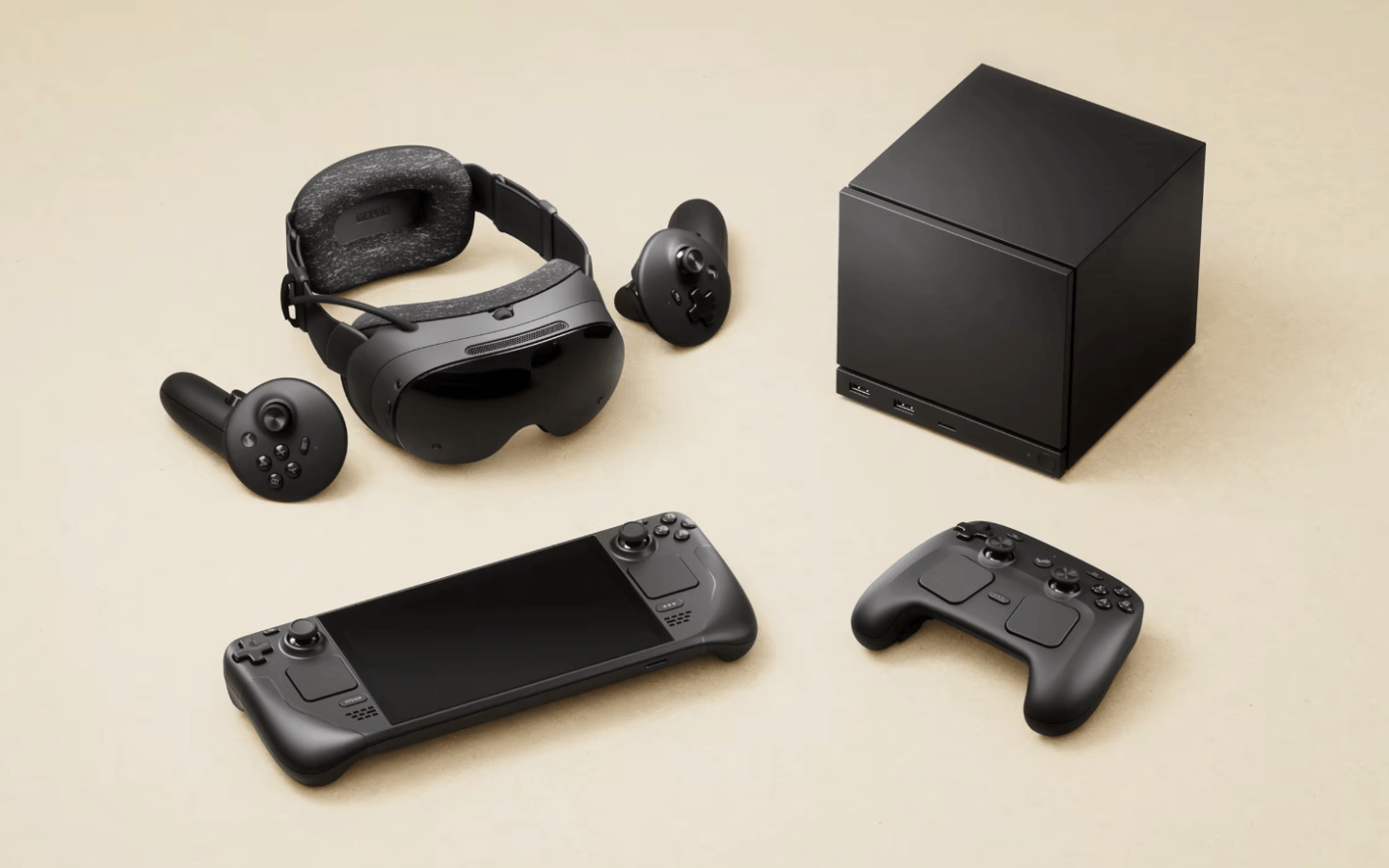
Valve has indicated that the launch timing of its new Steam Machine gaming hardware is becoming increasingly uncertain as global shortages of memory and storage components continue to disrupt the tech industry.
The company acknowledged the ongoing supply constraints and said it now only “hopes to ship in 2026” rather than committing to a specific window.
The wording marks a notable shift from earlier guidance that pointed to a launch in the first half of 2026.
The upcoming hardware lineup includes the Steam Machine console-style PC, the Steam Frame VR headset and a redesigned Steam Controller.
Valve had previously indicated it expected to reveal firm pricing and launch details by now, but rapidly rising costs for key components such as RAM and SSD storage have forced the company to reassess its plans.
The company later clarified that its goal remains to ship all three products in 2026 but stopped short of providing a clearer timeline.
The shift highlights the growing impact of the global memory shortage, which has been driven partly by soaring demand from AI data centres competing for the same chips used in consumer electronics.
Industry analysts have warned the RAM shortage could significantly reshape the PC market, pushing hardware prices higher across the board. PC makers including HP have already flagged memory as accounting for a growing share of system costs.

Valve is also dealing with component constraints affecting existing products. Supplies of the Steam Deck OLED have been tight in recent months due to difficulties sourcing memory.
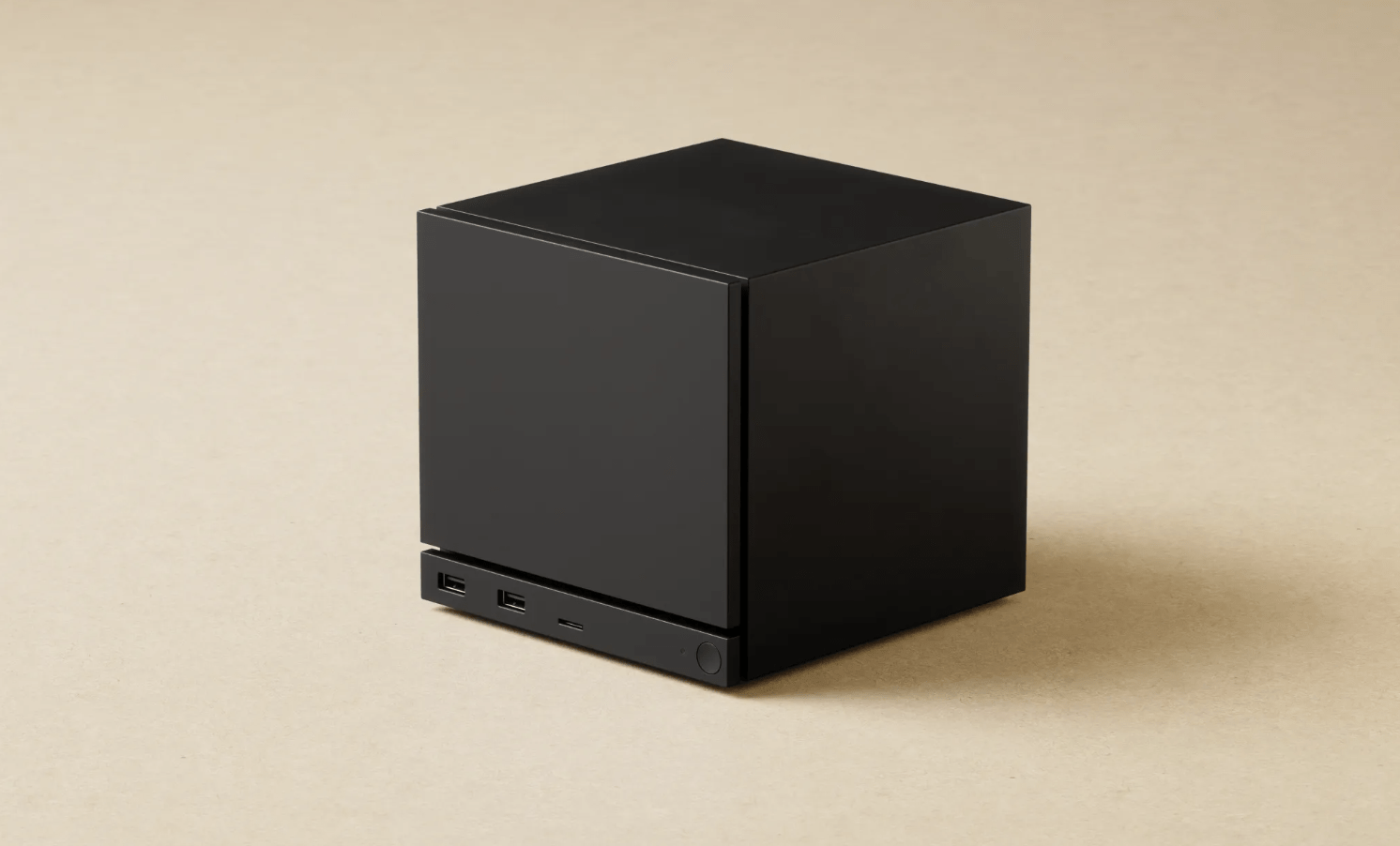
The Steam Machine, first revealed in November, is a compact, console-style gaming PC designed to bring the company’s Steam platform directly to the living room.
Running the Linux-based SteamOS, the system is expected to deliver roughly six times the performance of the Steam Deck and support 4K gaming at 60fps using AMD hardware.
Valve has opted against traditional console-style subsidies and instead plans to price the Steam Machine closer to a comparable self-built gaming PC. Rising component costs mean the final price remains unclear.