Meta Sued Over Privacy Claims Linked To AI Smart Glasses Data Review
 April Ossington
09 Mar 2026
April Ossington
09 Mar 2026
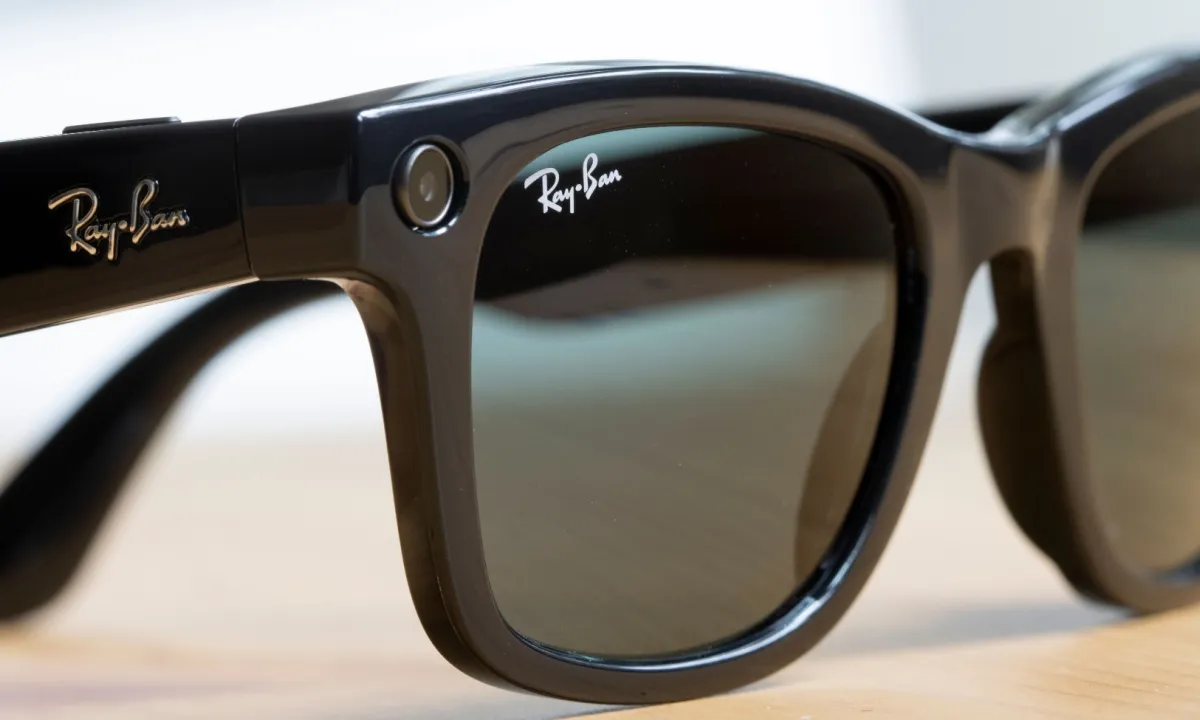
Two owners of Meta’s AI-enabled smart glasses have launched legal action against the company, accusing it of misleading customers with claims that the device was created with privacy in mind.
The complaint, filed in federal court in San Francisco on Thursday, argues that Meta promoted the glasses as a product built to protect users’ privacy while allegedly allowing captured footage to be reviewed by human contractors overseas.
According to the lawsuit, when the glasses’ artificial intelligence features are used, video and images recorded by the device are transmitted to Meta’s servers. The plaintiffs claim this material is then sent to a subcontractor based in Kenya, where large teams of workers view and label the footage in order to train Meta’s AI systems.
The legal case cites a report published by a Swedish newspaper last month, which alleged that thousands of contractors were involved in reviewing and categorising visual data collected through Meta’s AI technologies.
In their filing, the two customers argue that Meta’s marketing gave the impression that the glasses prioritise personal privacy. They say that by promoting the product as “designed for privacy”, the company had a responsibility to reveal any practices that could influence a buyer’s decision.
The plaintiffs claim that consumers were not informed that footage captured during everyday use of the glasses might be examined by workers located in another country. They argue that most buyers would not expect strangers to potentially view recordings of private moments from their daily lives.
The case has been brought by two individuals, one based in California and the other in New Jersey, who are seeking to represent a wider group of purchasers across the United States through a class action lawsuit.
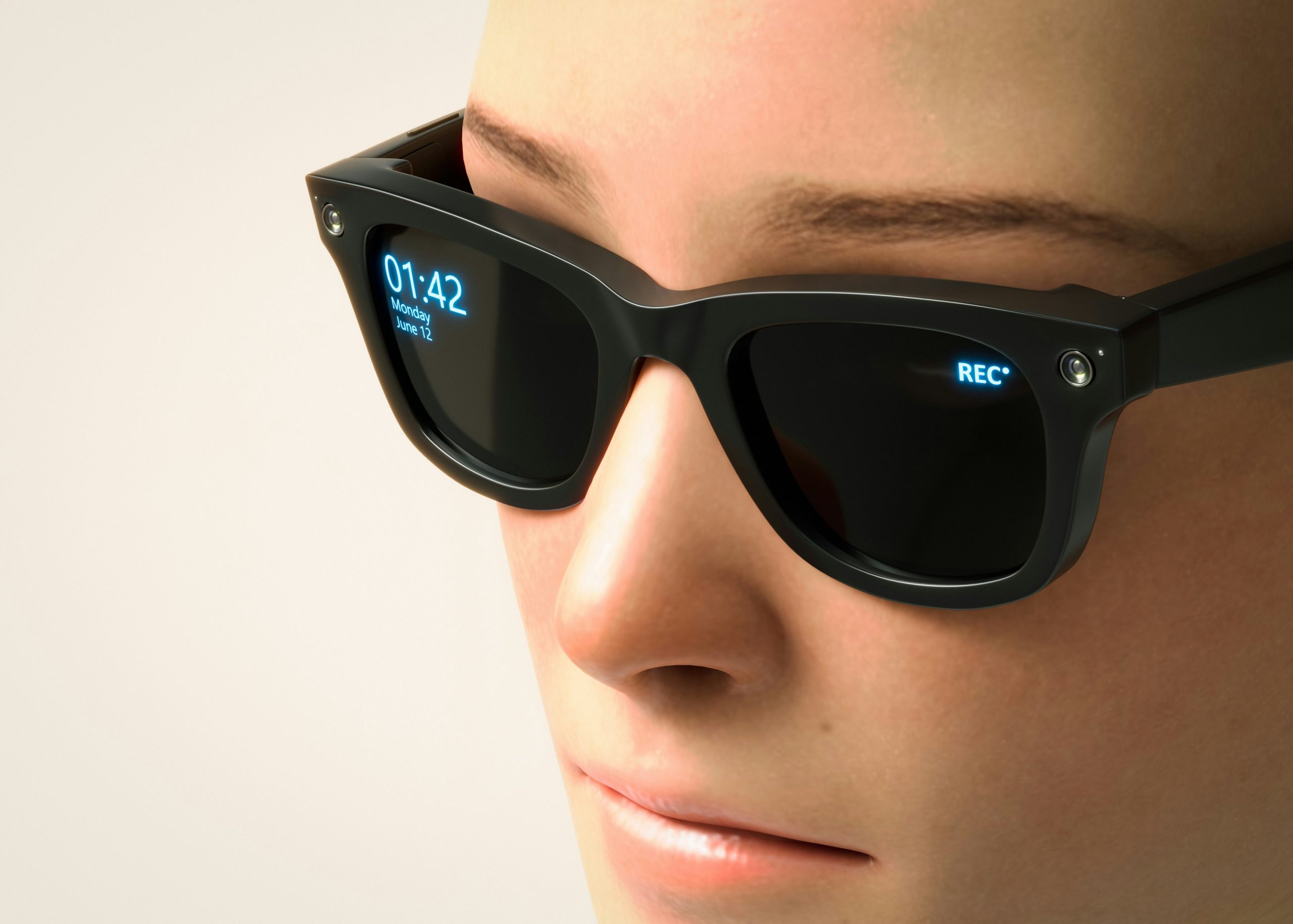
Meta’s smart glasses are sold under Ray-Ban and Oakley branding and include a built-in AI assistant designed to respond to voice commands. The technology allows users to translate foreign text instantly, identify objects and landmarks, receive directions, send messages and place calls.

The glasses also include a camera that enables hands-free photography and video recording. Users can capture clips of up to three minutes or stream first-person video directly to Facebook and Instagram.
The lawsuit argues that these features depend on sending visual data from the glasses to Meta’s cloud systems. There, the footage can be analysed using tools such as image recognition, location information and other contextual signals before being stored and used to refine the company’s AI models.
The plaintiffs claim Meta’s marketing campaign emphasised the idea that users remain in control of their data, describing the device as a privacy-conscious product. They argue that the reported involvement of third-party contractors reviewing footage contradicts that message.
In a statement responding to the lawsuit, a Meta spokesperson said the company was reviewing the claims and could not yet provide detailed comment.
The spokesperson added that Ray-Ban Meta glasses allow people to interact with AI hands-free to obtain information about their surroundings. They said that unless users choose to share captured media with Meta or others, the files remain stored on the device.
The company also acknowledged that in some cases shared content may be reviewed by contractors to help improve the service. According to Meta, safeguards are applied to filter data and reduce the risk of personal details being exposed during this process.
The lawsuit accuses Meta of breaching three California consumer protection laws and seeks both compensatory and punitive damages, although no specific amount has been requested.
The plaintiffs are represented by lawyers from Clarkson Law Firm, based in Malibu, California.