Telstra’s Sprout Brand Flops as Mobile Giant Faces Mounting Pressure on All Fronts
 David Richards
28 May 2026
David Richards
28 May 2026

Layoffs, slowing growth, margin squeeze and a house brand consumers don’t trust are converging into a deepening crisis for Australia’s largest telco.
Telstra is facing a confluence of structural problems across its mobile business, with its struggling Sprout accessories brand emerging as a symbol of strategic drift inside a company now locked in what employees describe as a near-permanent restructuring cycle.
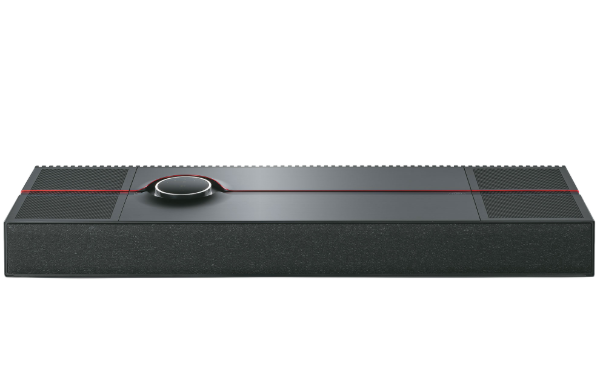
The Sprout brand — marketed by Telstra as a “proudly Australian-designed” tech accessory line — is manufactured in China and is widely regarded within the industry as a non-core play with negligible brand equity. Despite an expanded product range that now includes Qi2 MagSafe-compatible wireless chargers, IP67-rated Bluetooth speakers, and heavy-duty protective cases, Sprout has failed to capture meaningful consumer trust or deliver the commercial growth Telstra anticipated when it moved to cut out established accessories partners.
A survey of Telstra retail stores across Queensland and New South Wales found store staff openly acknowledging that “known brands are better than Sprout” — a damning indictment of a house brand the carrier has continued to push aggressively at the point of sale.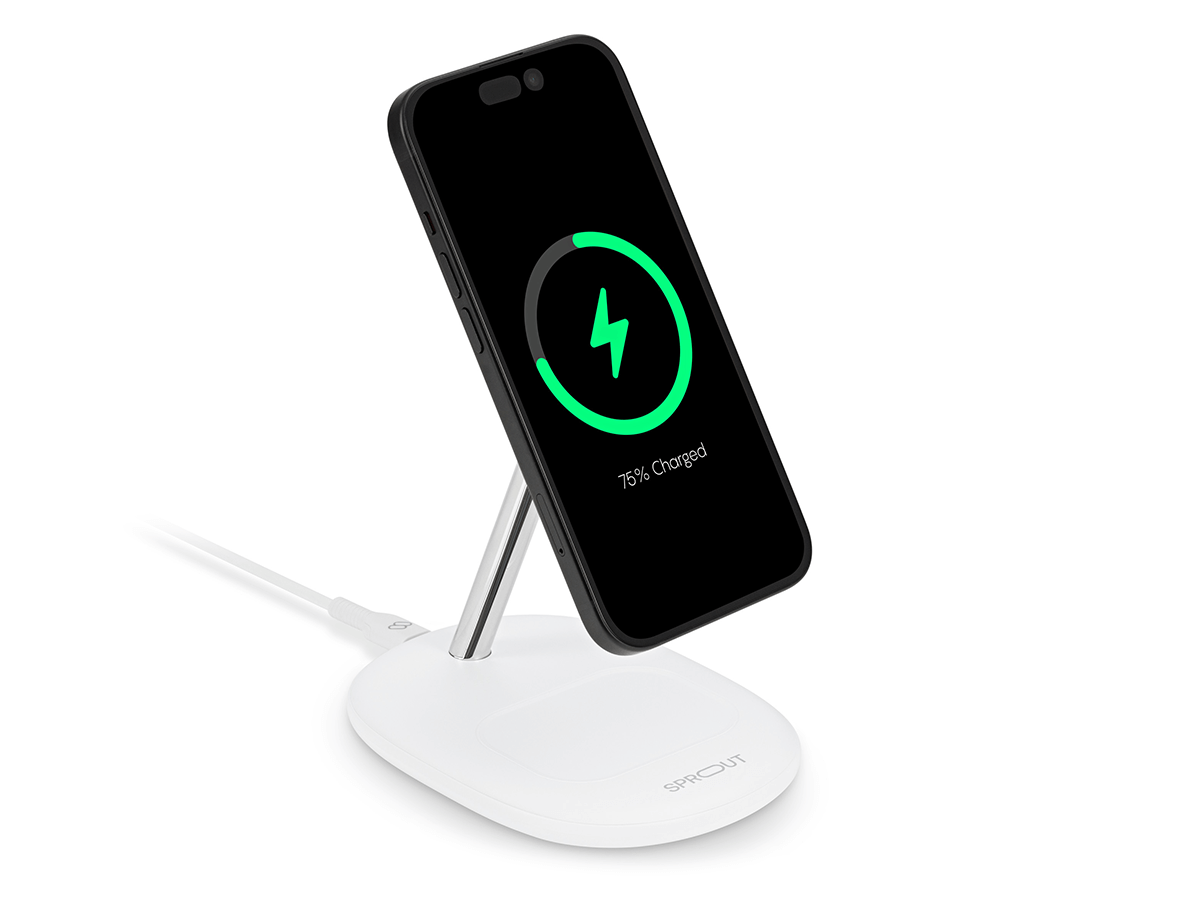
Deceptive Sales Tactics Poison the Brand
The most damaging problem facing Sprout is not product quality — it’s the sales conduct surrounding it. Across consumer forums including Reddit and Whirlpool, thousands of Telstra customers have documented being pressured by retail staff into accepting Sprout cases, power banks and Bluetooth speakers under the representation that the items were “free gifts” or “included in the plan.” Customers subsequently discovered charges of between $5 and $20 per month added to their bills under Accessory Repayment Option (ARO) contracts they had not understood they were signing.
The fallout has been severe. Consumer sentiment in online spaces has hardened, with vocal communities branding Sprout products as “overpriced e-waste” — a label driven not by product failure but by the deceptive bundling and upselling practices used to move stock. Even customers who concede the hardware is functional report that the sales experience has permanently soured their view of the brand.
The decision to use Telstra Plus reward points and interest-free repayment plans to lower the perceived price barrier has done little to rehabilitate Sprout’s reputation, with many customers later concluding they made a purchasing mistake.
The expansion of Sprout at the expense of established partners carrying brands such as JBL, BlueAnt and Beats has attracted pointed criticism. Industry observers question why Telstra pursued a house brand strategy at all given the strength of the third-party brands already available to it.
Mobile Business Under Siege
Sprout’s failure sits within a broader deterioration across Telstra’s mobile business. While Telstra retains the strongest mobile network in Australia, subscriber growth is slowing and margin pressure is intensifying. Analysts say the company’s historic premium pricing advantage is eroding as the gap between Telstra’s network quality and that of competitors continues to narrow.
The competitive landscape has shifted materially. Optus, TPG/Vodafone and a growing number of mobile virtual network operators are capturing price-sensitive customers, while Telstra’s own low-cost brands — Belong and Boost — are cannibalising its higher-margin base. Enterprise and mobile average revenue per user is under sustained pressure.
Infrastructure and spectrum costs remain substantial. The 3G shutdown and 5G rollout are characterised internally as necessary but expensive, and the company continues to carry the financial weight of both programs simultaneously.
Telstra’s loyalty program is also under scrutiny, with sources indicating the scheme is costing the business in excess of $100 million — a figure that is drawing increasing attention from management as the cost-reduction agenda intensifies.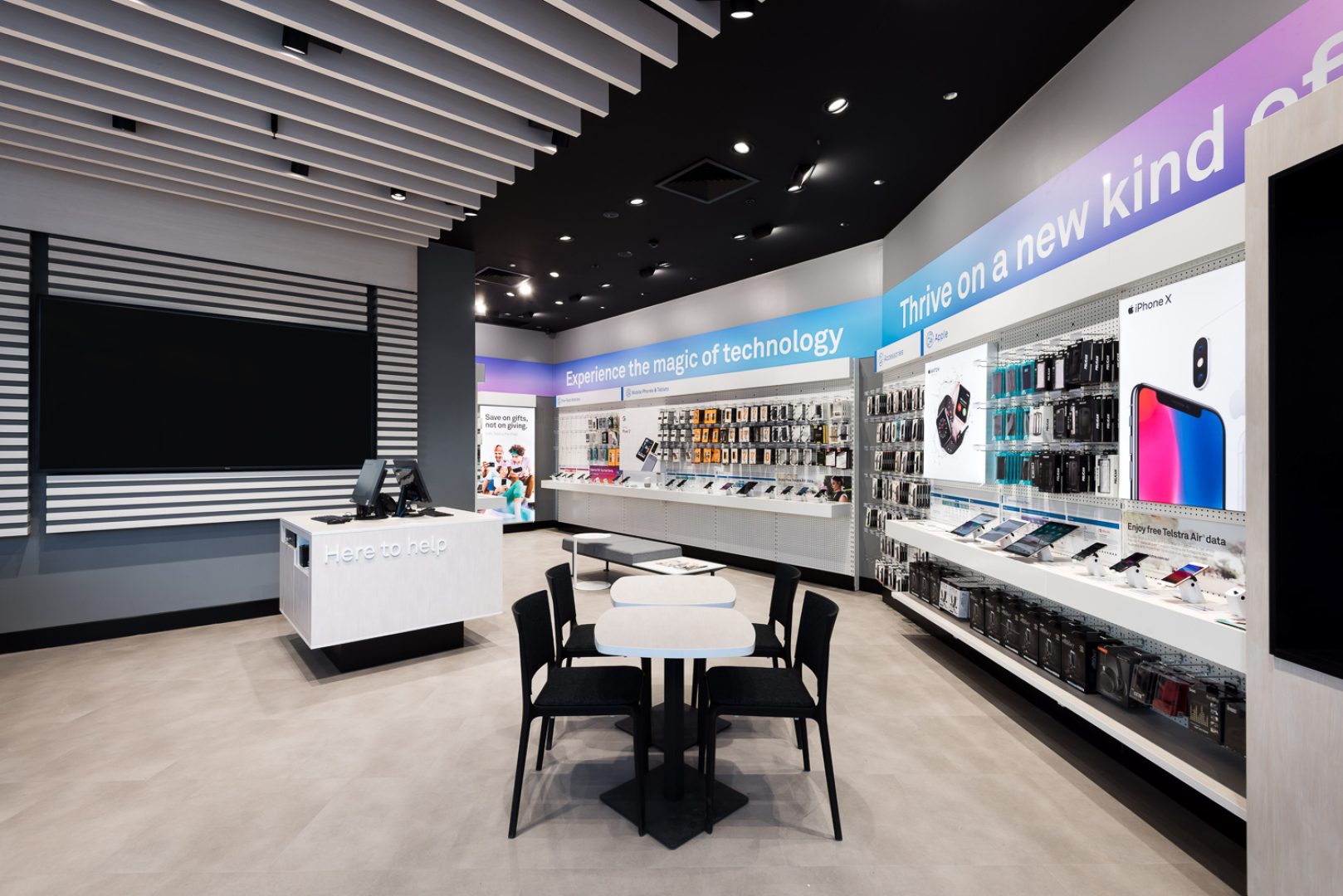
Layoffs Continue as AI Takes the Blame
Against this backdrop, Telstra is again preparing to cut staff — the latest wave in what has become a continuous restructuring cycle. The company has shed 2,800 roles since 2024 tied to its AI and cost-reduction program, followed by 550 further positions in 2025 during an enterprise restructuring. A further 650 roles are understood to be at risk in 2026, linked to outsourcing arrangements including the transfer of operational functions to India-based partners.
Unions and staff representatives have accused Telstra of over-rotating toward offshore outsourcing, arguing the repeated restructures are hollowing out local technical expertise, damaging service capability, and generating a morale crisis across the workforce.
The company’s strategic response to mobile market pressure — leaning into wholesale and MVNO deals, enterprise transformation, AI, automation and offshore support — has done little to settle internal concern about the direction of the business.
Analysts acknowledge Telstra’s core network business remains profitable, but describe growth as increasingly difficult to find. The Sprout accessories range, once floated internally as an incremental revenue opportunity, is no longer regarded by management as a strategic growth engine. What it has become instead is a reputational liability — and for a business already navigating significant structural headwinds, that is a problem it can ill afford.